Fernanda Canales
My House, Your City IQD 84
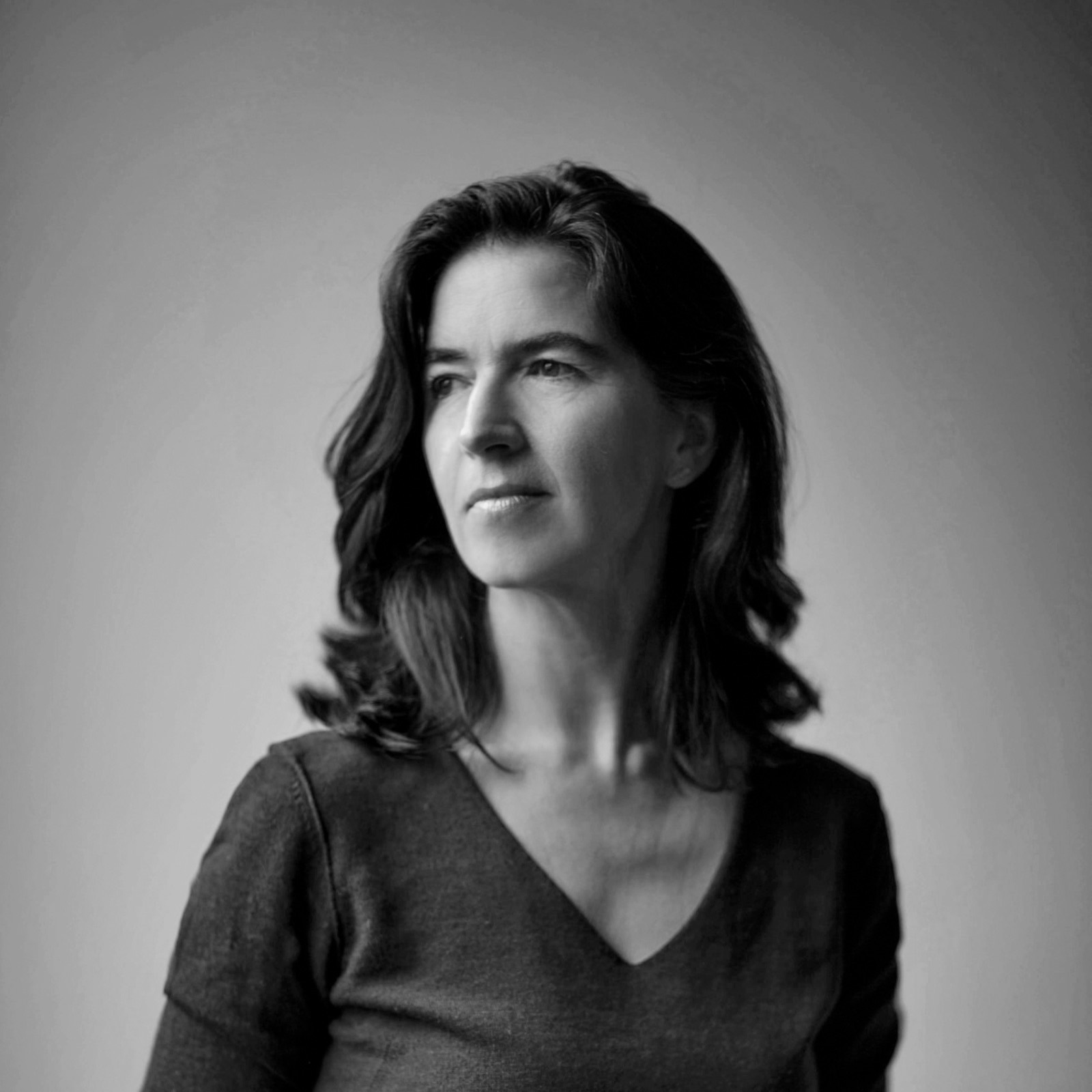
Born in Mexico City in 1974, Fernanda Canales is an important architect, designer, critic, and curator of Mexican architecture.She studied architecture at the Universidad Iberoamericana, graduated in 1997 with honors and won the award for the best thesis. She was awarded by the Mexican Federation of Architects Association for her career and has received numerous awards for projects and publications. She has an MA from the Escuela Técnica Superior de Arquitectura de Barcelona, and a PhD in architecture from the Higher Technical School of Architecture of Madrid.
After graduating, she worked as a professor in the university, in the workshop Max Cetto of the Architecture Faculty in the Universidad Autónoma de México and the CMAS with the UPC. Similarly, she has been teacher in exchange programs with universities such as ETSAB in Barcelona and several workshops in Mexico. She has also been a member of the jury in architectural competitions and has participated in the creation of internationally recognized projects. Some of those projects also include work for charities or contracts. Her most recent projects are in Mexico where she is trying to build equal houses for the misfortunate. Canales’ projects are always concerned with good views and sunlight, no matter the budget. She always tries to include simple materials, natural light, cross-ventilation and with creating a safe space. According to Canales, the only thing that sets social housing apart from private housing, is the low budget. Through all of her projects, she learned that she had to leave the projects open ended because circumstances could change, and therefore the building had to be modified to deal with those circumstances, in other words, be ready for the unexpected. Within the practice as an architect and planner, Fernanda Canales has worked on international offices. In Tokyo, Japan, she worked at the firm Toyoo Itō Architects and Associates and in Barcelona, Spain, she worked at the office of the architect Ignasi de Solà-Morales. In Mexico she became founder of Fernanda Canales, an architectural firm where she works independently. She is an architect of numerous important projects; many of them have been recognized and awarded. Her personal vision towards construction is based on searching what is essential. For the Mexican architecture it is important to meet the customer’s needs and to maintain the relationship between the construction and the environment. For Canales, architecture is an agent of change. Her architectural stance has been reflected in her theoretical proposals; as a result, Fernanda Canales is a recognized author of criticism. In 2005 she published Spaces for Abraham Zabludovsky’S Culture. In 2008 she published Central de Arquitectura, an analysis of the work of young and emerging generations in various fields such as housebuilding, hotel-building and office-building. She is co-author of 100×100 arquitectos del siglo XX en México,[10] a collection of the most important architects in Mexico. In 2014 she published Arquitectura en México 1910–2010. A deep study that explains the development of Mexican modern architecture[11] and is not limited to the study of architecture but linking it to urban planning and design. As museographer, she directed the exhibition Arquitectura en México 1910–2010 in the Palacio de Iturbide in 2014’s spring and summer.[12] Earlier, in 2013 she was curator of Cultura en Construcción, a presentation of the 13th International Exhibition of the Venice Biennale, held the Nave Generadores del Parque Fundidora en Monterrey, N.L.
My House, Your City
Recent transformations in the ways we produce, consume, rest, socialize and pursue leisure demand new definitions of our habitat. There are no borders between where a house ends and where the city begins, or between where we define ourselves as individuals and where we become part of a community. The changing definitions of privacy and new possibilities of sharing open unforeseen potentials for a post-domestic future. A future that can offer better forms of coexistence.