Architecture
Molina de Segura Footbridge: A New Connection Between the City and the River Landscape
Architect:
FVAI ESTRUCTURAS ARQUITECTURAS/Francisco Valiente
Place:
Molina de Segura. Murcia (Spain)
Year:
2024
Photographer:
Milena Villalba and FVAI
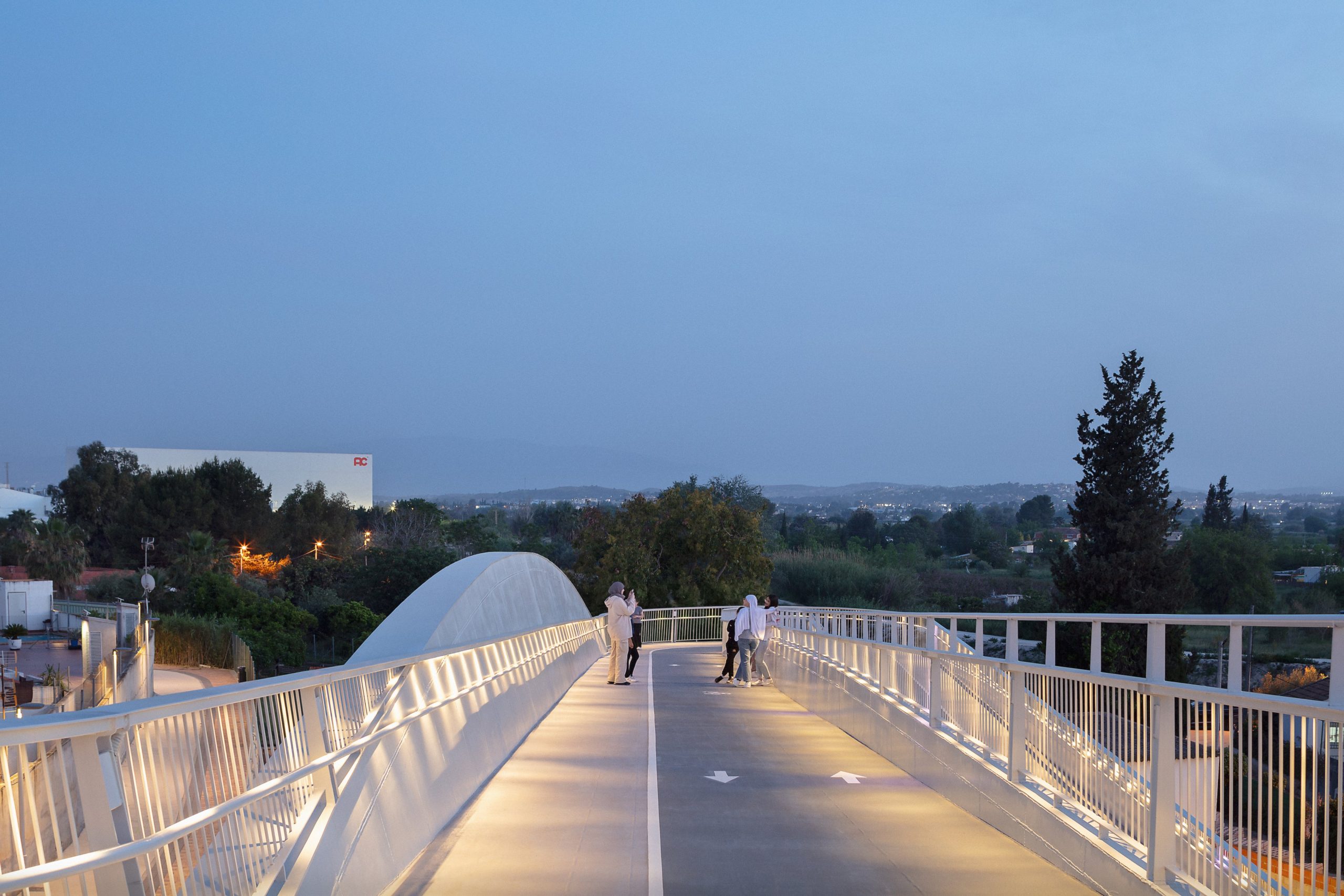
Designed by FVAI ESTRUCTURAS ARQUITECTURAS, the new steel pedestrian and cycle bridge in Molina de Segura reconnects the urban fabric with the natural landscape of the River Segura, creating a new public space and promoting sustainable mobility.
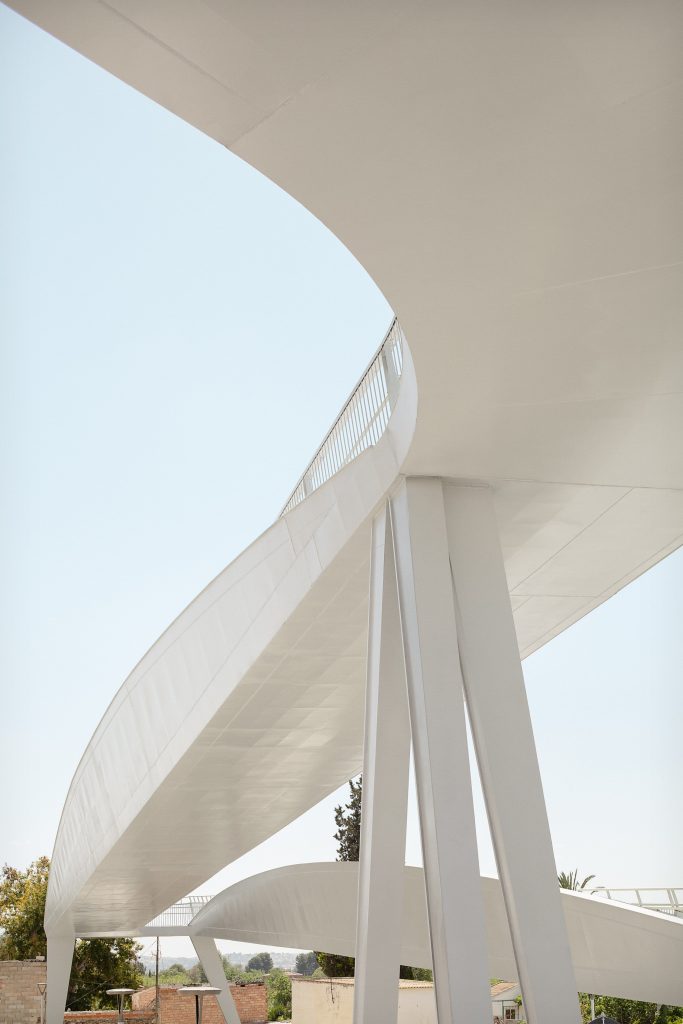
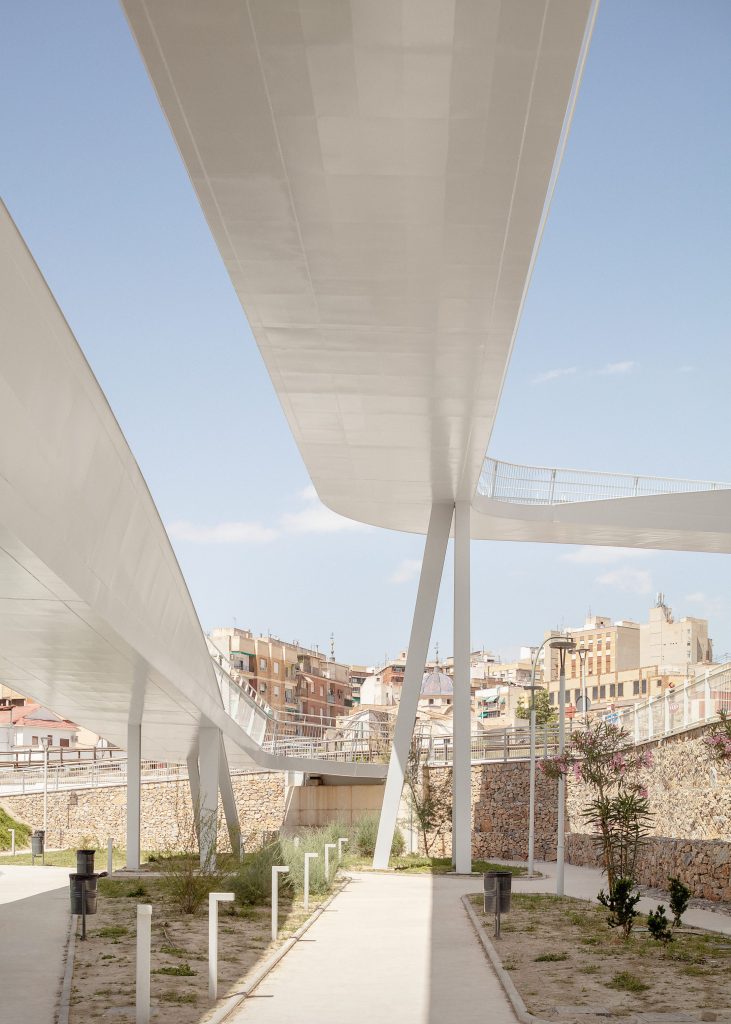
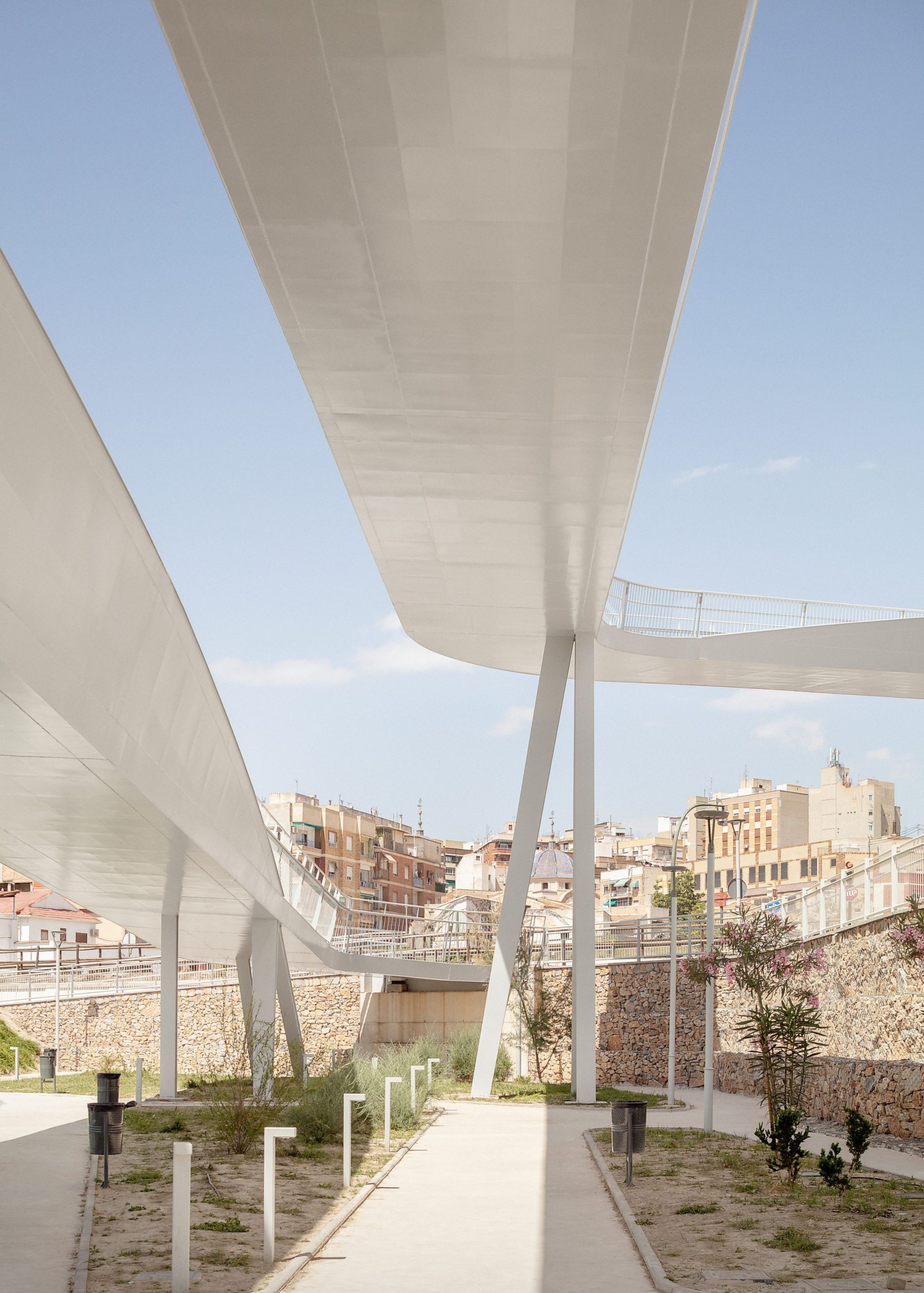
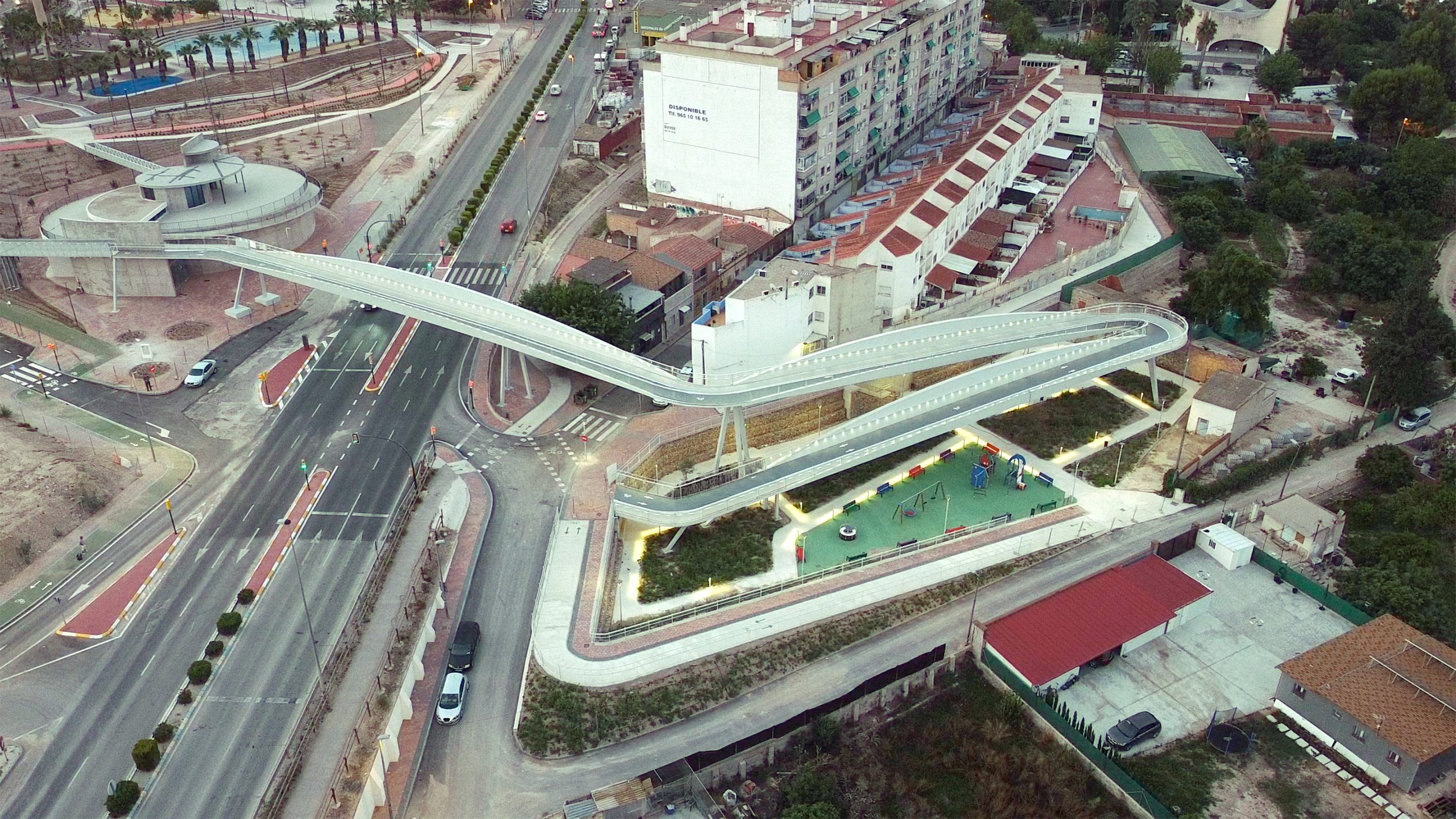
Bringing the urban fabric closer to the natural landscape while transforming an essential infrastructure into an opportunity for urban regeneration: this is the concept behind the new pedestrian and cycle footbridge in Molina de Segura, Spain, designed by FVAI ESTRUCTURAS ARQUITECTURAS. The project connects the town centre with the north-western greenway, establishing a direct relationship with the surrounding market gardens and the banks of the River Segura.
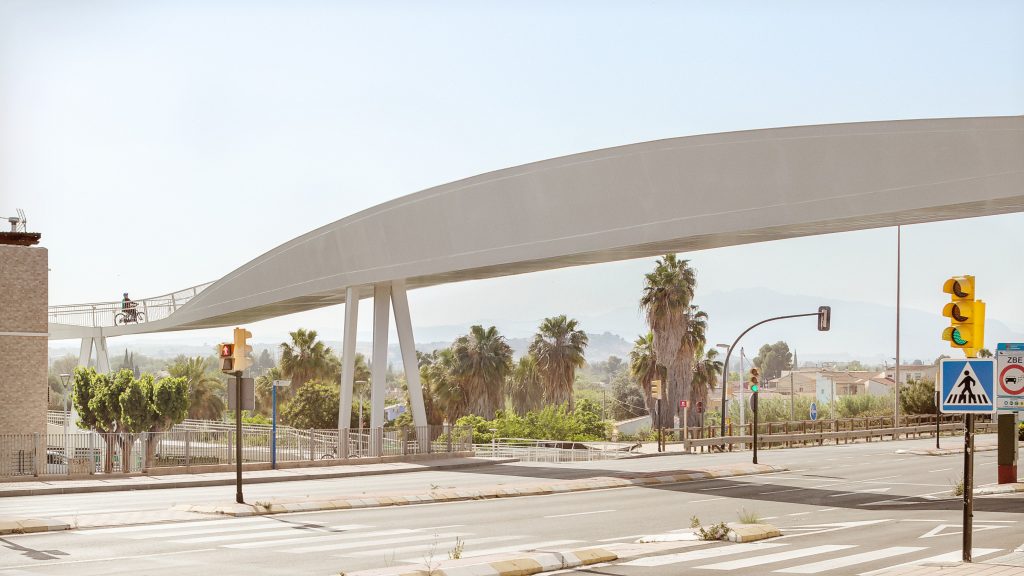
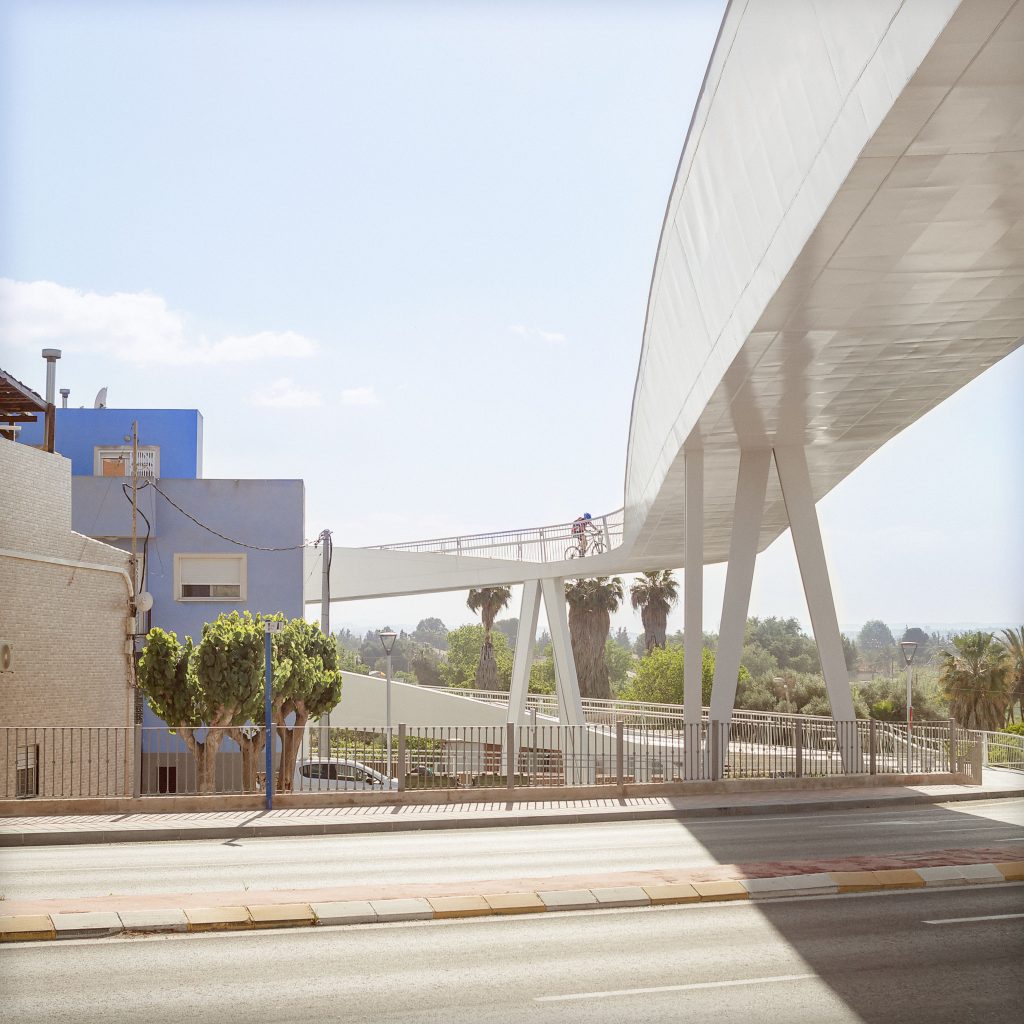
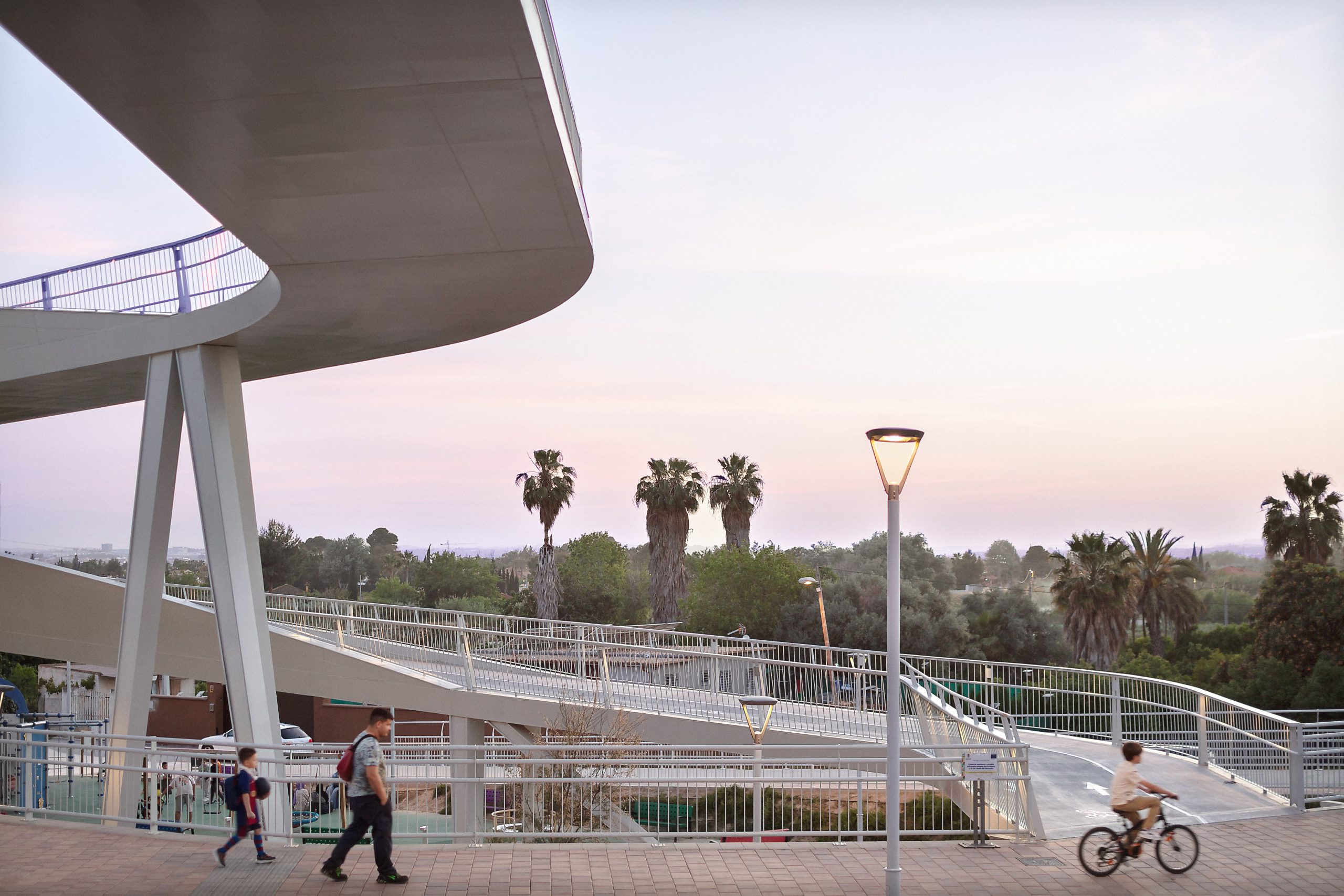
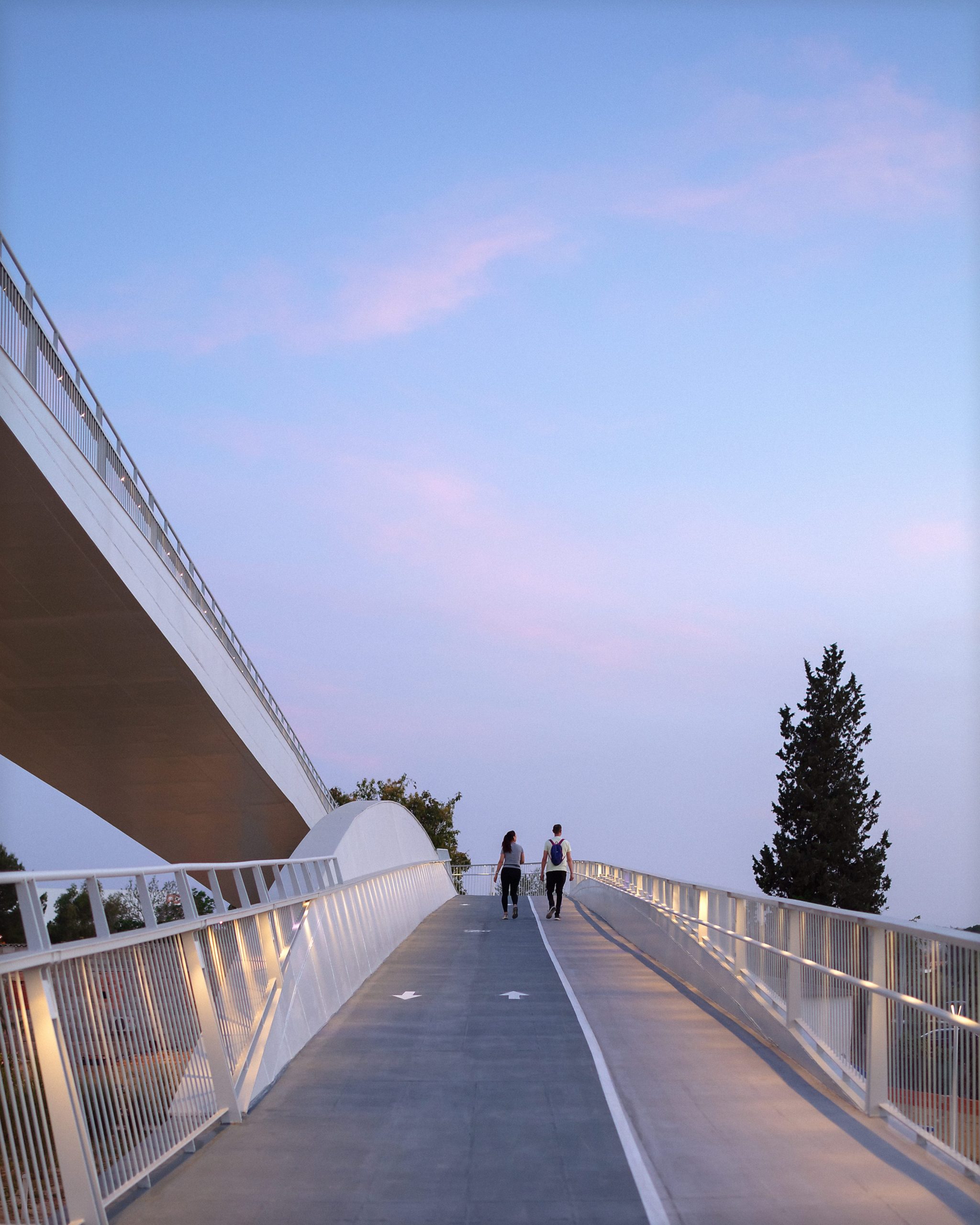
The intervention goes beyond its primary function as a crossing, creating a new public space that encourages interaction between the town and its natural surroundings. The footbridge forms part of a broader urban regeneration strategy aimed at promoting pedestrian and cycle mobility while introducing high-quality green spaces. Located at a strategic junction between the urban fabric and the riverbanks, the project also addresses the convergence of several roads, creating a new urban node that provides the San Roque neighbourhood with additional public spaces and green areas.
A Lightweight Steel Structure
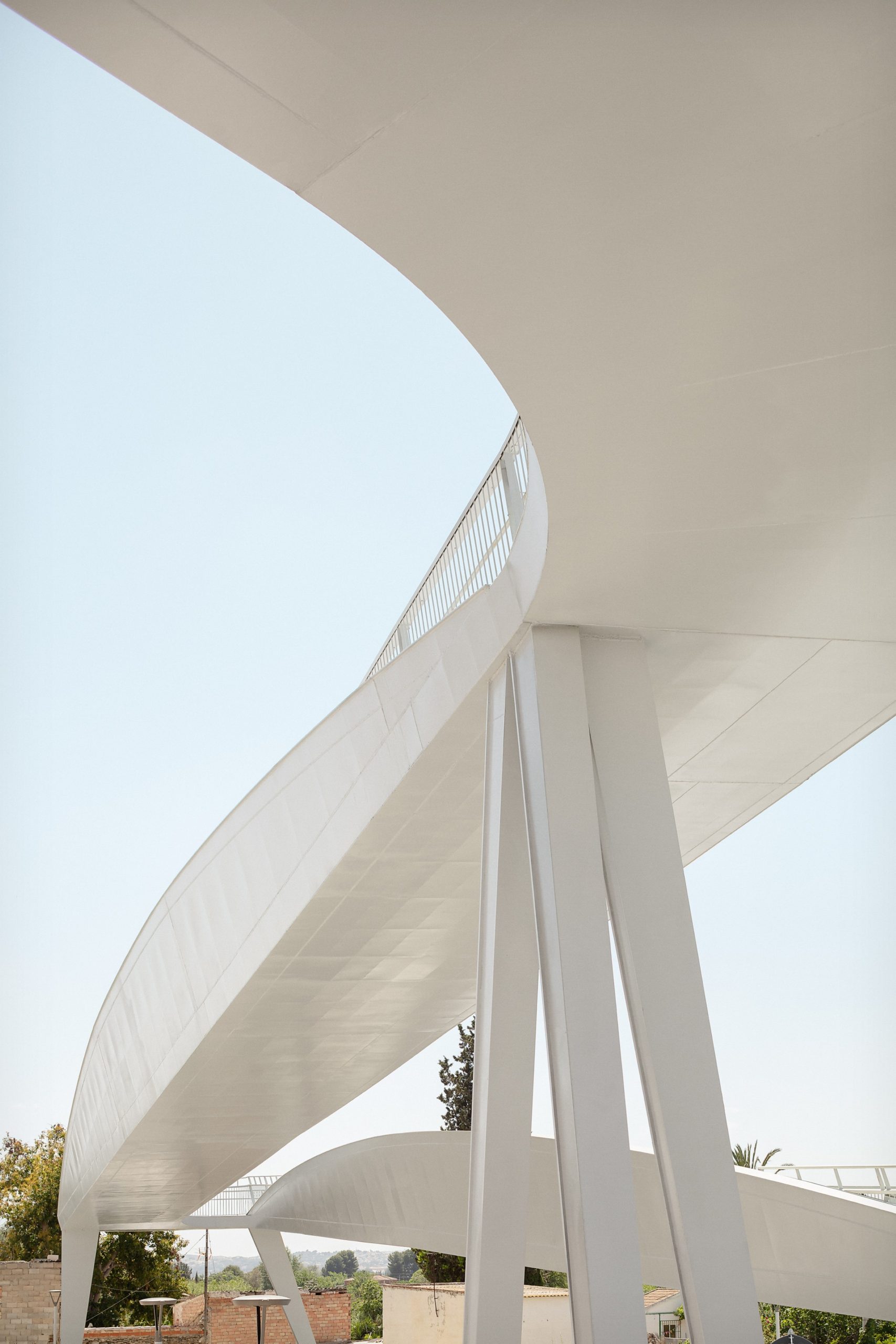
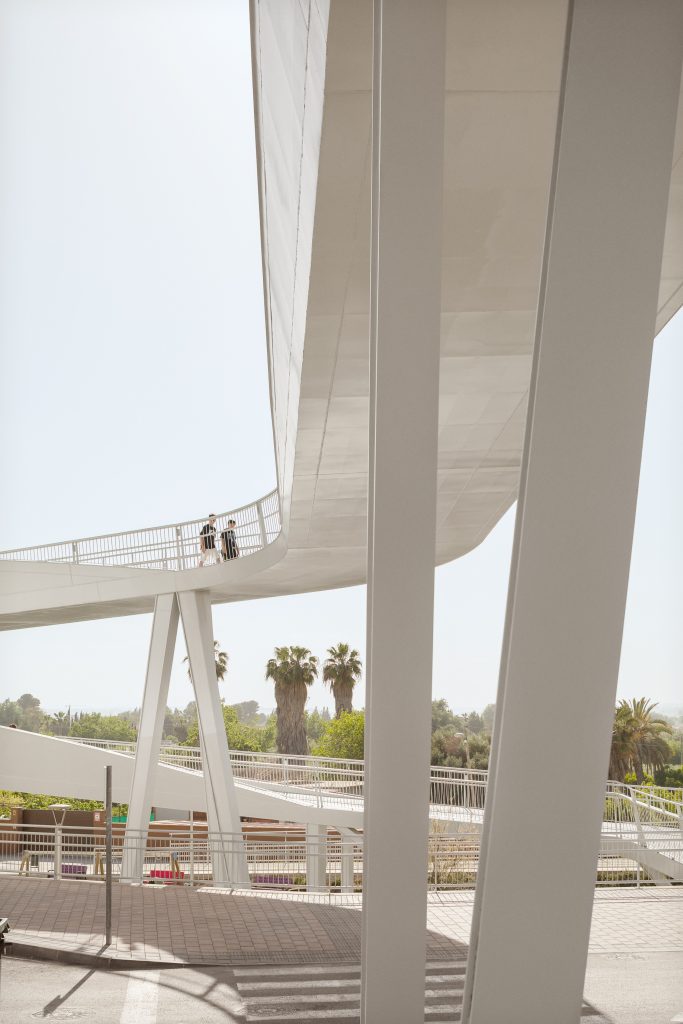
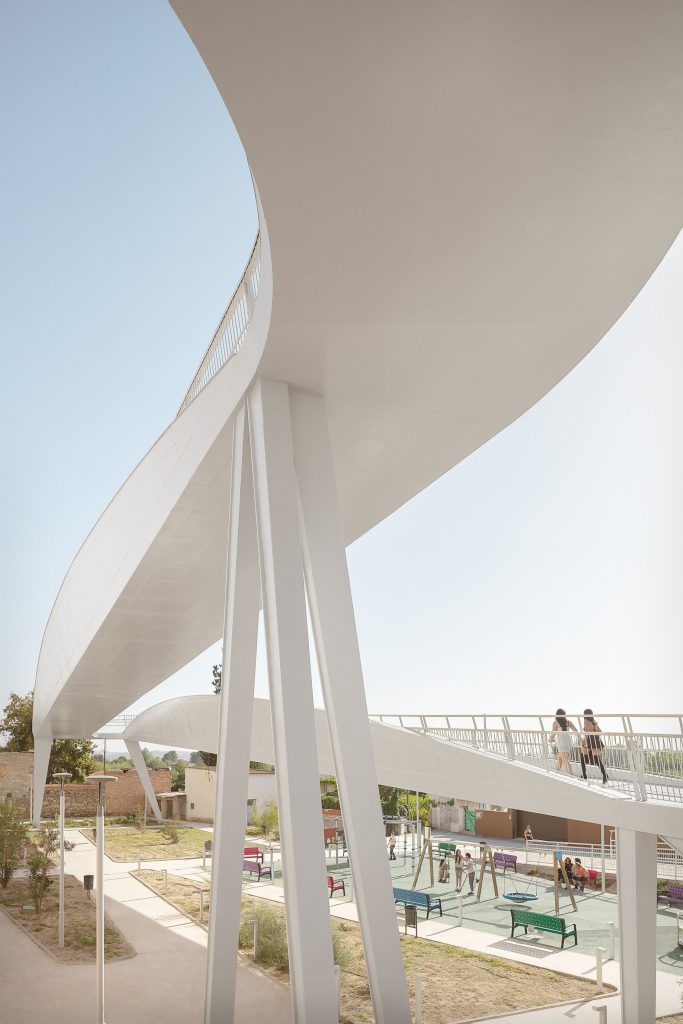
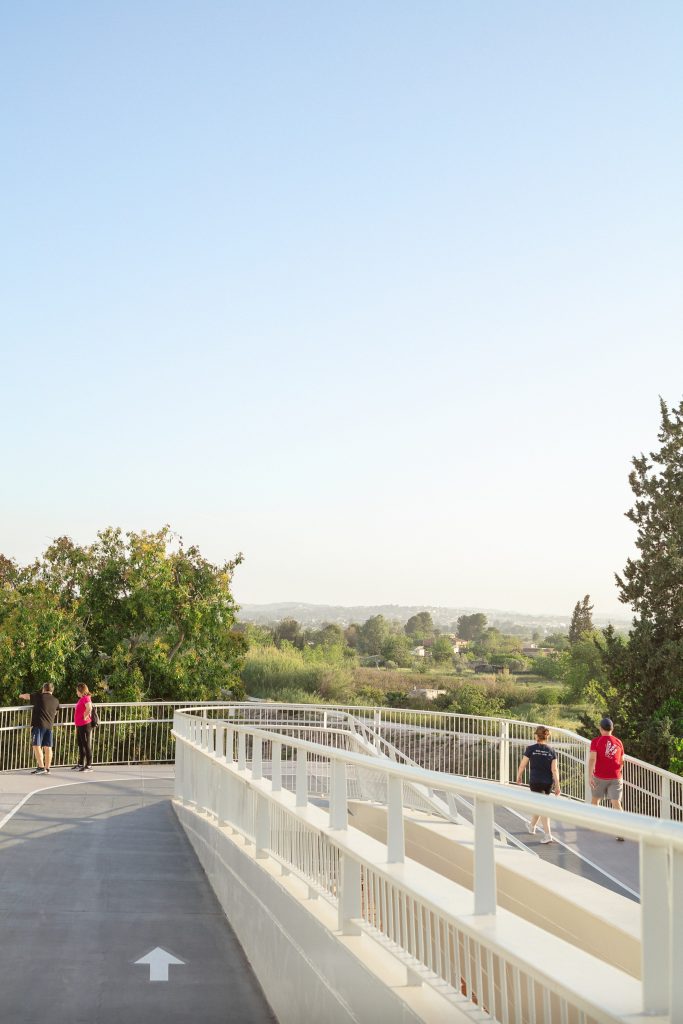
From a structural perspective, the footbridge is conceived as a lightweight and efficient element that makes the most of the structural potential of rolled steel. The design features an entirely metallic orthotropic deck, consisting of upper and lower plates connected by stiffeners, together with a lateral box girder that creates an L-shaped resisting section. This configuration optimises material use while ensuring a high degree of overall stiffness, allowing the deck and girder to work together as a single structural system. The resulting solution seeks a balance between structural performance, construction efficiency and architectural quality, with the geometry itself playing a key role in shaping the spatial experience. The variable cross-section and the orientation of the deck frame views towards the market gardens and the River Segura, reinforcing the dialogue between the structure and its surrounding landscape.
Sustainability and Landscape Integration
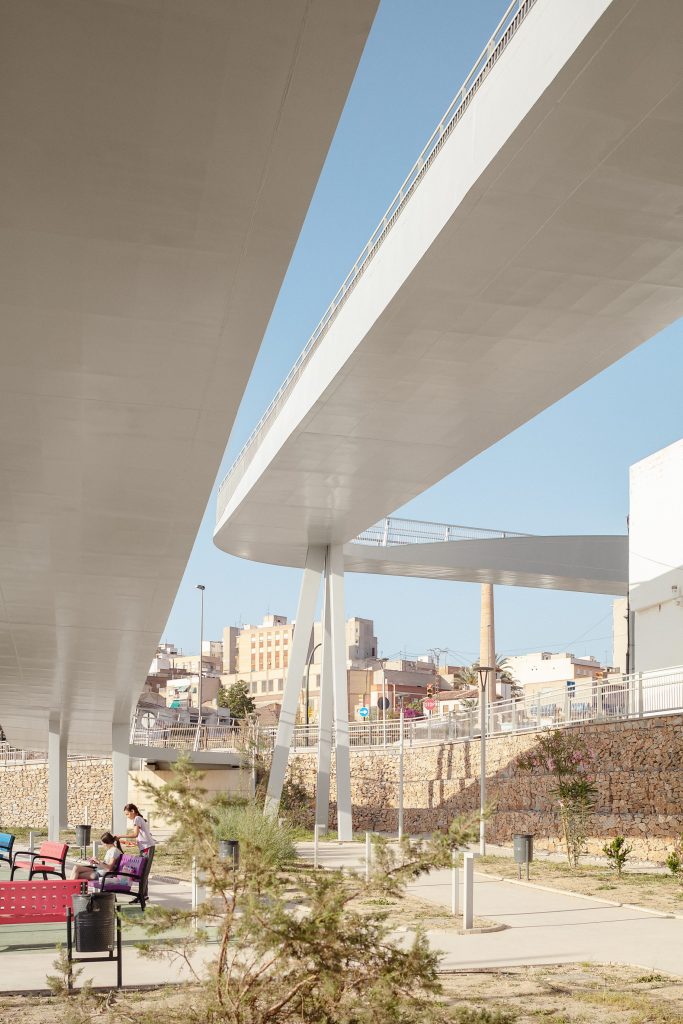
The decision to build the footbridge entirely in steel also reflects specific environmental considerations. Recyclable and reusable, steel offers a long service life and significant potential in terms of sustainability. Furthermore, eliminating concrete from the deck construction avoids the emissions directly associated with this material, helping to reduce the environmental impact of the intervention.
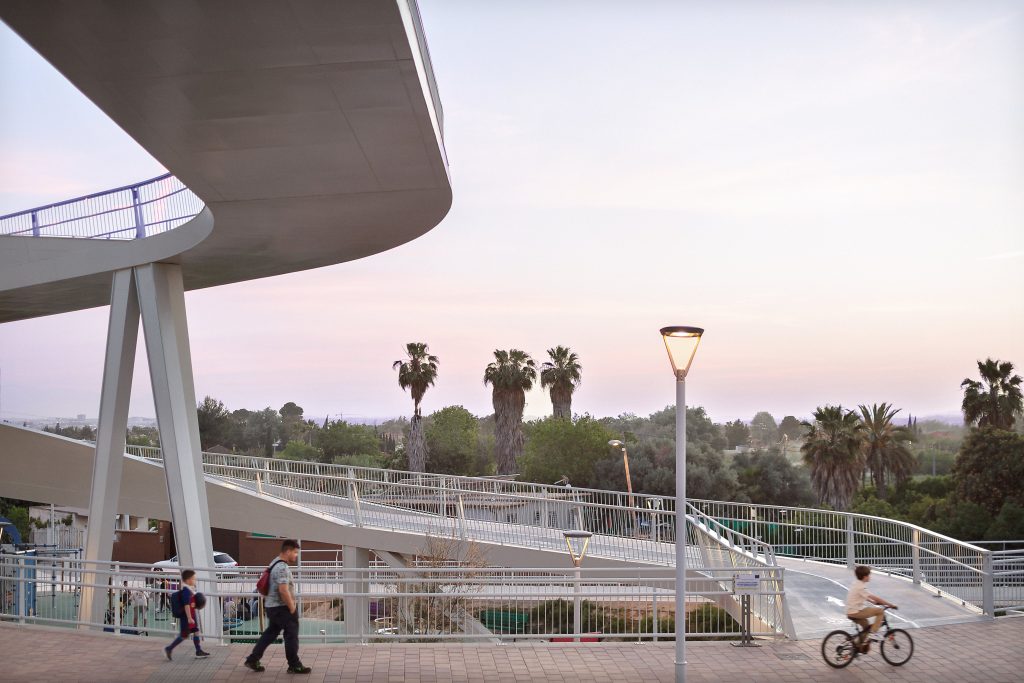
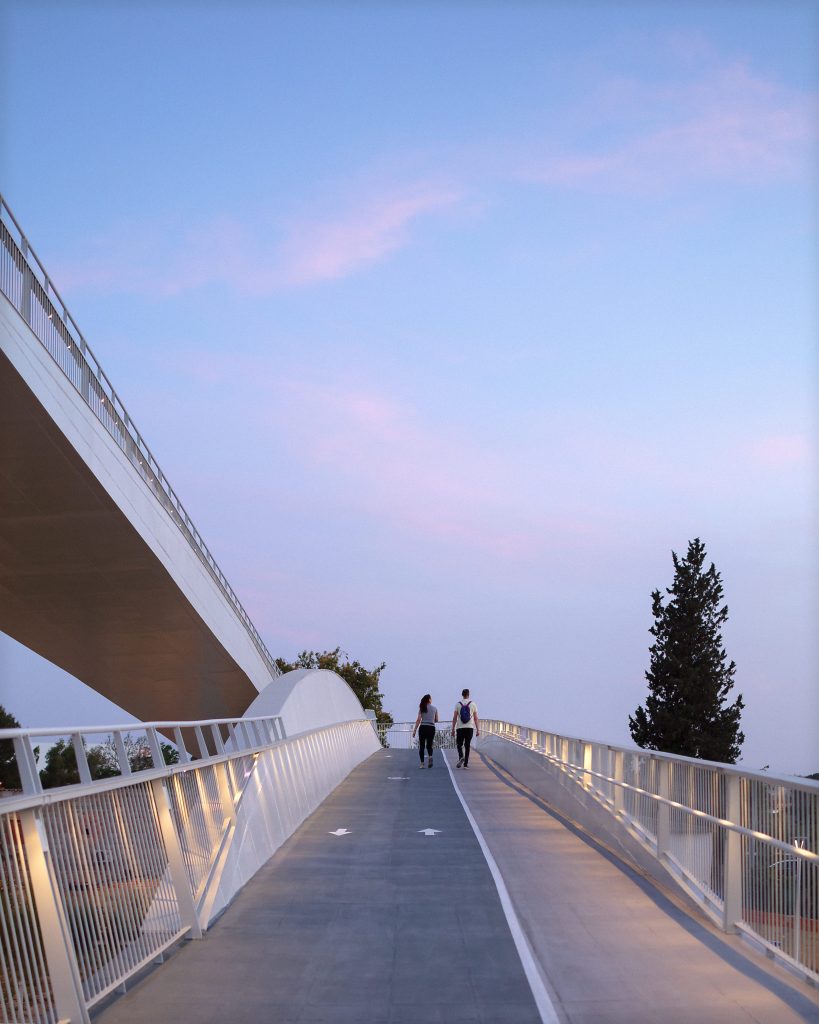
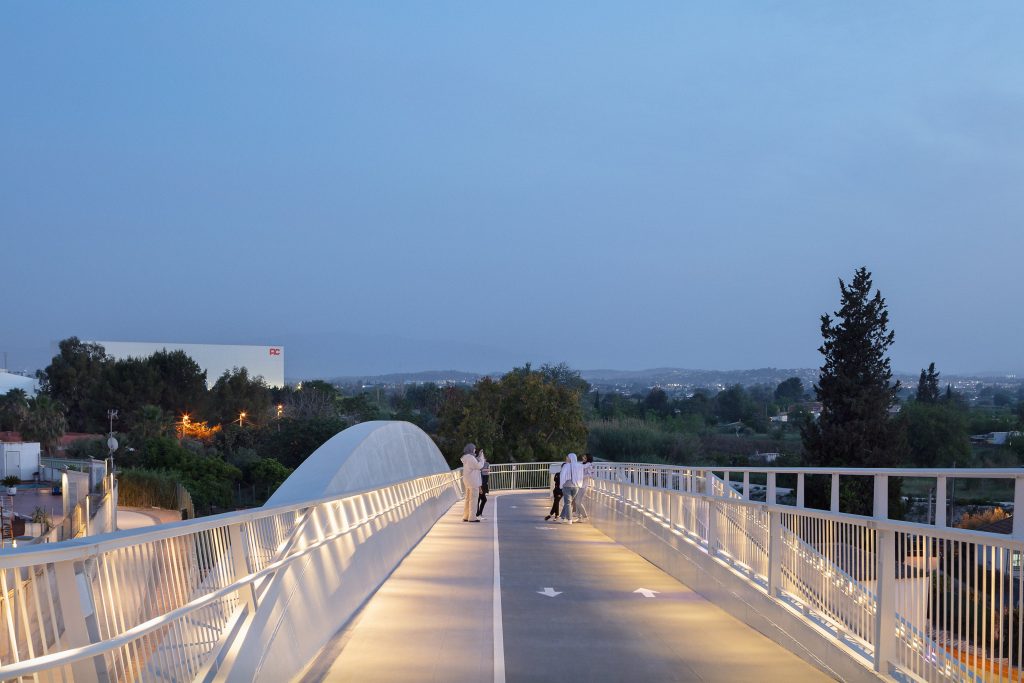
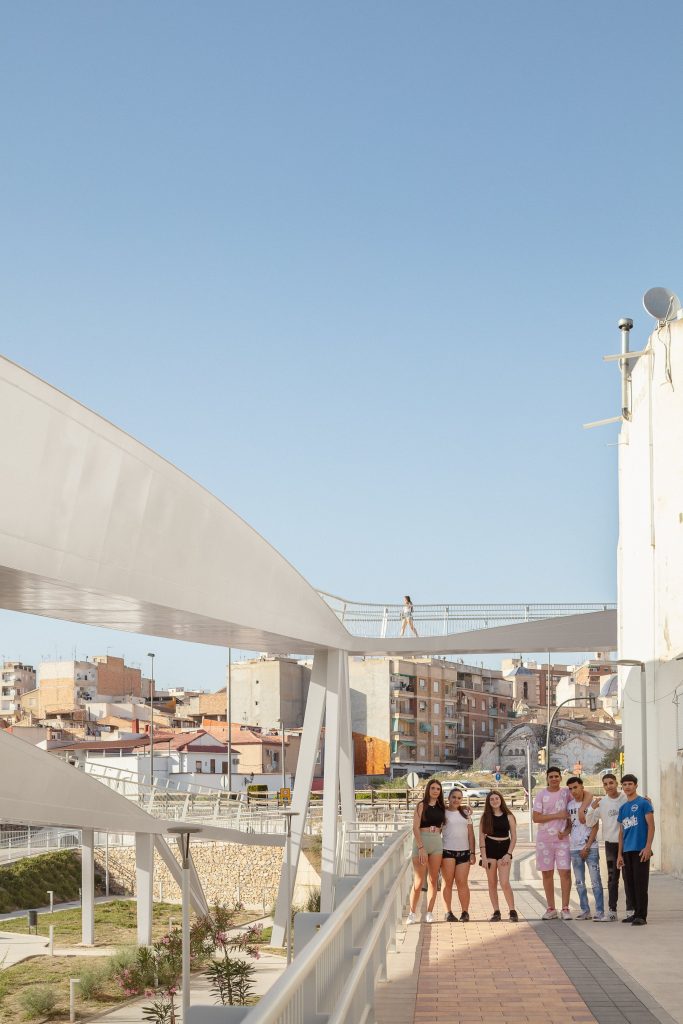
Particular attention has been paid to integrating the footbridge into its urban and natural surroundings. The design aims to achieve a visually lightweight infrastructure that blends into the riverside landscape without imposing itself as an alien element. The orientation and geometry of the crossing create a sequence of carefully framed views and perspectives, avoiding direct sightlines towards nearby residential buildings while opening up towards the river and the market gardens. This approach reduces the visual impact of the structure while enhancing the experience of those crossing it. The result is an infrastructure that goes beyond its role as a physical connection, becoming a new point of interaction between the urban environment, sustainable mobility and the natural landscape.