News
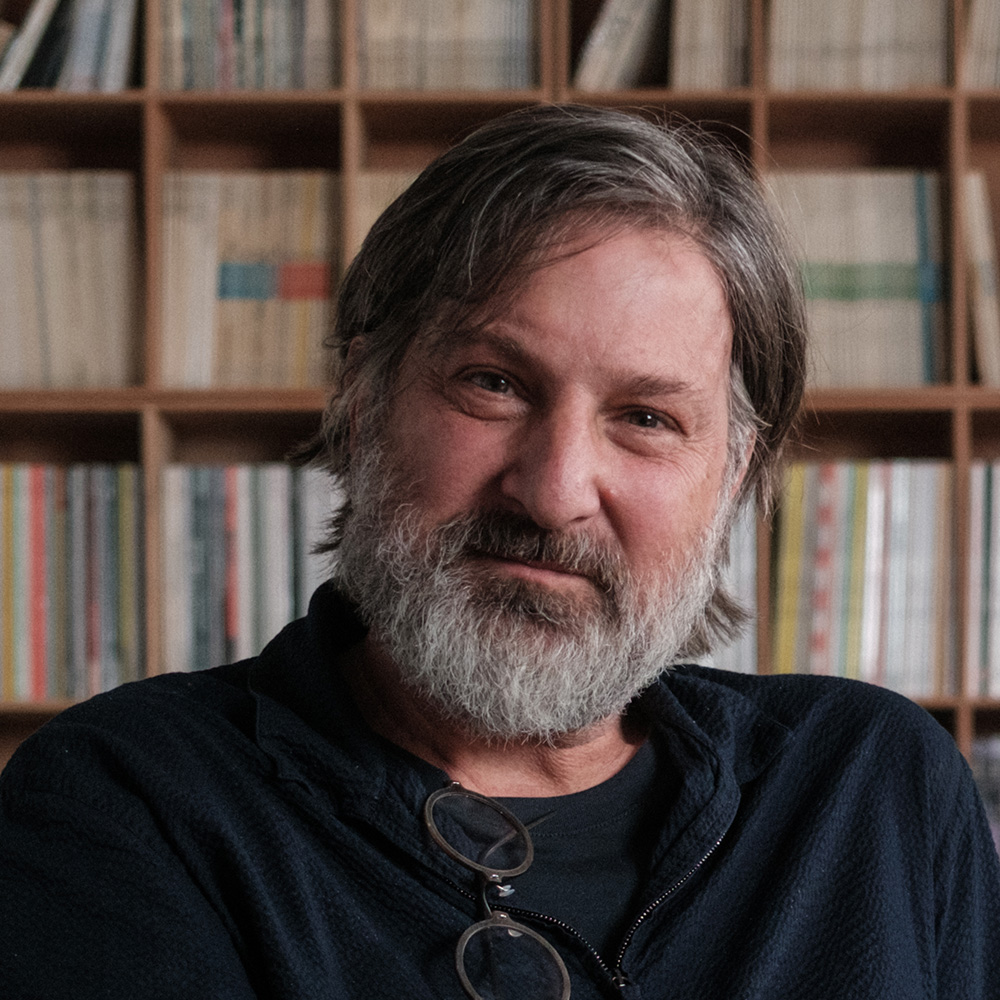
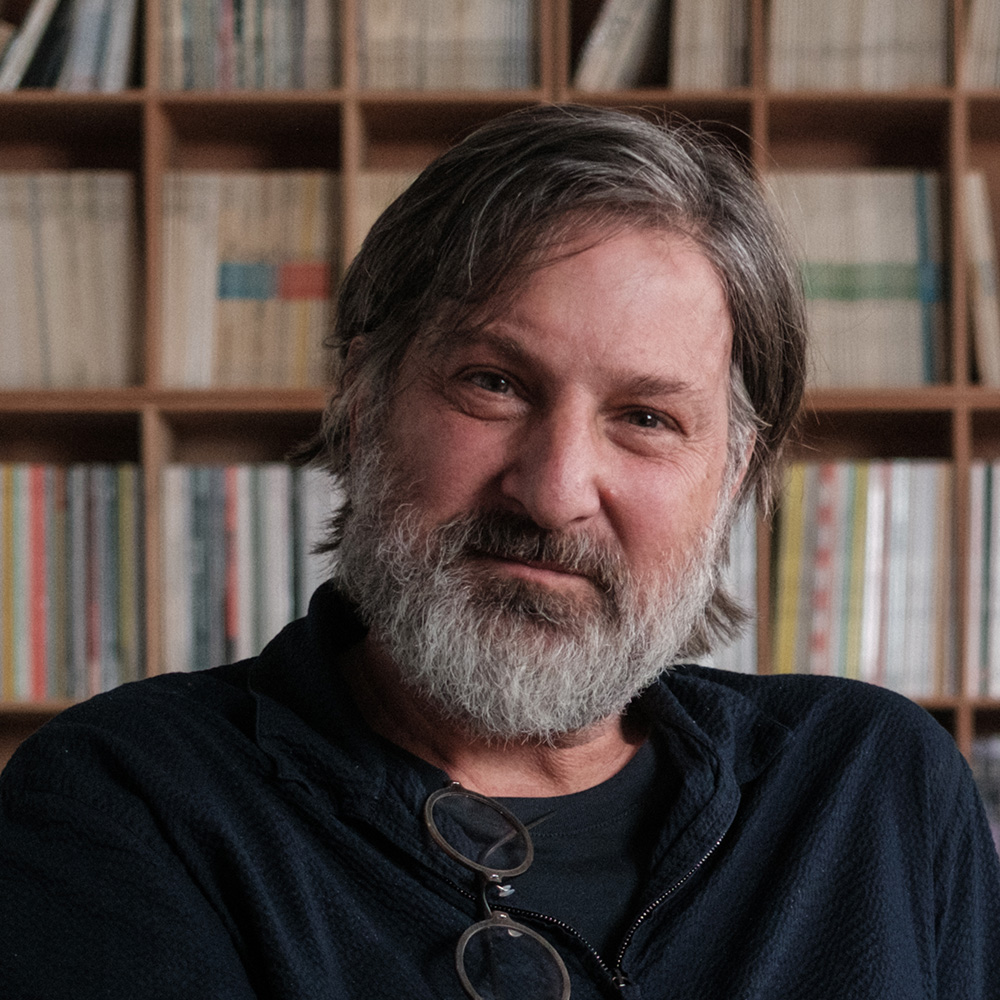
Smiljan Radić Clarke, the 2026 Pritzker Prize and the Architecture of Fragility
The awarding of the Premio Pritzker 2026 to Smiljan Radić Clarke marks a significant moment in the contemporary architectural landscape: not the celebration of iconic, spectacular architecture, but the recognition of a quiet, experimental, and deeply human practice. A Chilean architect, Radić stands out for a language that rejects monumentality and instead focuses on a fragile, temporary, and intensely sensory dimension of space. It is a countercurrent position that the Pritzker Prize has chosen to acknowledge, rewarding an author far removed from the logic of the “starchitect system.”
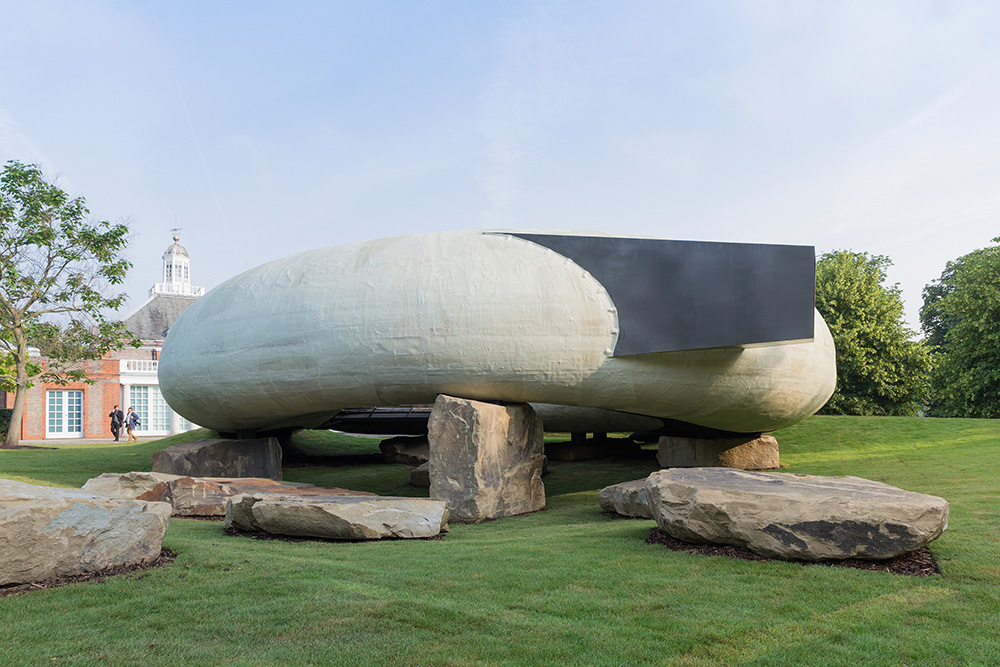
Ph. Iwan Baan
A Profile Outside the System
Born in Santiago in 1965, Radić founded his studio in 1995, deliberately keeping it small in scale. This approach allows for an almost artisanal practice, often developed in dialogue with other disciplines, particularly sculpture. His work has been developed primarily in Chile, in a geographic and cultural “periphery” that becomes an integral part of his poetics. It is no coincidence that his international recognition emerged gradually, consolidating through projects capable of challenging traditional categories of form and function.
A Poetics of Fragility
The defining feature of Radić’s architecture is a constant tension between opposites:
- heavy and light
- permanent and temporary
- natural and artificial
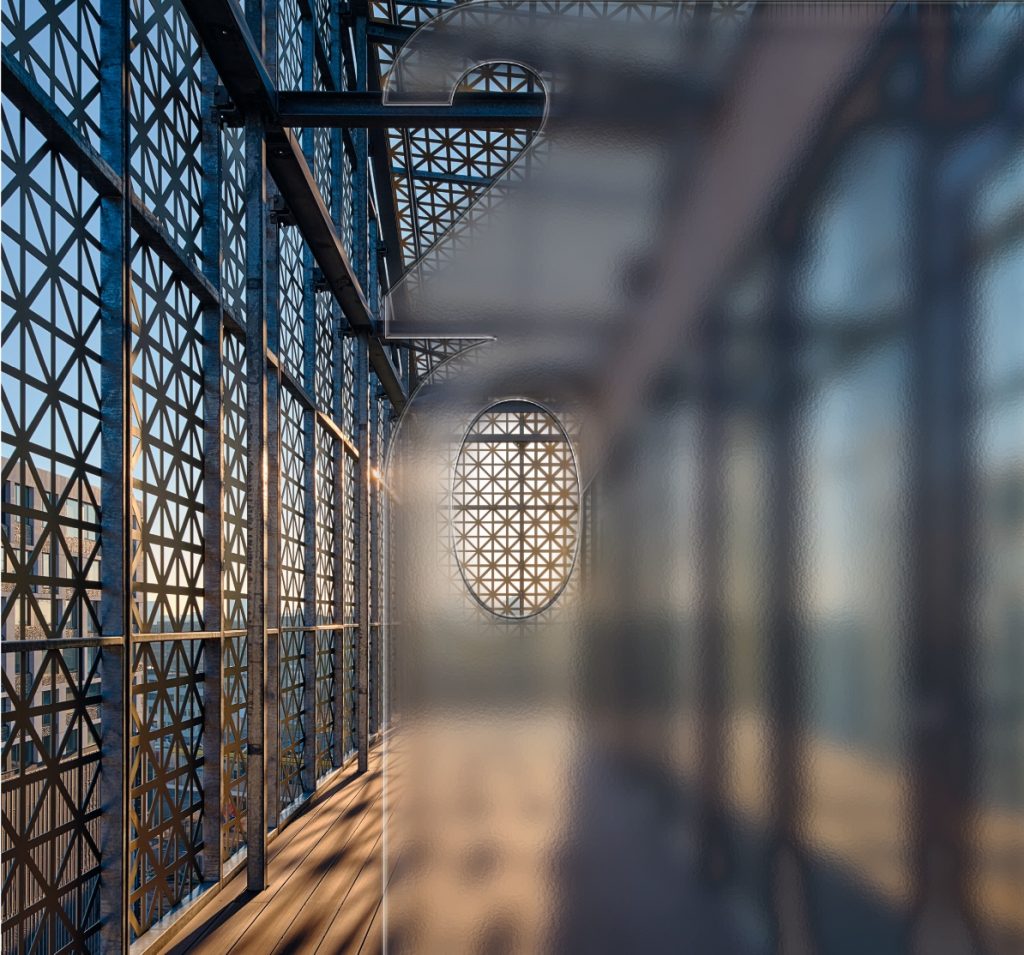
His works often appear suspended, unstable, almost provisional. This “fragile architecture” is not a weakness, but a precise theoretical stance: space should not impose itself, but rather enter into an empathetic relationship with those who inhabit it. As the Pritzker Prize jury stated: “The works of Smiljan Radić Clarke challenge the formal and material conventions of contemporary architecture, proposing a vision in which fragility becomes a tool for spatial intensity.” And further: “His architecture does not seek to dominate its context, but to establish a subtle and profound dialogue with the natural and cultural environment in which it is embedded.”
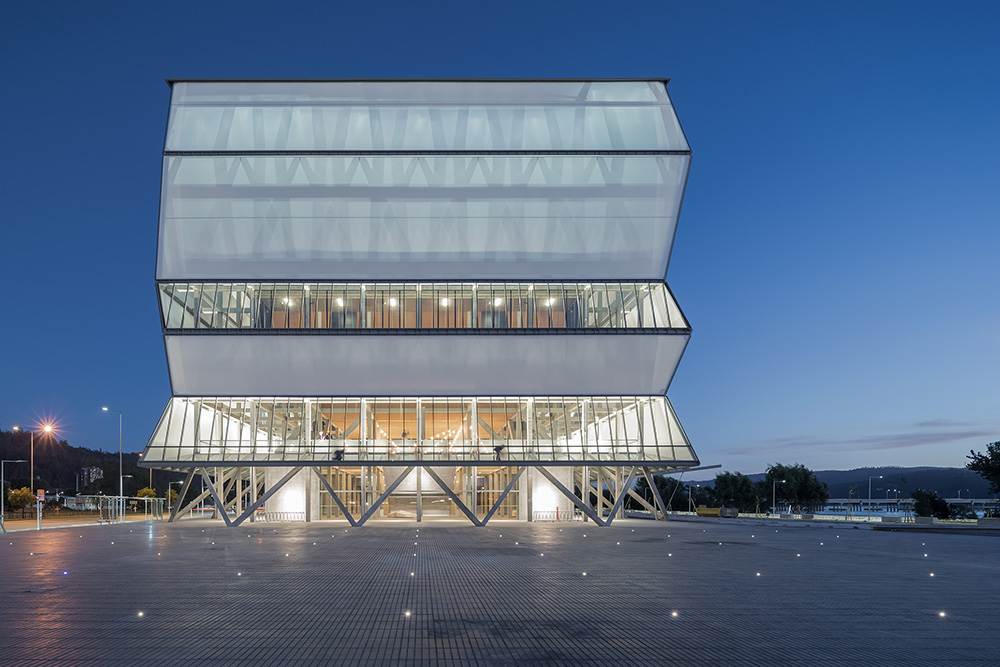
Ph. Iwan Baan
Among his most significant projects are works that embody this poetic tension:
- Serpentine Pavilion (London, 2014)
A structure suspended between artifice and nature, almost an alien object resting on raw stones. - Teatro Regional del Biobío (Concepción, 2018)
A luminous, translucent volume that engages with both the urban and river landscape. - Casa Pite (Papudo, 2005)
An essential retreat carved into the landscape, where material and light define the domestic experience. - Mestizo Restaurant (Santiago, 2006)
An open architecture that dissolves the boundary between interior and exterior.
In all these projects, the central element is not form itself, but the relationship with context, memory, and the human body.
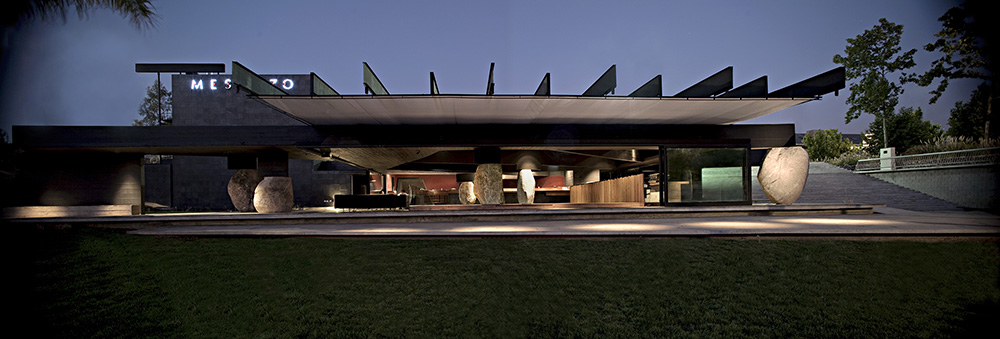
Ph. Gonzalo Puga
The Jury’s Citation
The official statement emphasizes an ethical and perceptual dimension of architecture, recognizing in Radić a voice capable of redefining the role of design today: “At a time marked by environmental and social urgencies, Radić proposes an attentive architecture, capable of listening and responding with sensitivity rather than with self-referential gestures.” And above all: “His work reminds us that architecture can be at once radical and humble, powerful and vulnerable.”
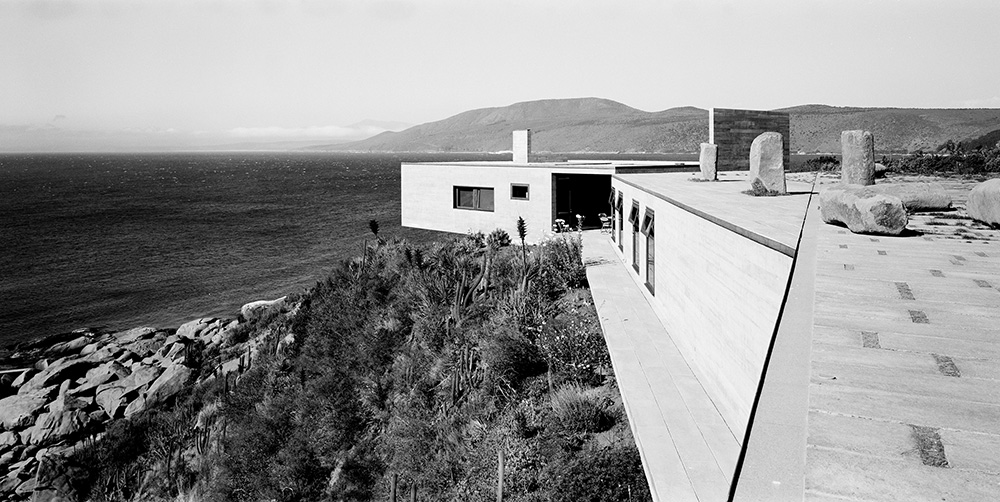
Ph. Cristobal Palma
Toward a More Human Architecture
In an era shaped by environmental crises and social transformations, Radić’s work suggests an alternative path: no longer architecture as iconic object, but as sensitive, open, and vulnerable experience. The 2026 Pritzker Prize clearly points in this direction: the future of architecture lies not in formal power, but in the ability to build relationships—between space, nature, and individuals.