News
Roberta Busnelli, Editor and Managing Director of IQD, interviews Johannes Möller, Brand Manager of Light+Building
1. What are your first impressions of this 2026 edition of Light + Building?
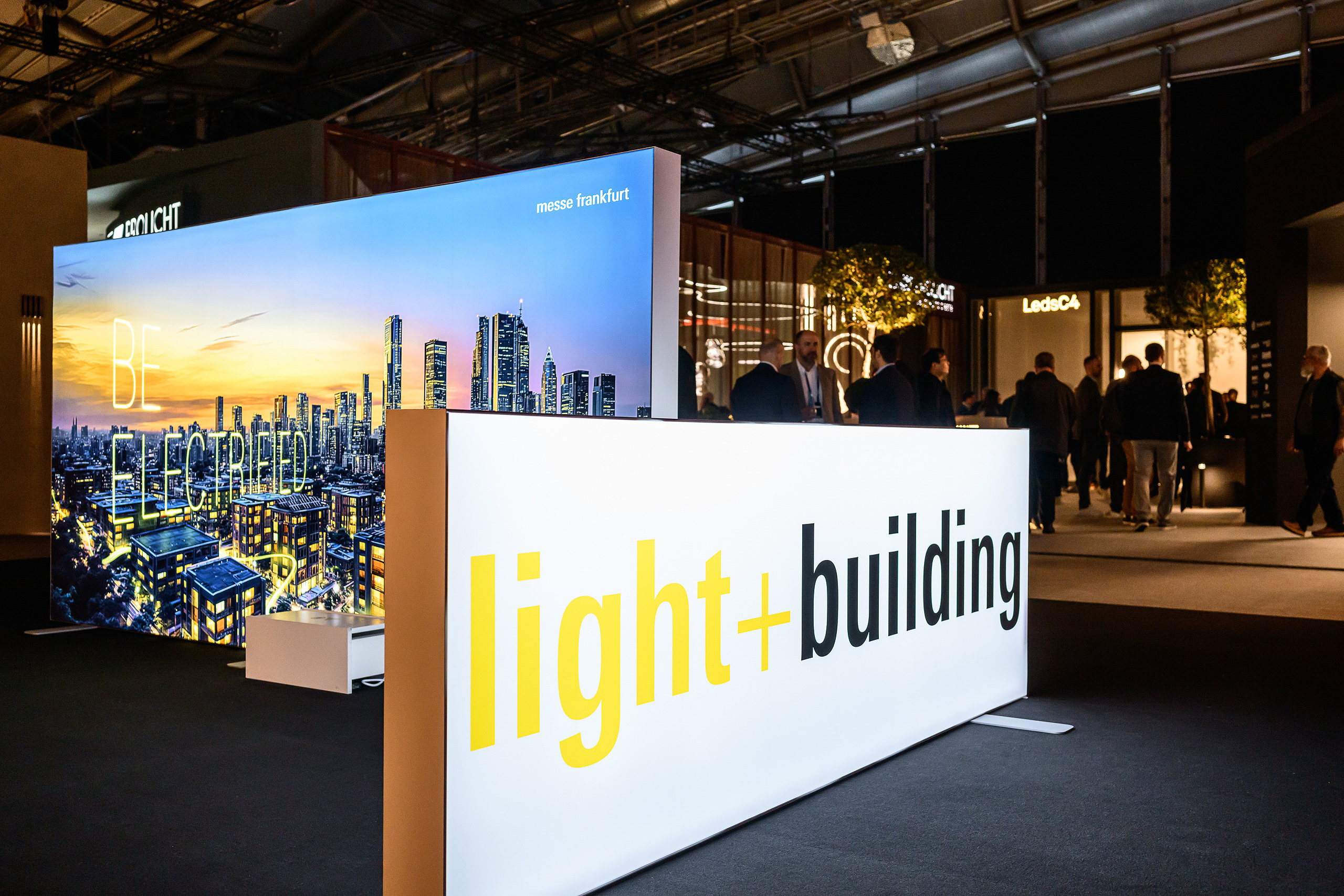
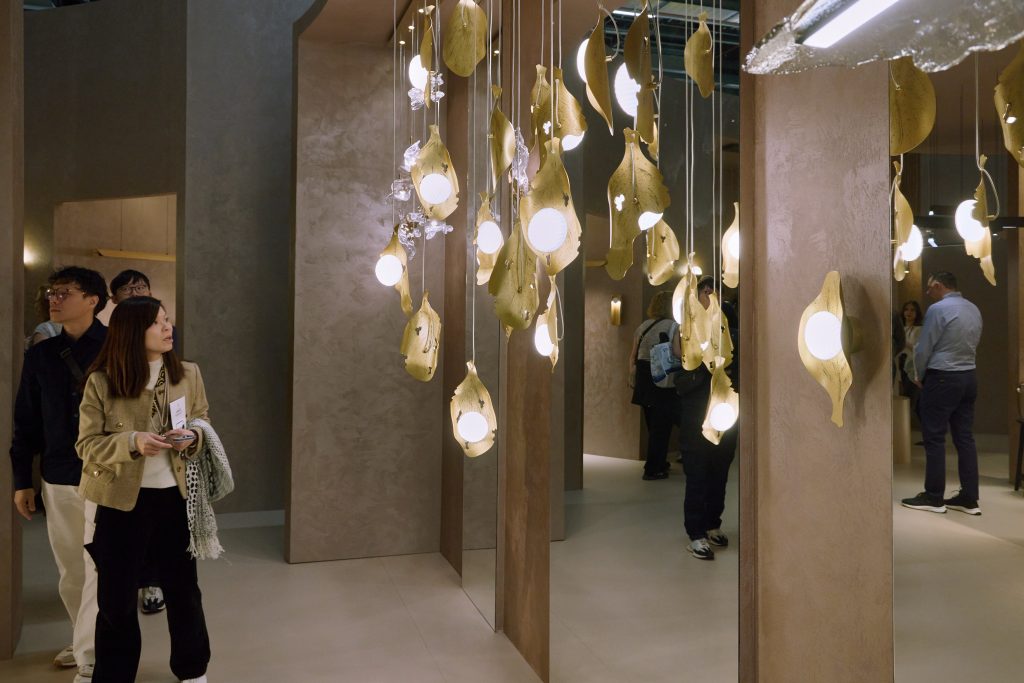
Light + Building, which was first held in 2000, is quite a young child in the portfolio of our exhibitions, yet it is already an extremely well-established and highly successful one. We are very happy with this year’s edition: it is wonderful to see the international community gathered once again, with over 1,900 exhibitors from 49 countries representing the worlds of lighting, building technologies, and building services. Major lighting companies, together with key players in building technology, smart home systems, and connected solutions, are here presenting their latest innovations. Visitor turnout is very encouraging as well. Although we are living in a world which is not comparable with the years pre-2020, it is remarkable how well the international network continues to work together. And Frankfurt once again confirms itself as the central hub for global innovation. Of course we see a gap when it comes to visitors from the Middle East and Russia, due to current geopolitical conditions. Nevertheless, the overall level of international participation remains high, reinforcing the fair’s central role. But most importantly, I hear positive feedback from the exhibitors. We are also seeing encouraging signals on a broader level: the global construction market appears to have passed its most critical phase. It feels as though we have moved beyond the lowest point, getting up again and entering a period of recovery supported by new investments in construction.
2. Light + Building is widely regarded as the leading global platform for lighting and building technology. What are the fair’s strategic priorities today in guiding the sector through the twin digital and ecological transitions?
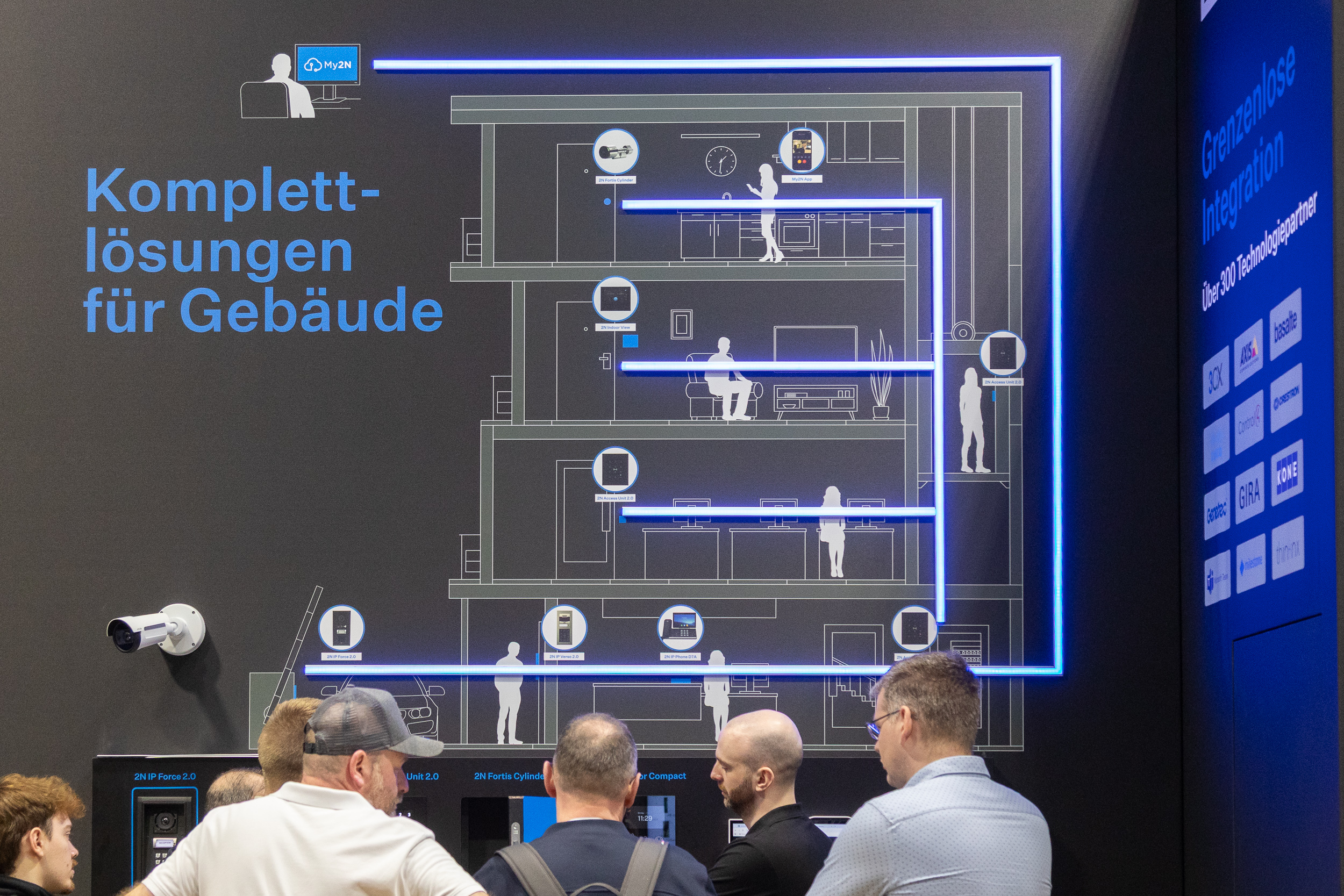
This exhibition will be increasingly focused on electrification, understood as the gradual transition from fossil fuels to electricity, preferably generated from renewable sources. I consider this process as the key answer for tackling the major sustainability challenges in the coming years. Electrification directly impacts key sectors such as lighting and construction: converting systems, devices, and processes to operate on electricity is a fundamental lever for creating a smarter, more efficient future. It is a structural change that allows us to look ahead with confidence. Alongside this, the fair is giving considerable attention to smart connectivity and light. Connectivity optimizes energy use, transforming buildings into active, responsive, and efficient ecosystems. The central point here is the integration between the lighting industry and construction. This convergence will become increasingly decisive: only a truly connected building can be considered smart, energy-efficient, and sustainable. This approach opens up advanced scenarios, from data collection and management to multifunctional interfaces and AI-driven predictive maintenance. In this context, lighting and its integration into building systems play a strategic role. The fair aims to provide architects and designers with tools, solutions, and visions that help them find the best responses for their projects.
3. As the market increasingly shifts toward energy efficiency and integrated smart systems, which innovations presented in this edition do you believe will have the most significant impact over the next five years?
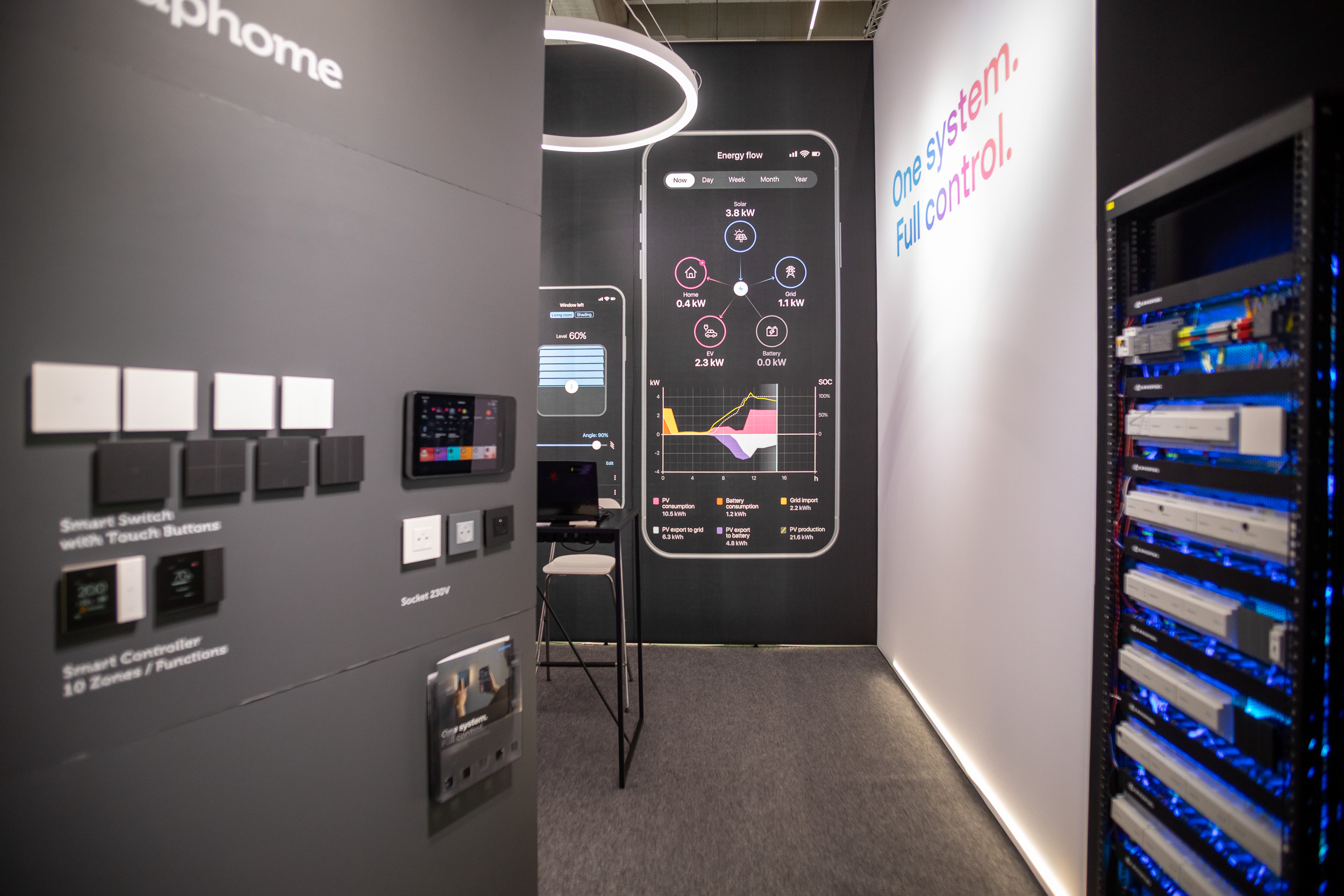
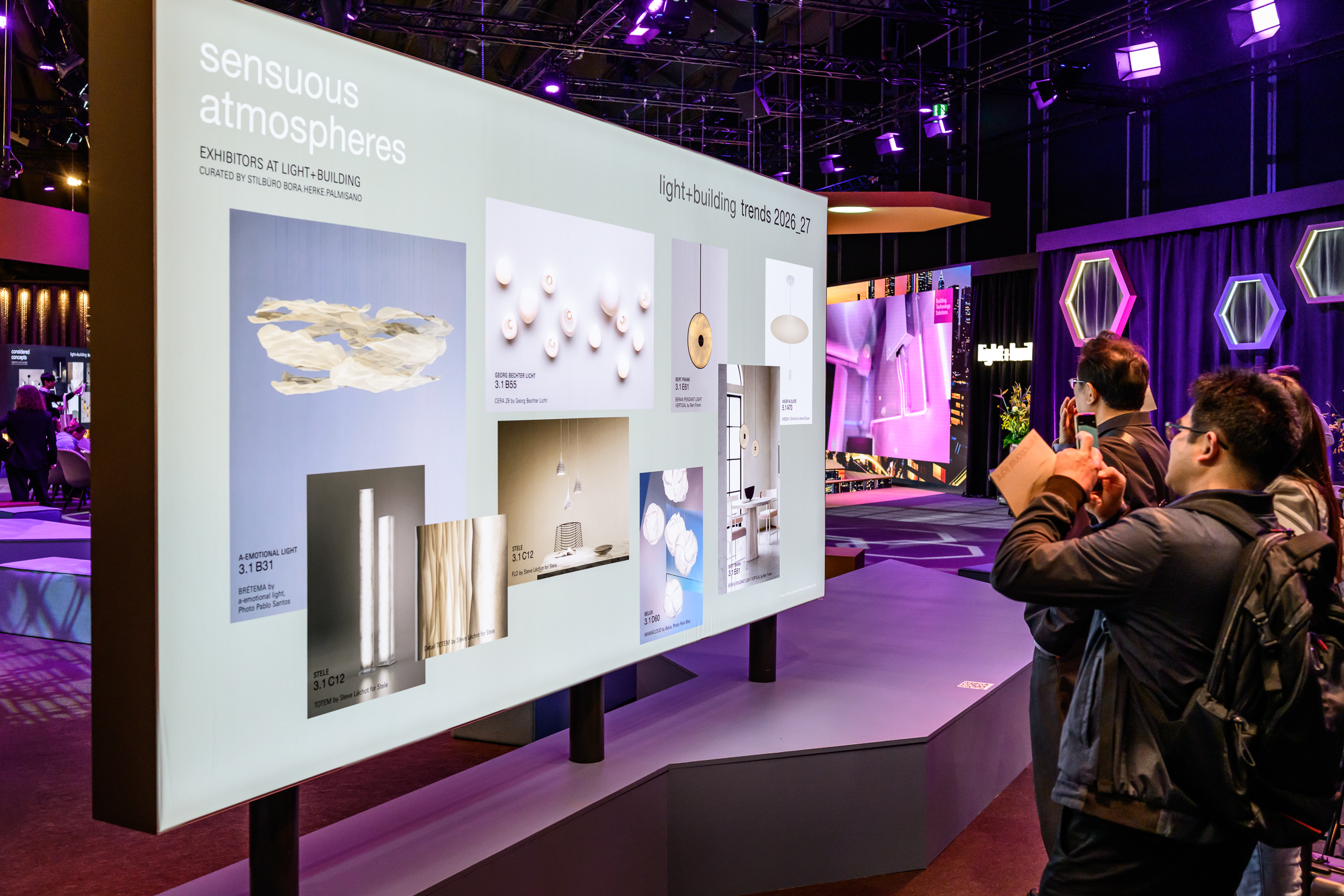
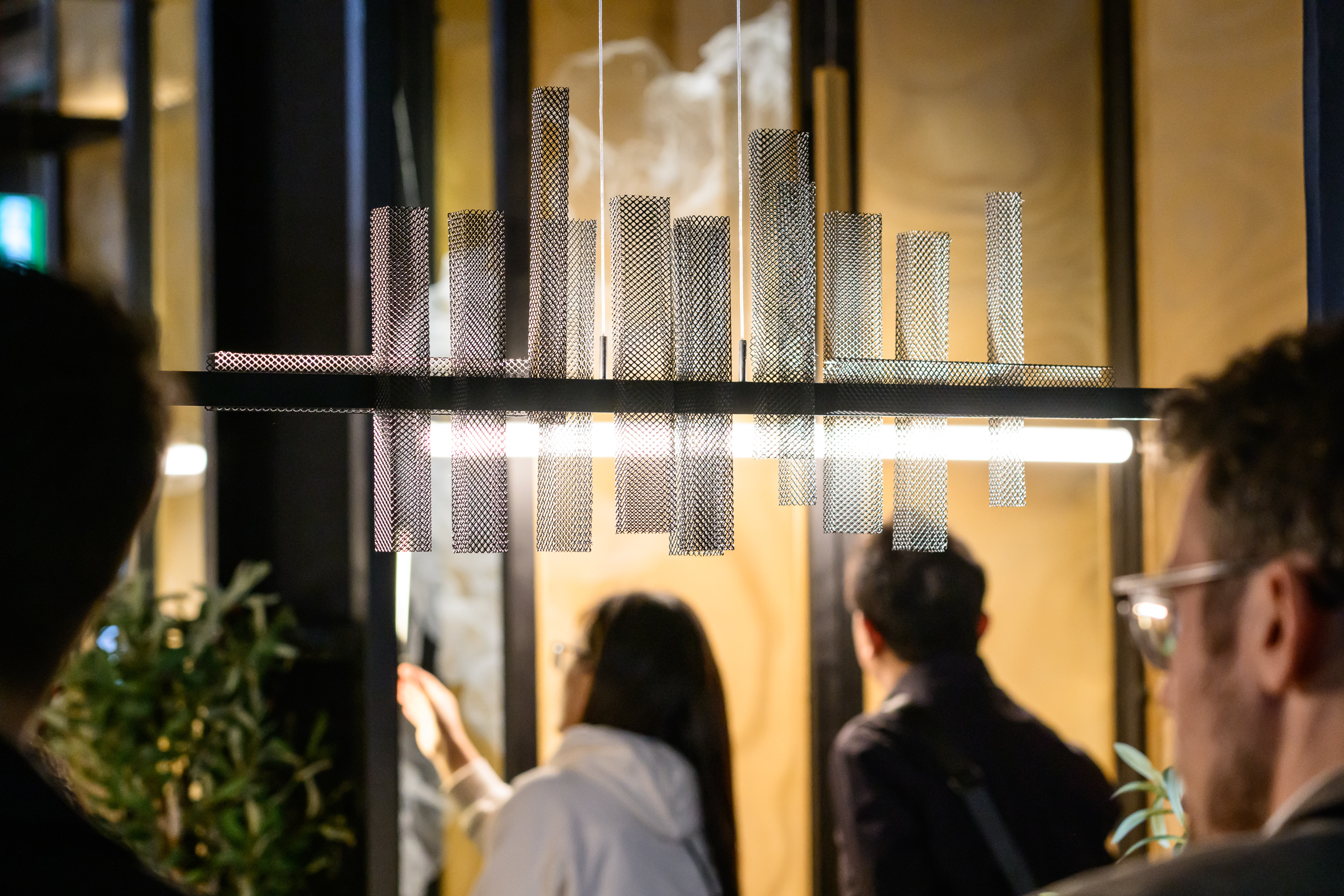
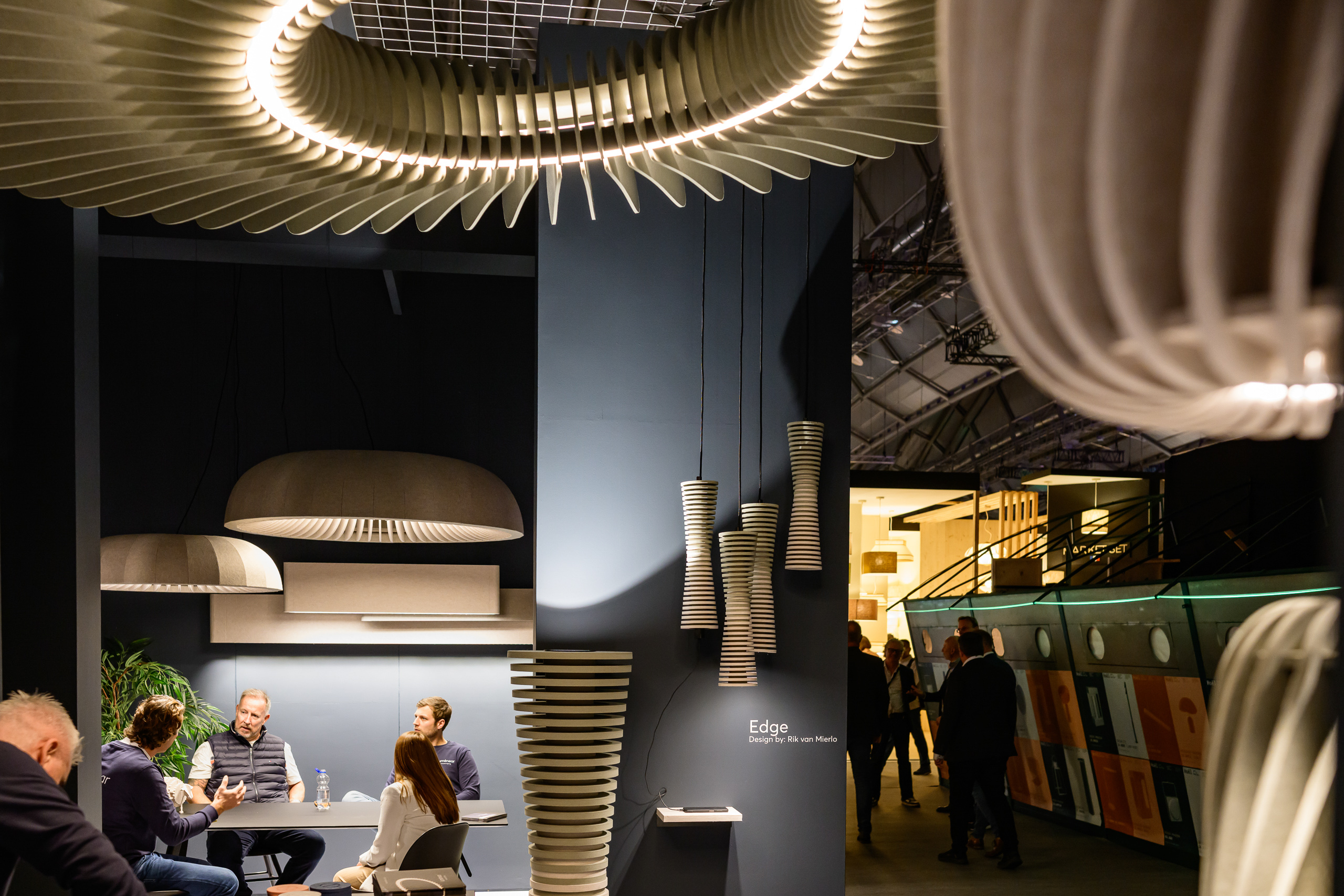
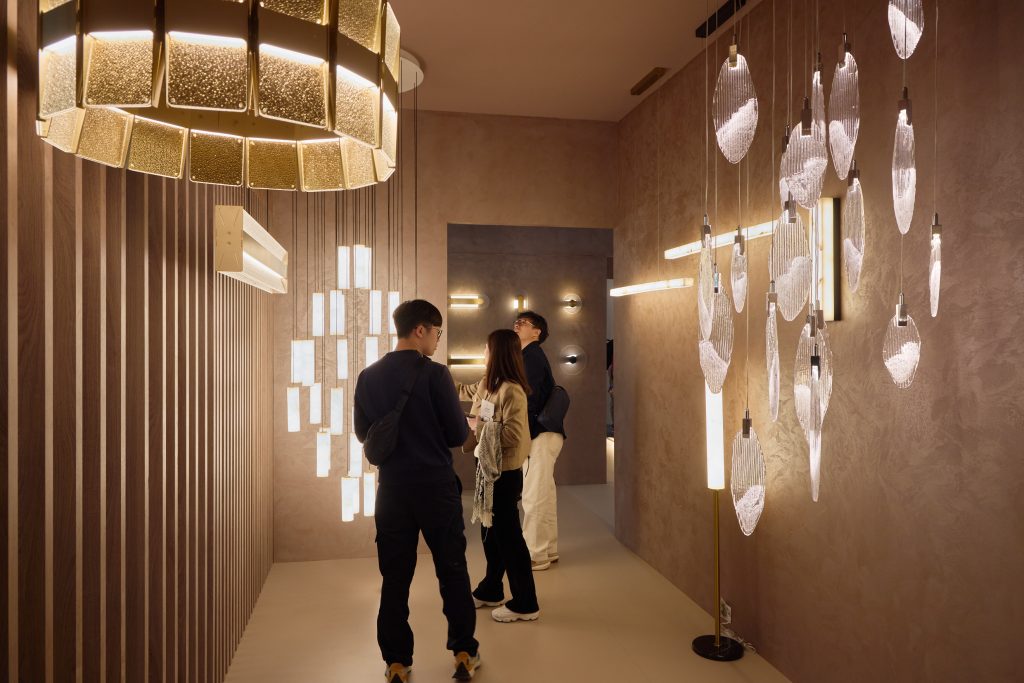
That’s a special question to be honest, because the answer is not as straightforward as it might seem. In the lighting sector, for instance, there are no radical innovations today: we are still talking about LEDs as the efficient standard, but this technology is around twenty years old. Design trends also show a certain uniformity, with minimalist approaches and many products appearing very similar to each other. The true innovation lies elsewhere. The key now is to bring to market products that can connect with the building and interact with other systems within it. This is the decisive step. In the building sector, the driver of innovation is smart connectivity and building automation. Visiting the fair, it is not always immediately evident where innovation is taking place, because it is often like behind the wall, in digital solutions. Even simple elements such as switches and sockets are becoming increasingly sophisticated and smart, generating data that is essential for building management and optimization. For this reason, identifying a single highlight is not that easy: one must look beyond first impressions and understand where the real value lies. And this value is always found in advanced, highly connected, smart technologies that form the true infrastructure of the buildings of the future.
4. Light is evolving more and more towards a cultural infrastructure that is shaping our behaviors, wellbeing, and spatial perception: will Light + Building evolve as well in the next 2028 edition towards a laboratory of ideas besides being a marketplace of products?
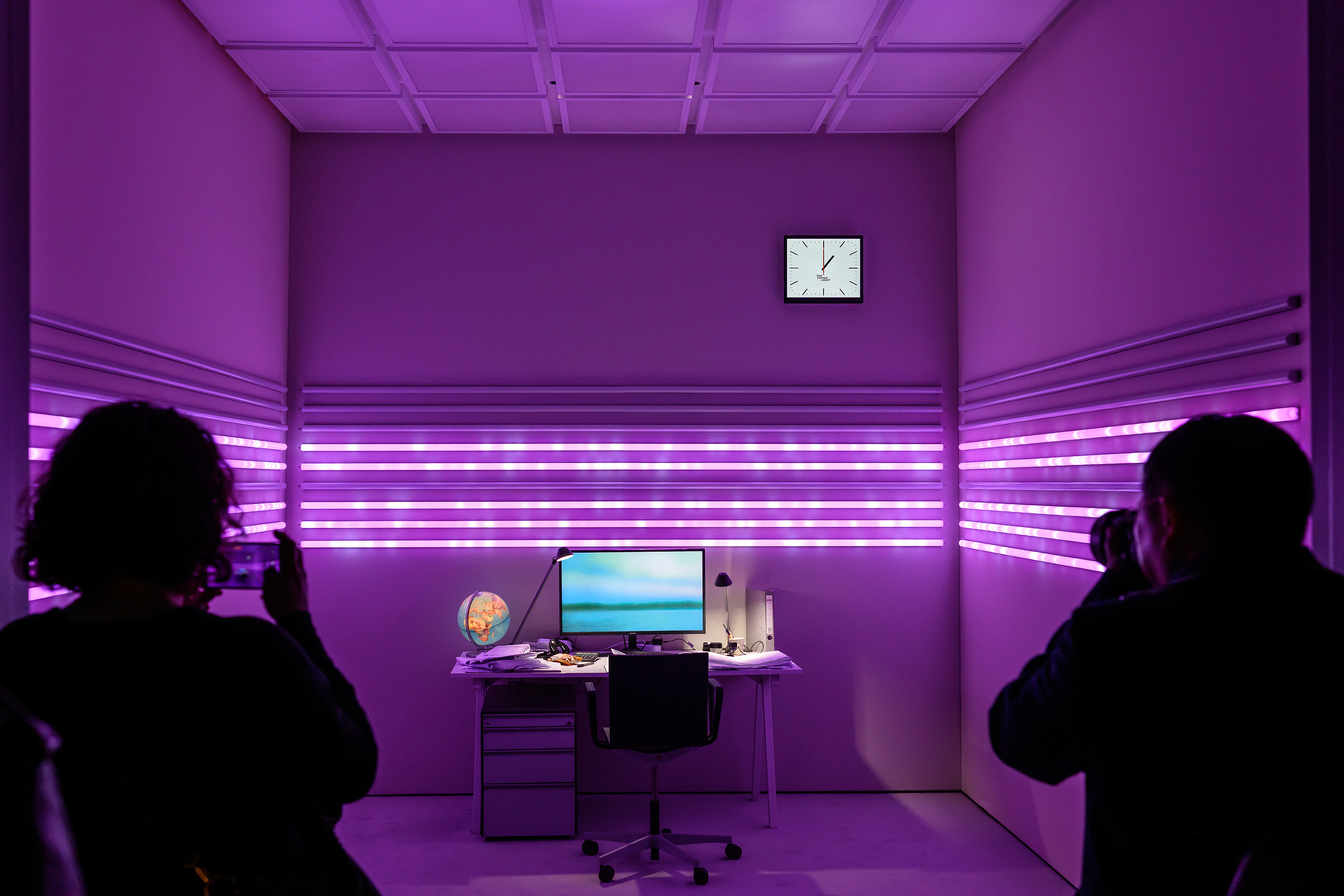
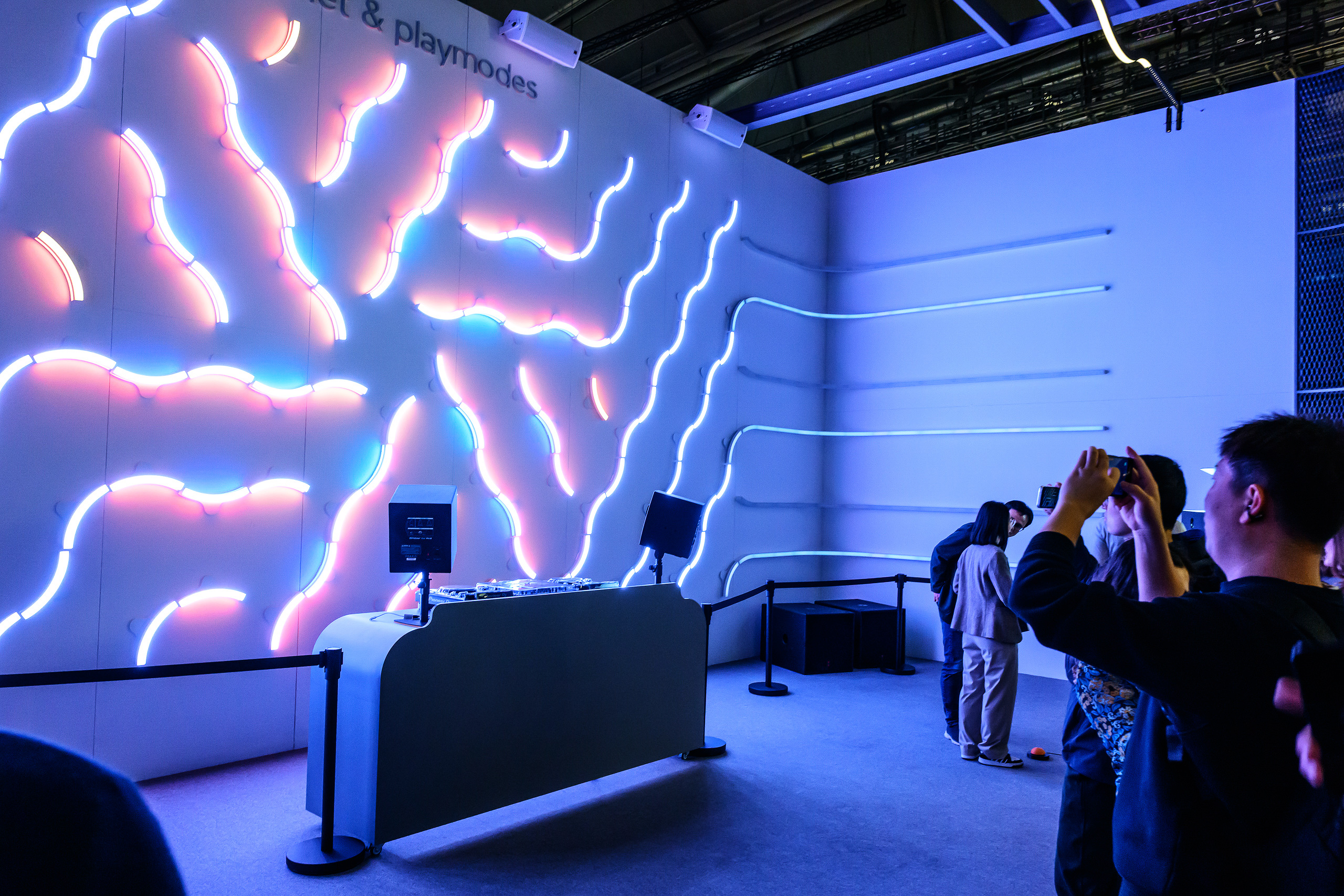
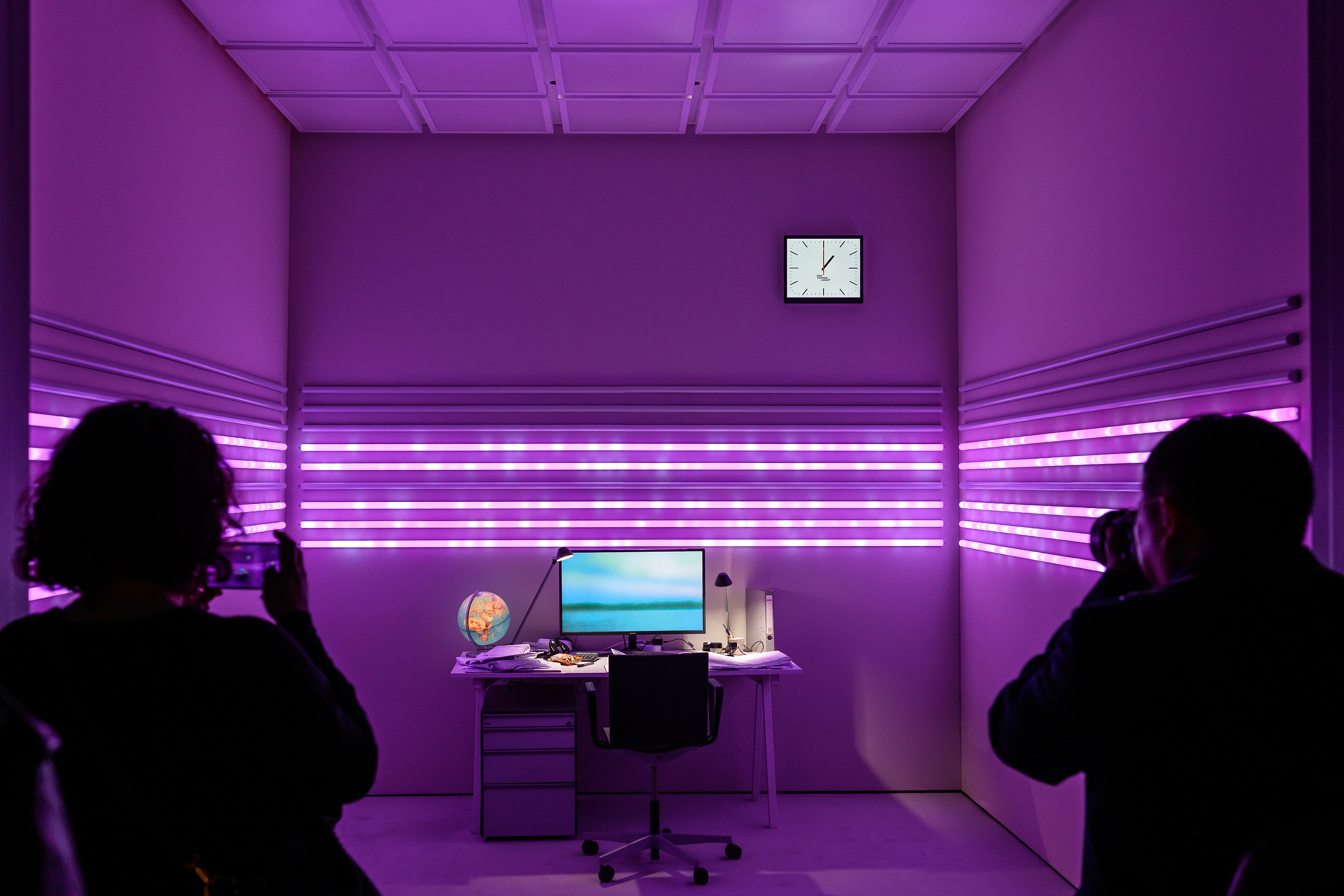
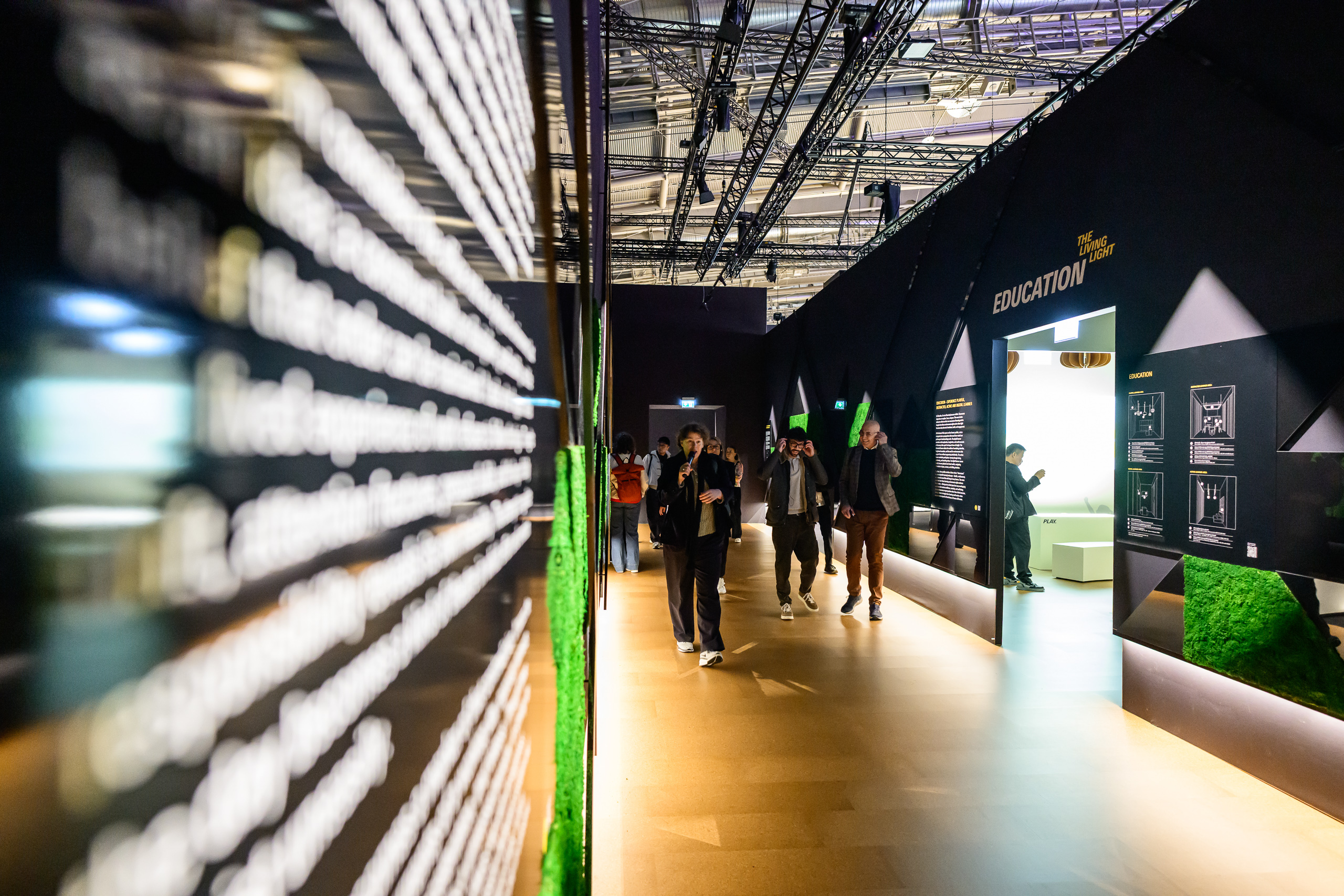
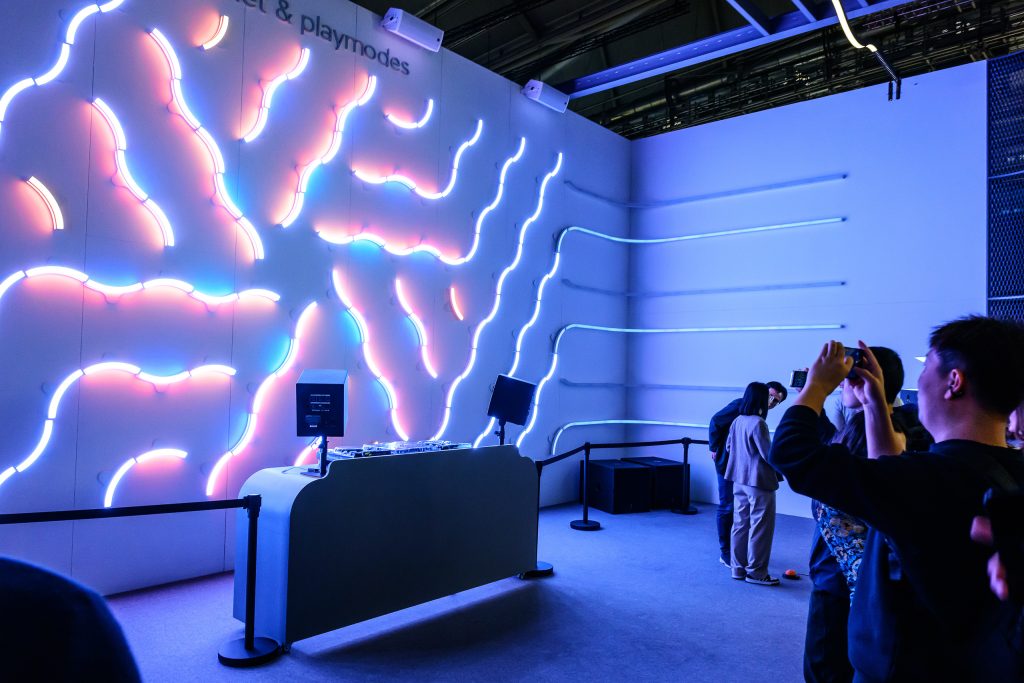
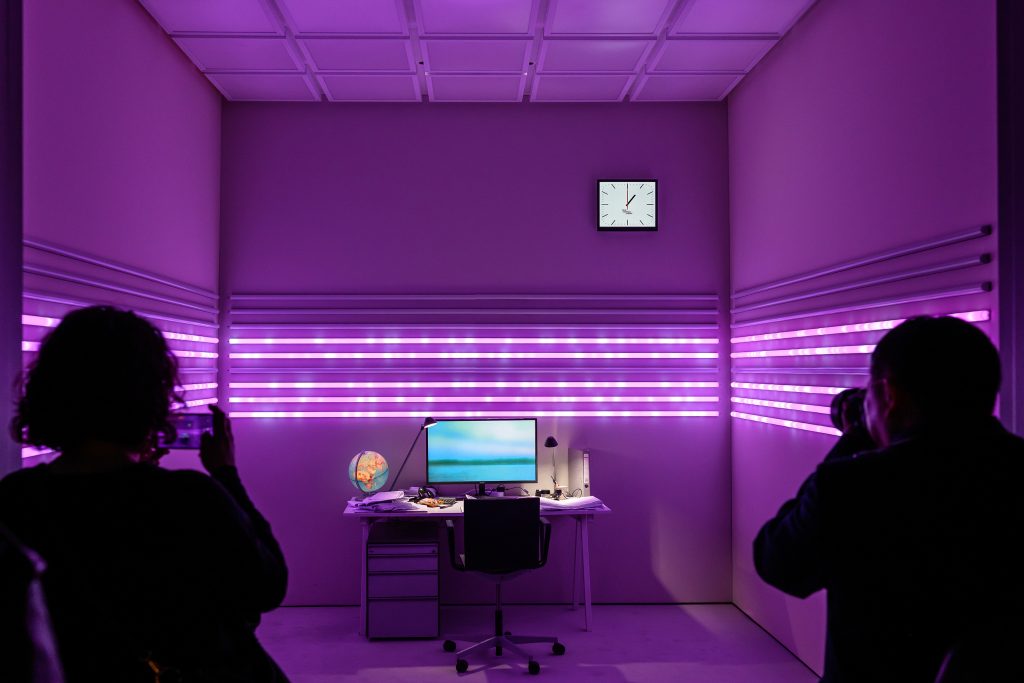
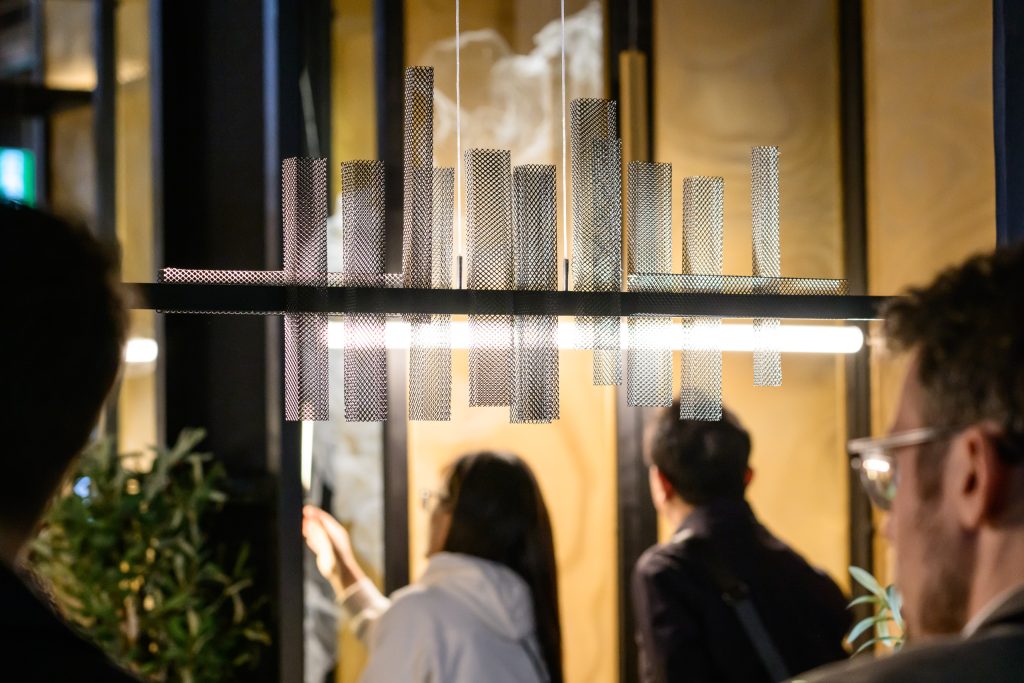
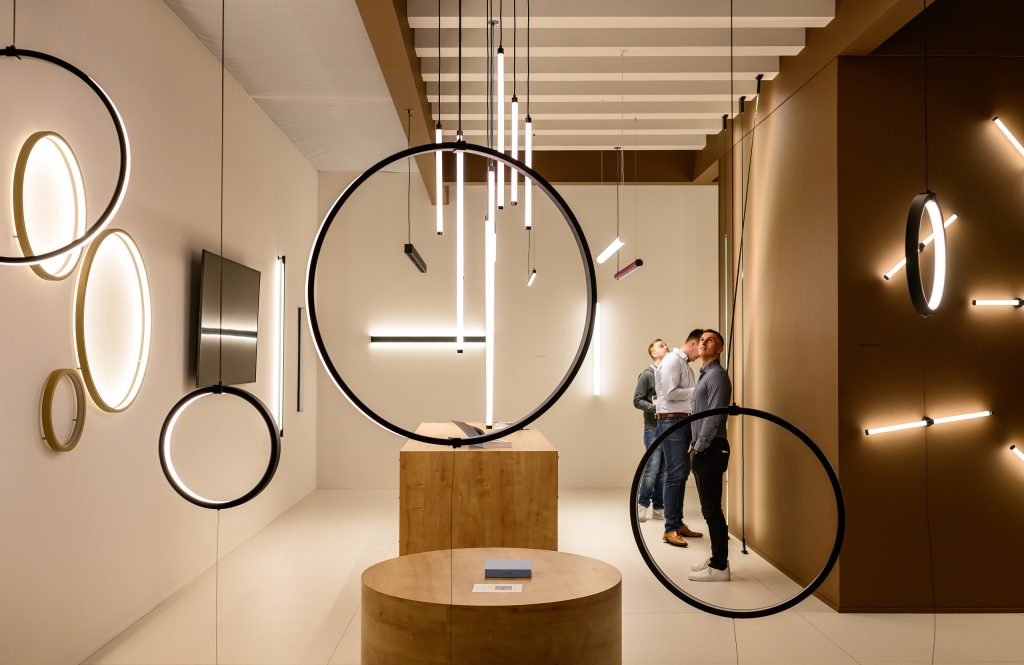
Light + Building is indeed moving in the direction of shaping a culture sensibility. First of all, of course, like all trade fairs, it exists because companies want to show their products, explore new applications, and drive their business to the next level. But our job goes beyond the commercial dimension: it is as well about content, vision, and the ability to anticipate the challenges of the next ten years. This is why we also developed the Living Light program. We designed four fundamental environments — education, home, communication, and work — where visitors can experience how light can accompany daily life throughout the day. What is the ideal light while sitting on the sofa? What is the perfect light? What helps restore energy after studying or working? I think our job is to highlight and communicate that light is more than just a matter of bright or dark. It is a constant presence for the whole day that has a tangible influence on our body, life, behaviour, mood, and performance. This is a message we must put into focus and communicate more widely. At the same time, we aim to provide concrete tools for those responsible for selecting lighting solutions, whether in homes or workplaces. Quality of light is a key factor in wellbeing: it should not be viewed merely as a matter of saving money, but as a true investment in health, energy, and productivity. The sector also faces broader challenges. Construction costs are evolving, as are the demands of residential building. It is essential to find solutions that make high-quality living accessible to everyone, globally. Here too, light can play a significant role, helping to create quality spaces at sustainable costs.