Architecture
Architectural Device of Memory
Architect:
Ambientevario
Place:
Formigine, Italy
Year:
2024
Photographer:
Federico Covre
LA MOLINELLA RESIDENTIAL COMPLEX – AMBIENTEVARIO
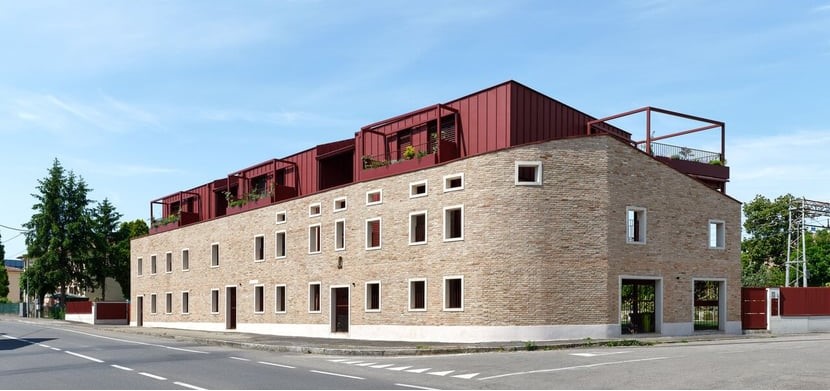
In a key area of the urban fabric of Formigine, in the province of Modena, defined by the presence of a railway line and a dense historical and social stratification, the La Molinella residential complex, designed by the architecture and engineering practice Ambientevario, has taken shape. The original housing settlement was established here in the late 19th century, near a 17th-century watermill. Built in response to the housing needs of mill workers, this modest and functional residential complex tells a story of labor and territory. Its very name refers to the small complex adjacent to the mill, a symbol of both a community and an era.
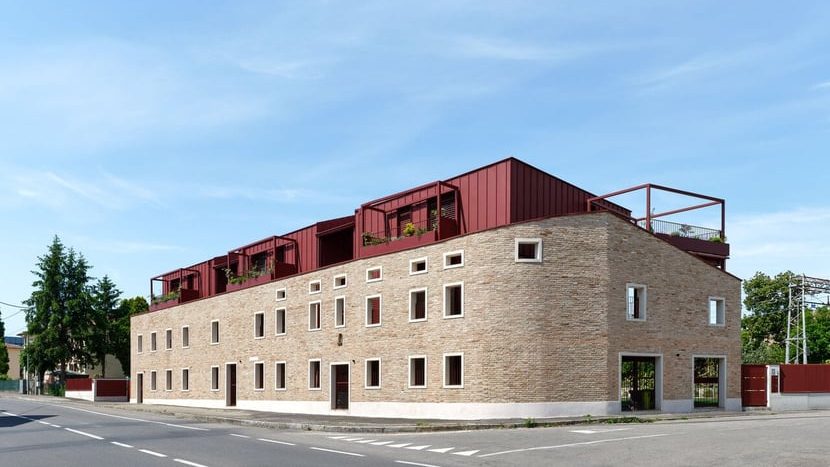
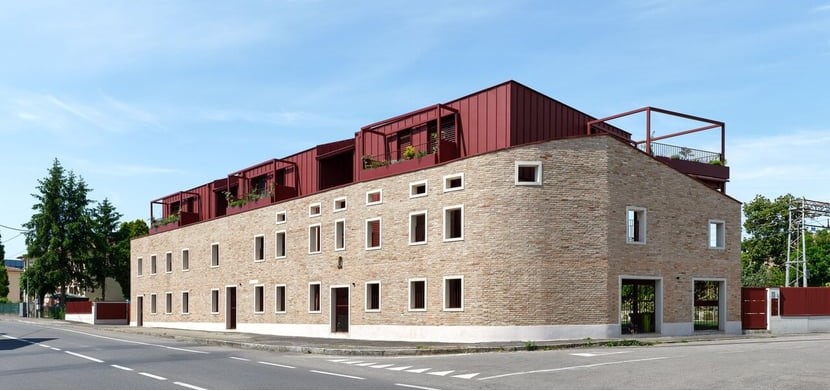
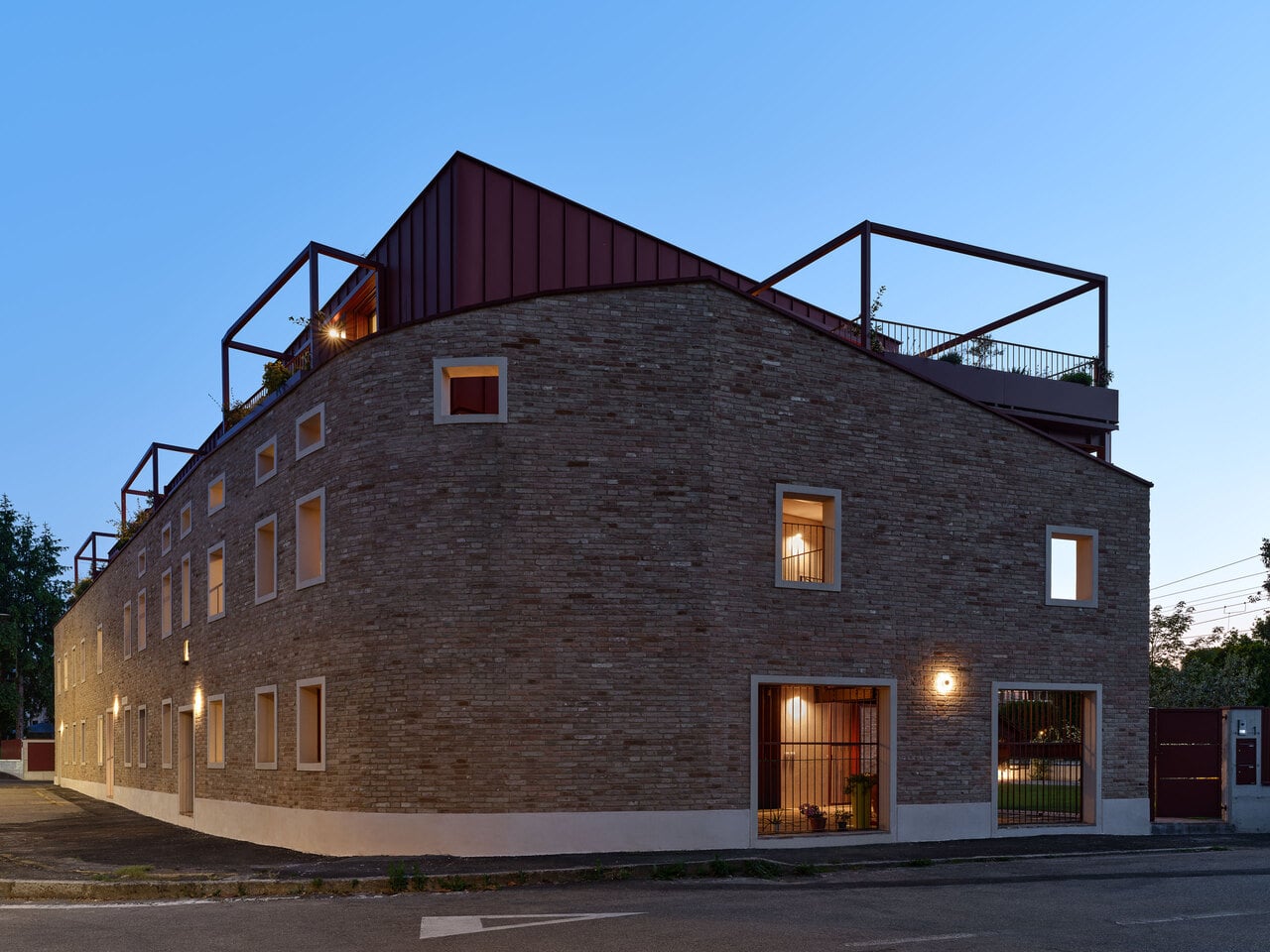
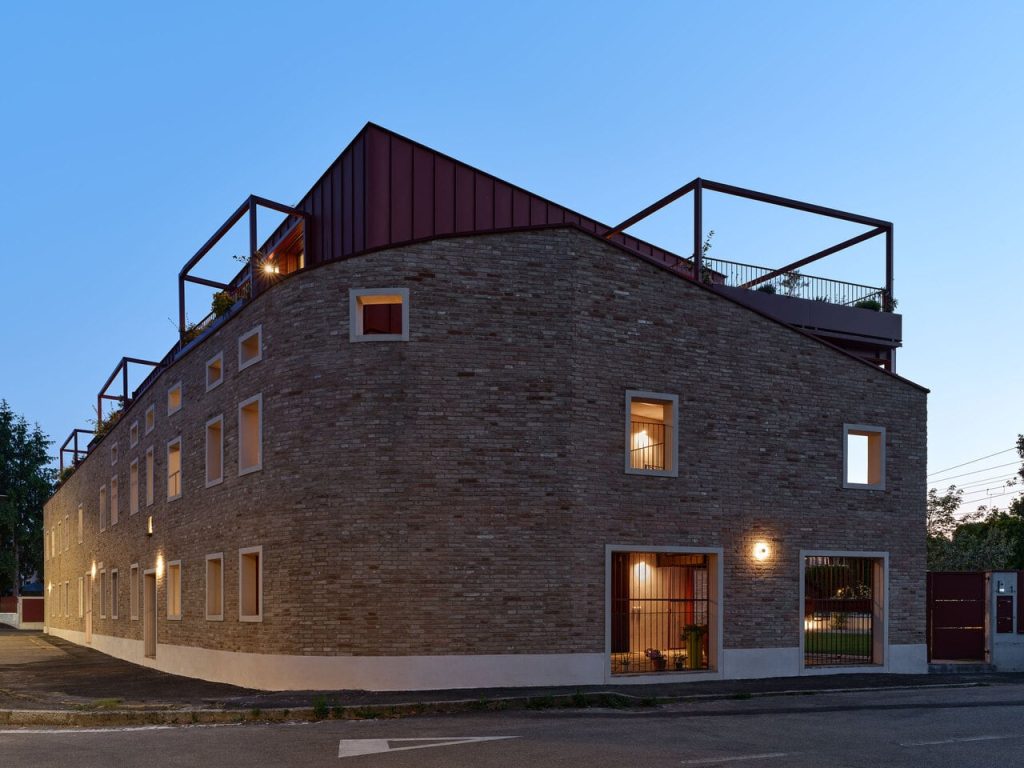
The new 700 sqm intervention does not replace or erase this memory but interprets it in architectural terms, establishing an active dialogue with the past. The founding element of this dialogue is the brick wall, reconstructed on its original alignment using the same historic bricks salvaged from the site. The openings of the old façade were faithfully reinstated according to the original layout, restoring the historic rhythm of the elevation.
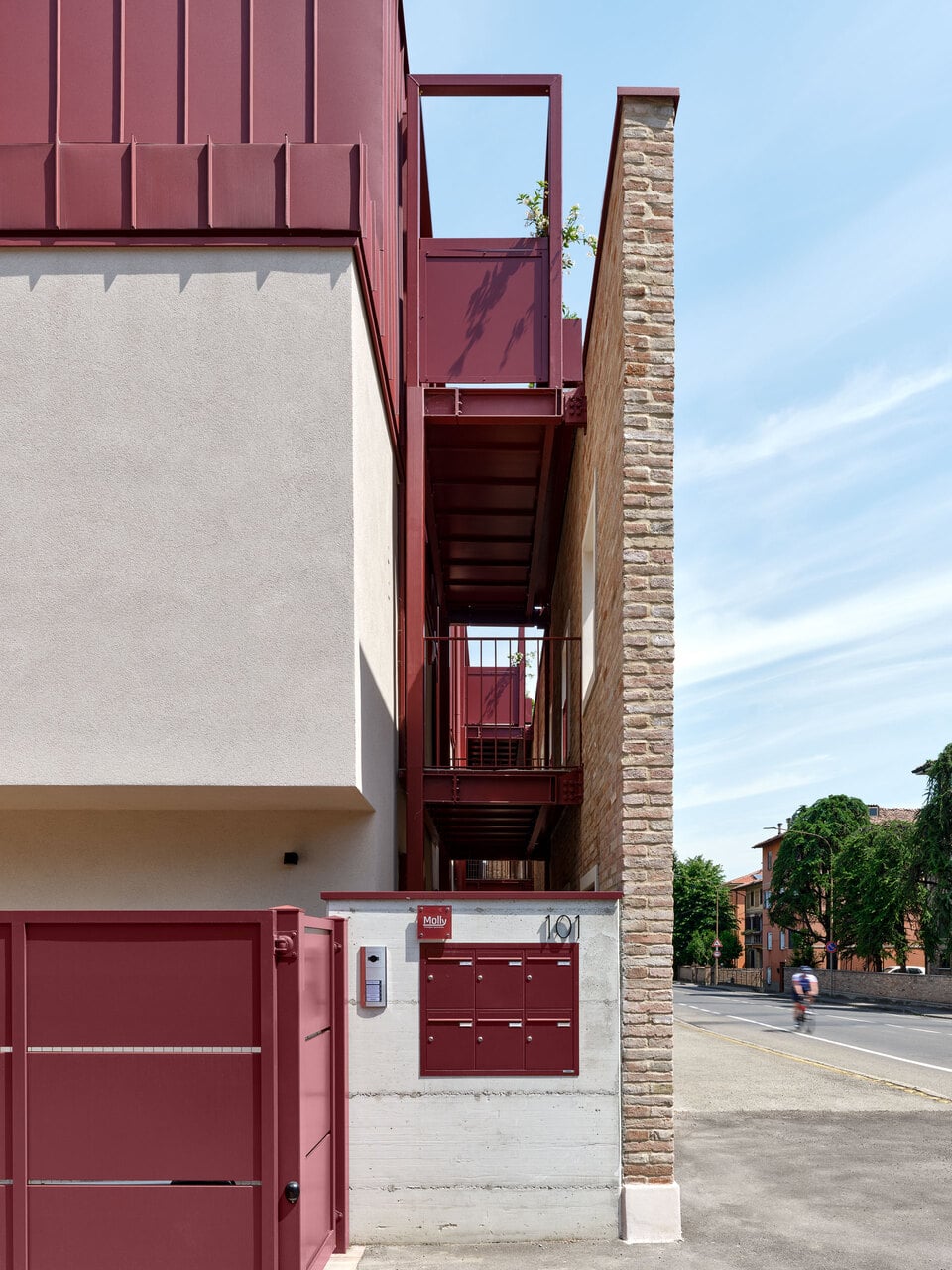
Completing this gesture of care and respect are the reinstated stone plaque inscribed with Molinella and the votive niche with its small Madonna, both identity markers that reaffirm the site’s visual continuity. Beyond its symbolic value, the wall also serves practical functions, maintaining the alignment of the façade along Via Giardini, acting as a noise buffer from street traffic, and creating a protected interspace that accommodates the balconies of the new units, a living threshold between public and private realms.
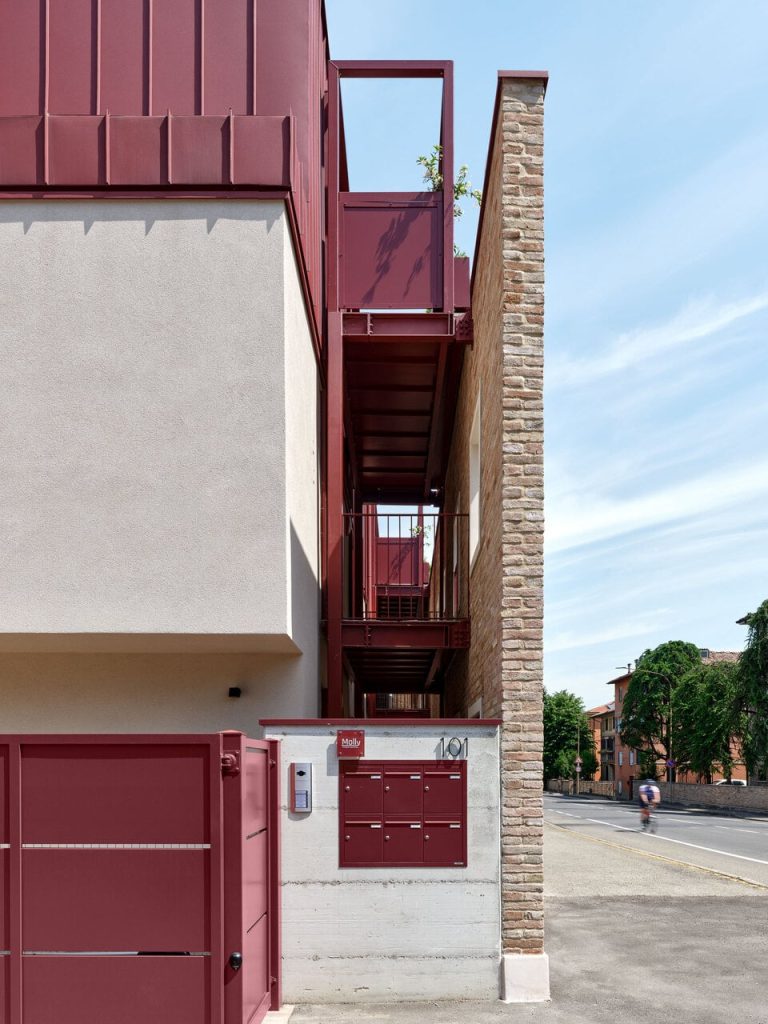
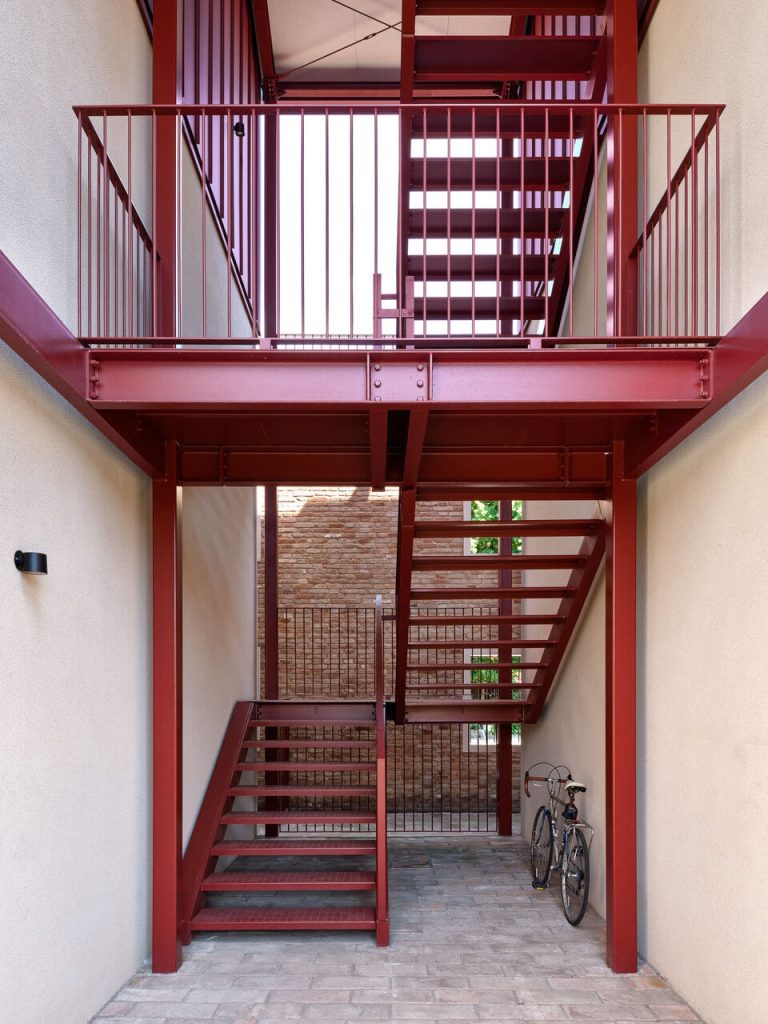
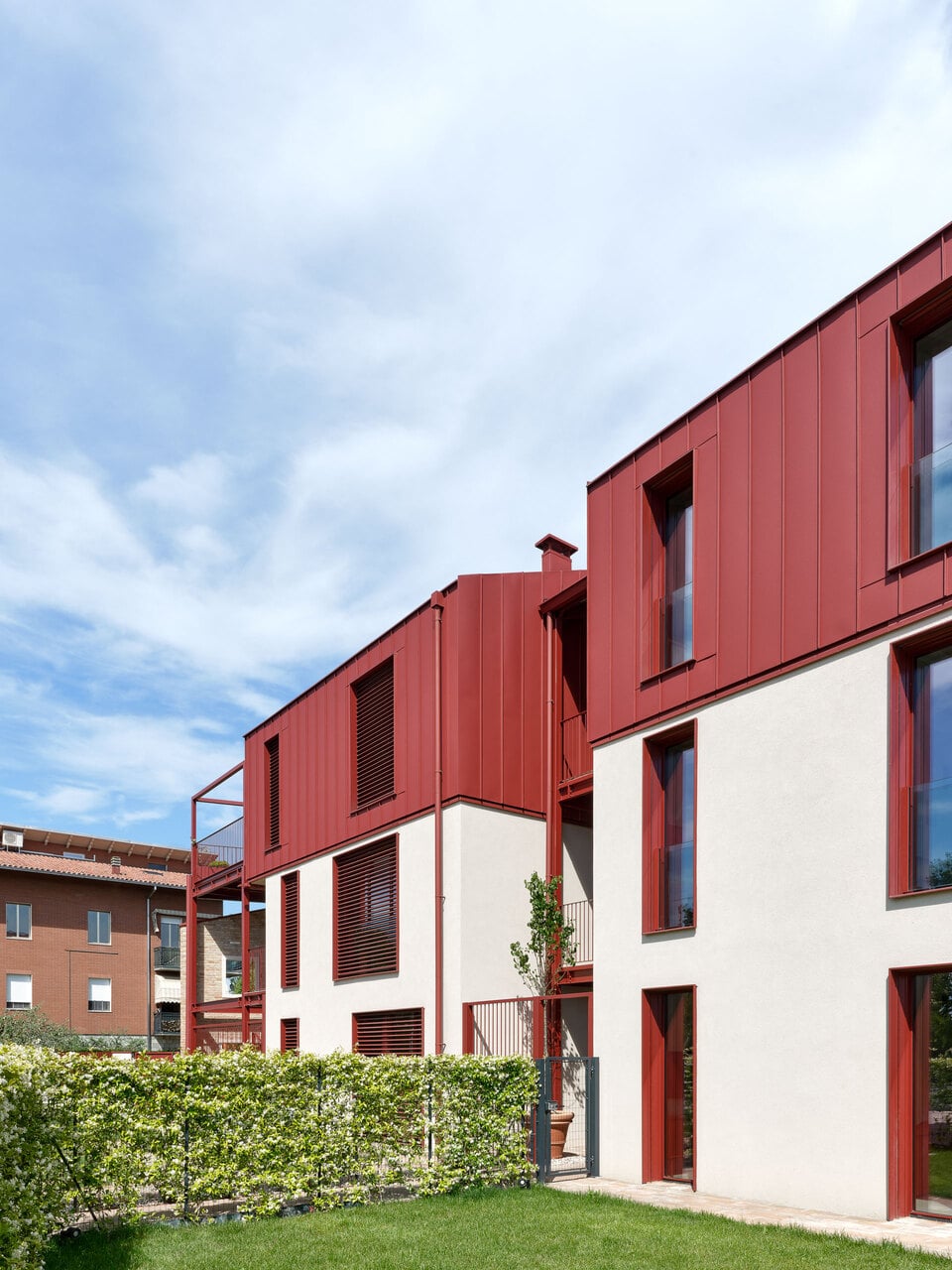
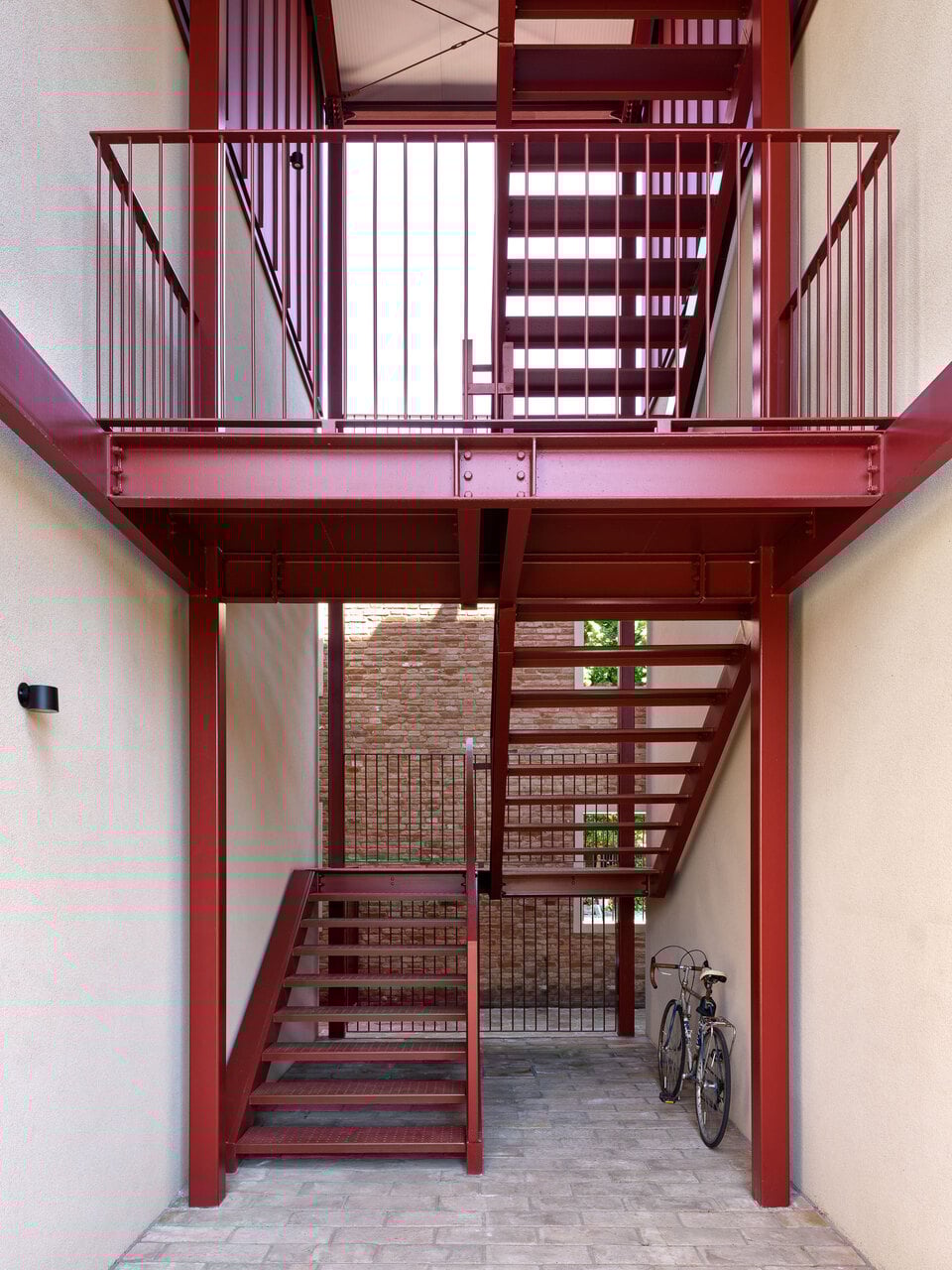
Behind the reconstructed historic façade of the La Molinella residential complex – rebuilt along its original footprint with salvaged historic bricks – three new residential volumes are articulated, echoing the site’s original layout. On an expressive level, the materiality of brick is juxtaposed with the essential clarity of the volumes and with the red-painted metal structures, which explicitly recall the architectural language of the region’s rural farm buildings. Here, color functions less as ornament and more as an identity code, anchoring the new intervention to its landscape.
From a construction perspective, the buildings were realized with an XLAM structural system, a choice that ensures sustainability, rapid assembly, and high energy performance. All elements were dry-assembled, a construction approach that minimizes environmental impact, facilitates potential future modifications, and guarantees flexible layouts along with excellent thermal and acoustic performance.
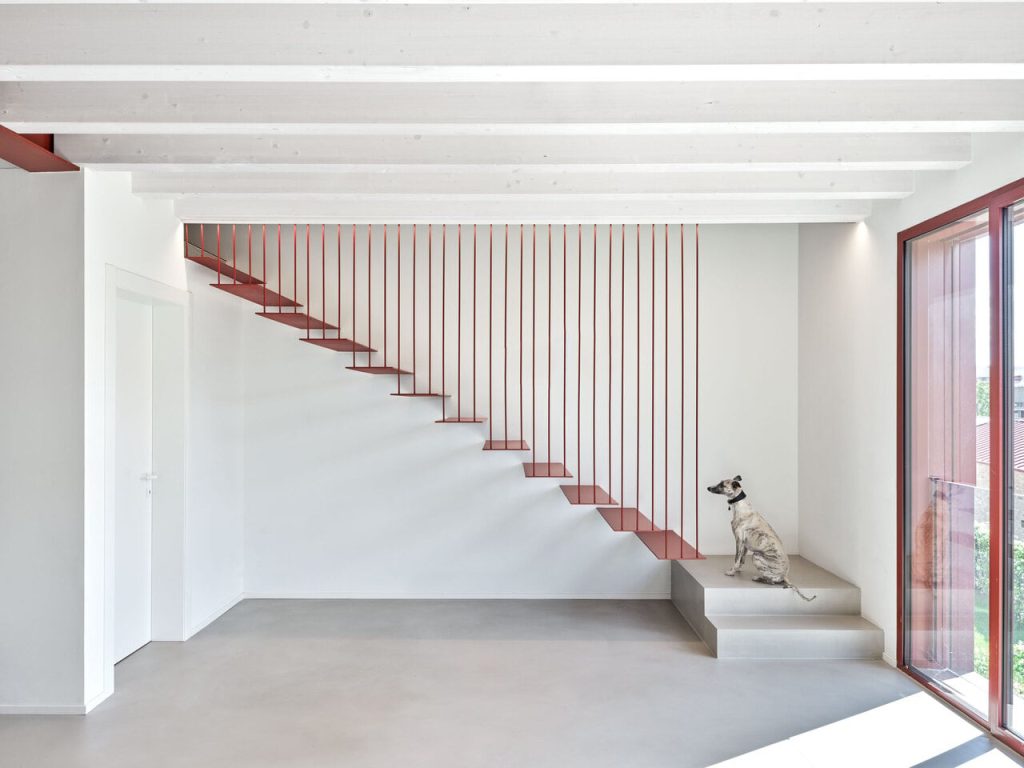
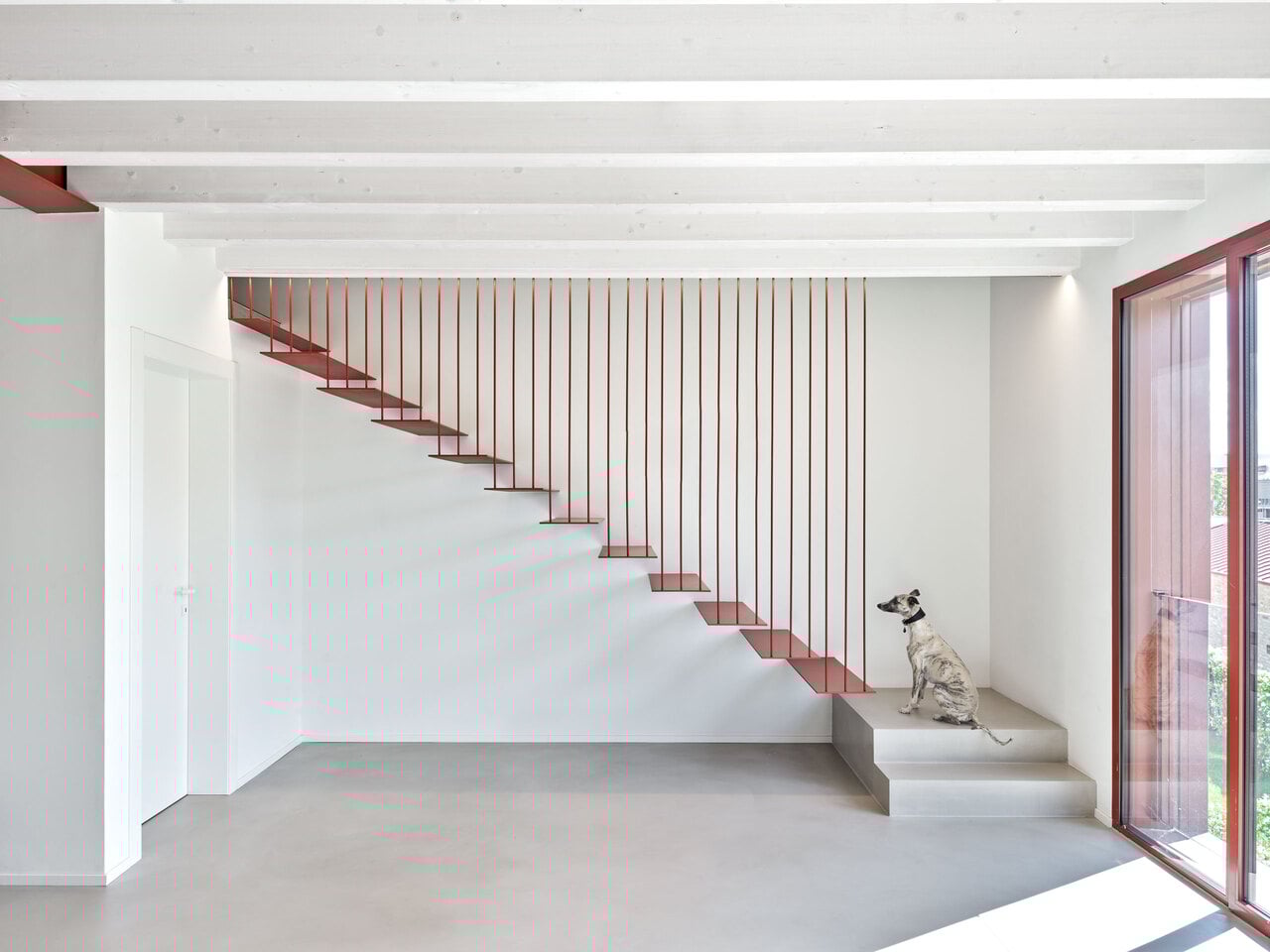
The buildings operate entirely on electric power supported by photovoltaic panels and energy storage systems, while layered insulation solutions and high-performance windows provide optimal thermal and acoustic comfort. The use of structural timber and of metal structures for balconies and staircases reflects the intent to create a light, reversible, and sustainable architecture. Attention to detail and the reuse of materials highlight both the aesthetic and ethical dimensions of the project: the terracotta tiles from the old floor slabs were salvaged and repurposed in walkways and balconies, establishing a tangible link to the site’s material past.
These details make the complex not only sustainable but also profoundly rooted in historical and sensory continuity. The theme of memory – of pre existing forms and materials – emerges as the deepest interpretive key of the La Molinella project. By engaging with both the material and immaterial heritage of the place, the intervention transforms a contemporary residential complex into an architecture that actively dialogues with its past, bringing forth new ways of living without relinquishing respect for shared memory.