Mass Design Group
Abundant Futures IQD 79
BIOGRAPHY
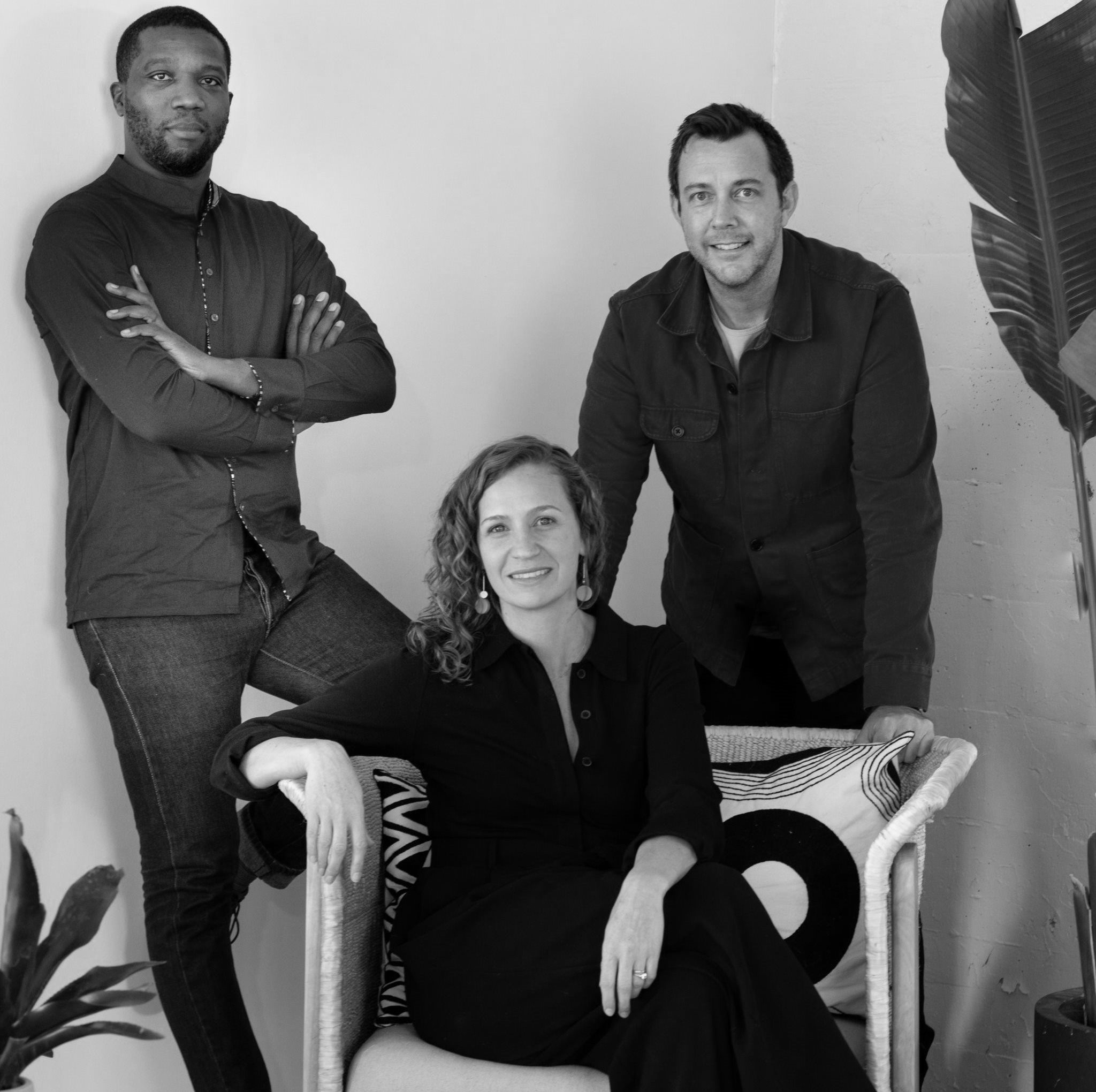
MASS Design Group is an important collaborative, non-profit research-driven architecture and design studio committed to creating impactful, humane, and socially responsible spaces. Co-founded in 2008 by principals Michael Murphy and Alan Ricks, AIA, MASS – an acronym for Model of Architecture Serving Society – has grown into a 120-person collective composed of architects, landscape architects, engineers, furniture designers, writers, activists, and filmmakers. Based in Boston, the firm has offices in Poughkeepsie (New York), Santa Fe (New Mexico), and Kigali (Rwanda). Stewarded by the three Directors Alan Ricks, Christian Benimana and Patricia Gruits, this global team is renowned for projects that integrate rigorous design thinking with ethical imperatives, particularly in the fields of health, education, civic infrastructure, and community development. MASS employs research, evidence-based design, and interdisciplinary collaboration to address systemic inequalities and improve human dignity through the built environment. Its work includes internationally acclaimed buildings such as the Butaro Hospital in Rwanda, the National Memorial for Peace and Justice in the United States, and transformative educational and cultural facilities around the world. With a foundation in evidence-based research and a deep connection to the community, MASS begins each project by understanding its purpose and place. The result is architecture that carries the voices of those it serves and reflects the history and character of where it stands. The practice’s approach emphasizes local engagement, material intelligence, and sustainability, positioning MASS as a leader in architecture that seeks both social impact and design excellence.
Abundant Futures
The future is not a singular destination, it is shaped by the decisions we make every day. As we confront the converging crises of our time, from climate change and inequality to migration, biodiversity loss, and systemic health disparities, the built environment remains a powerful context in which we can respond. To seek abundance is to challenge the notion that we must choose between survival and flourishing, between ecological health and human dignity. It is to move beyond sustainability as simply mitigation, and toward regeneration of land, of culture, and of systems. In ecological terms, a species becomes abundant when it maintains a stable population that coexists in harmony with its surroundings. Achieving this balance means operating within limits, neither overexploiting resources nor becoming overly scarce. And then we map this concept more broadly, where it can also suggest social cohesion and reciprocal prosperity of our species, and in harmony with all others. Abundance is not excess, or opulence, but is a design ethic we can advance. This issue of IQD curated by MASS brings together a range of practices whose work we see as modeling this paradigm.
I