Architecture
Pujiang Viewing Platform: When Architecture Reshapes the Landscape
Architect:
MVRDV
Place:
Pujiang , China
Photographer:
© Arch-Exist
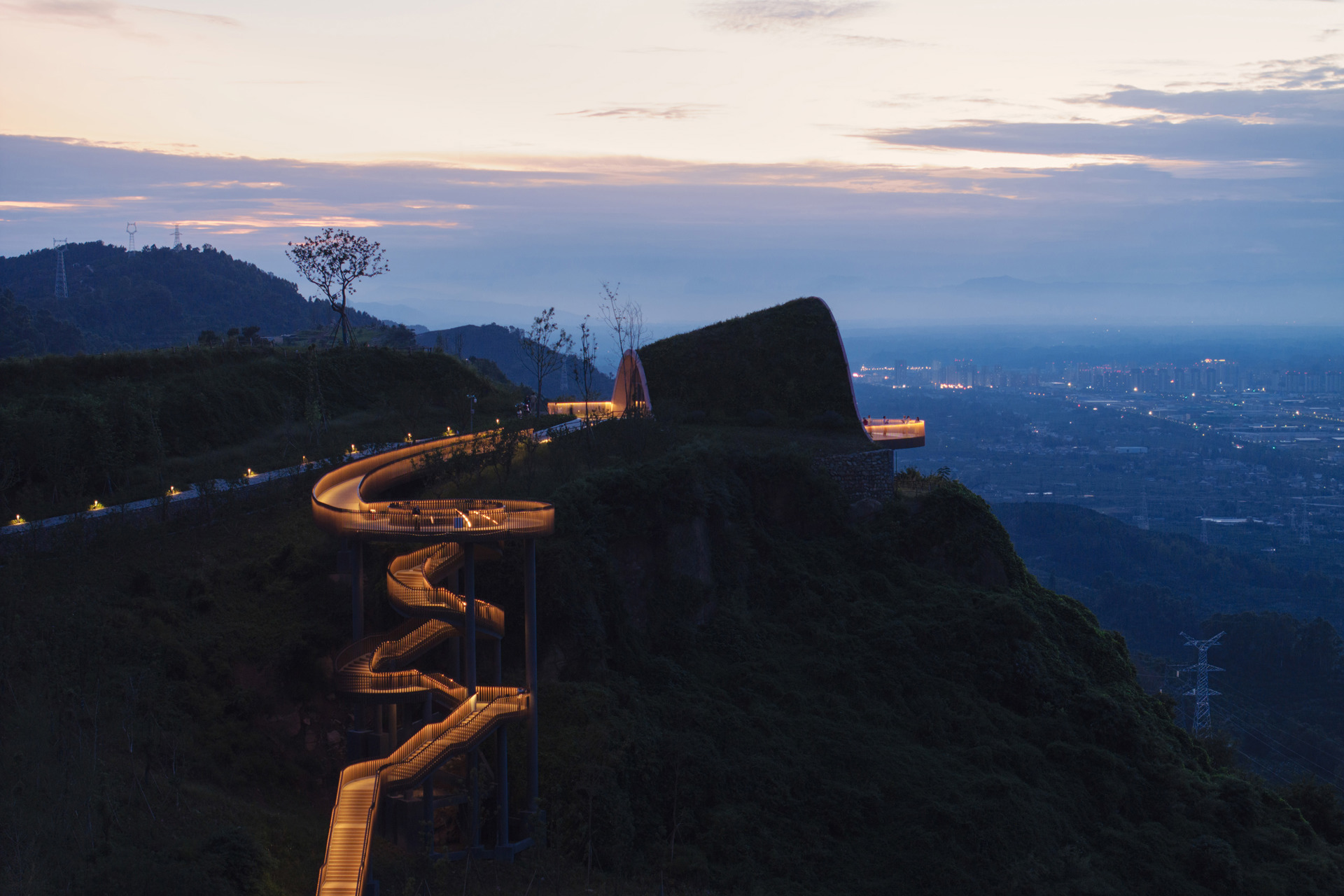
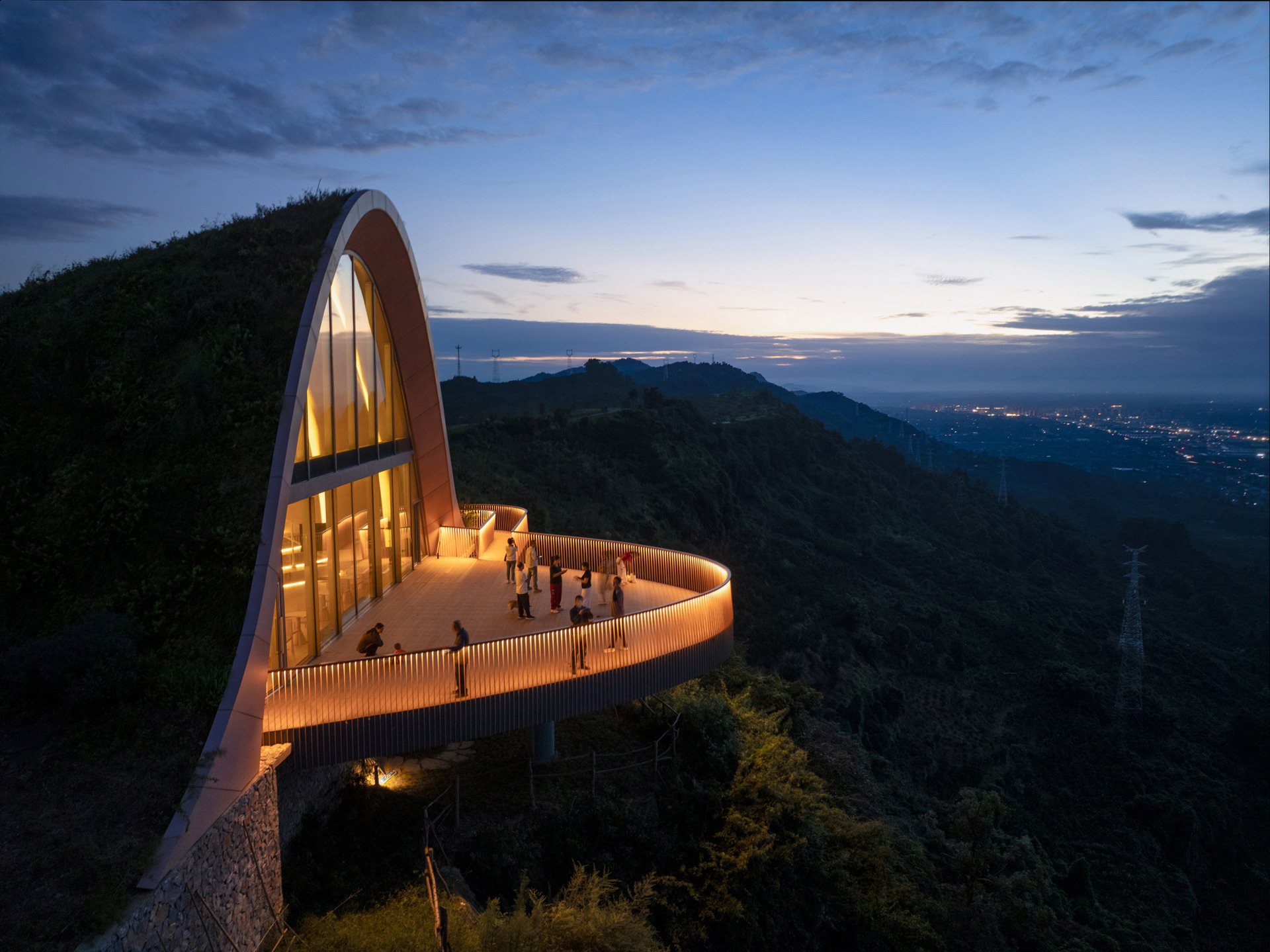
In the gentle, rolling landscape surrounding the emerging city of Pujiang, southwest of Chengdu, Dutch studio MVRDV has completed an intervention that goes beyond construction to engage directly with the terrain itself: the Pujiang Viewing Platform. Conceived as both a panoramic pavilion and an event space, the project redefines the act of looking, embedding architecture within the natural environment rather than placing it upon it.
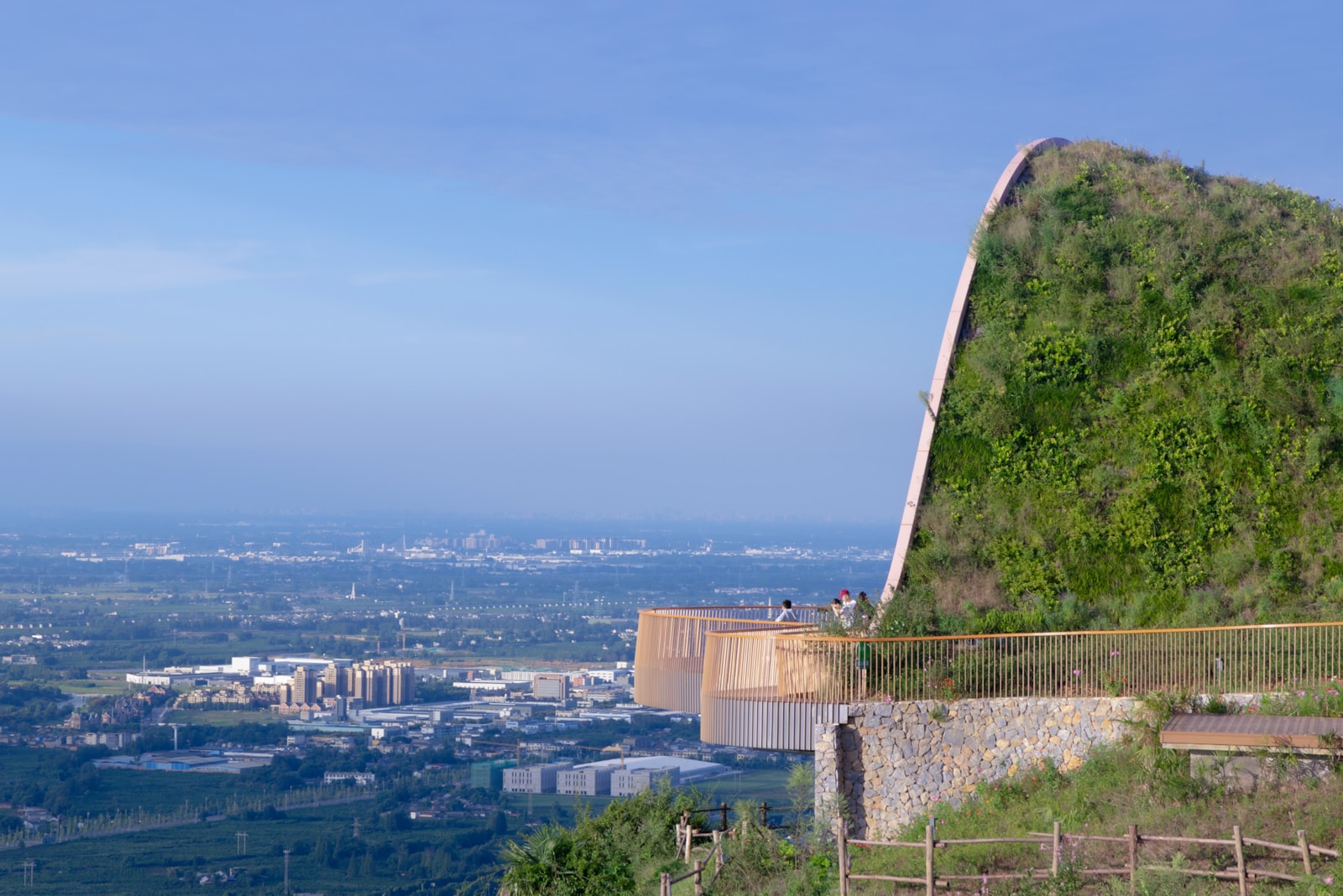
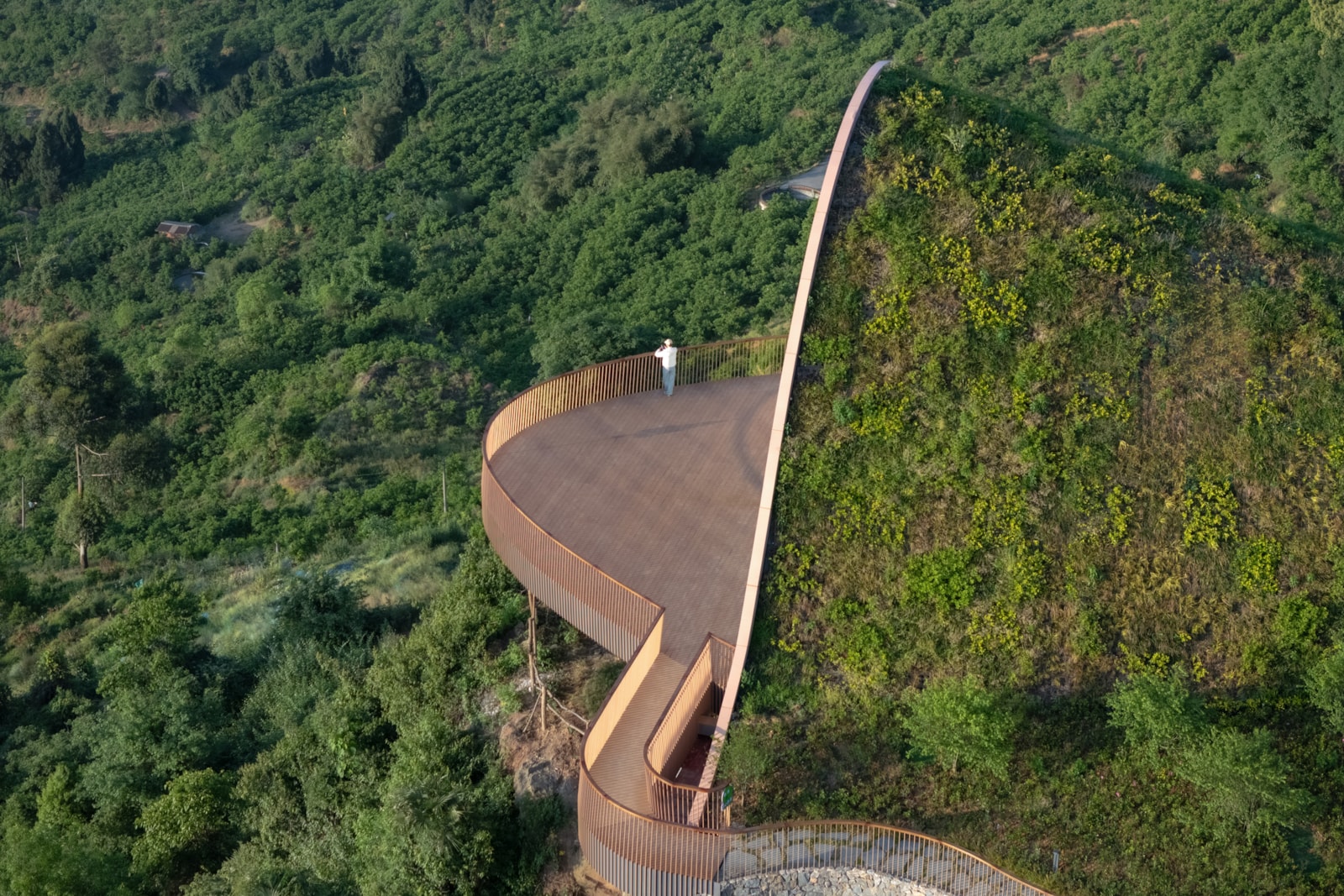
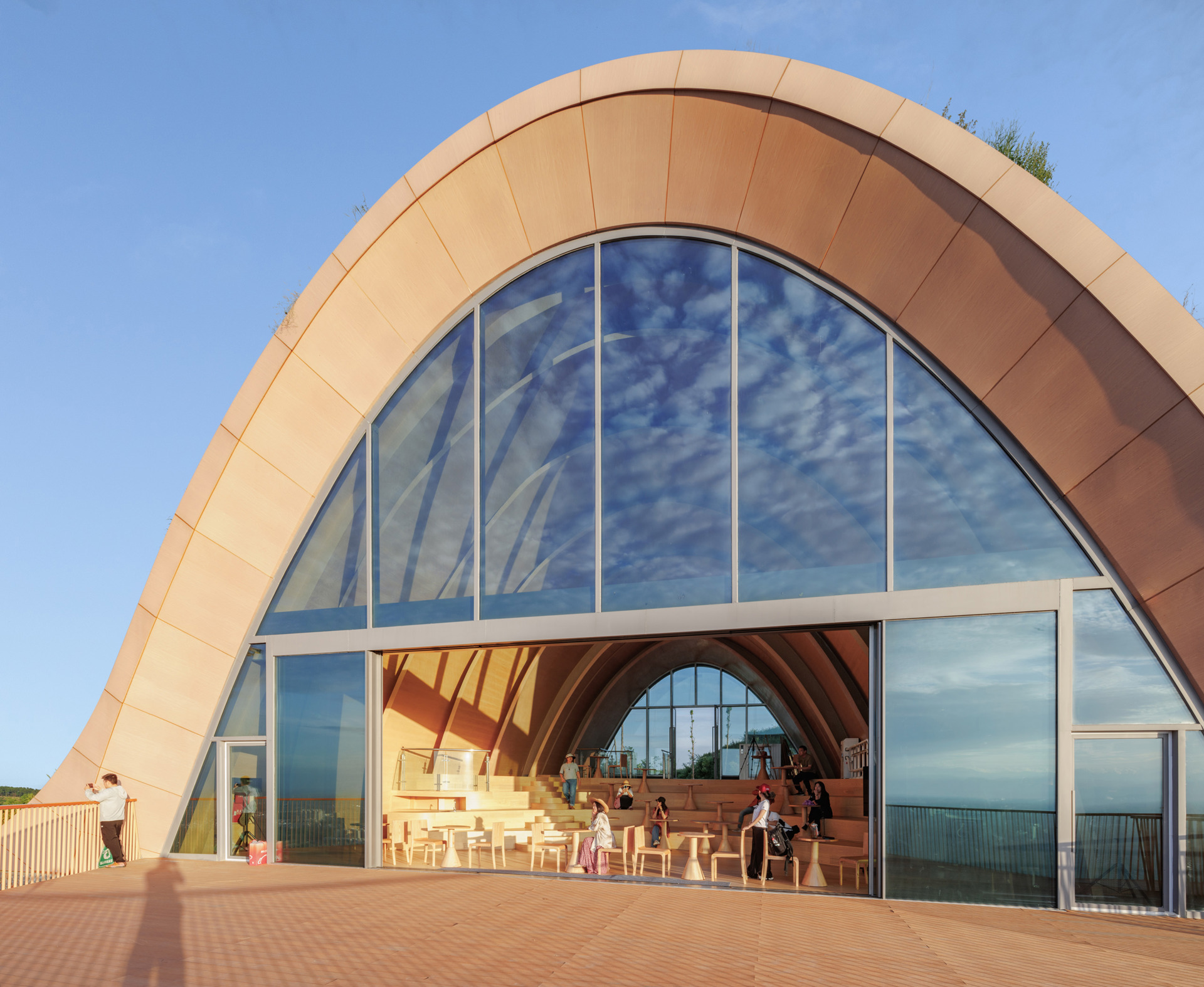
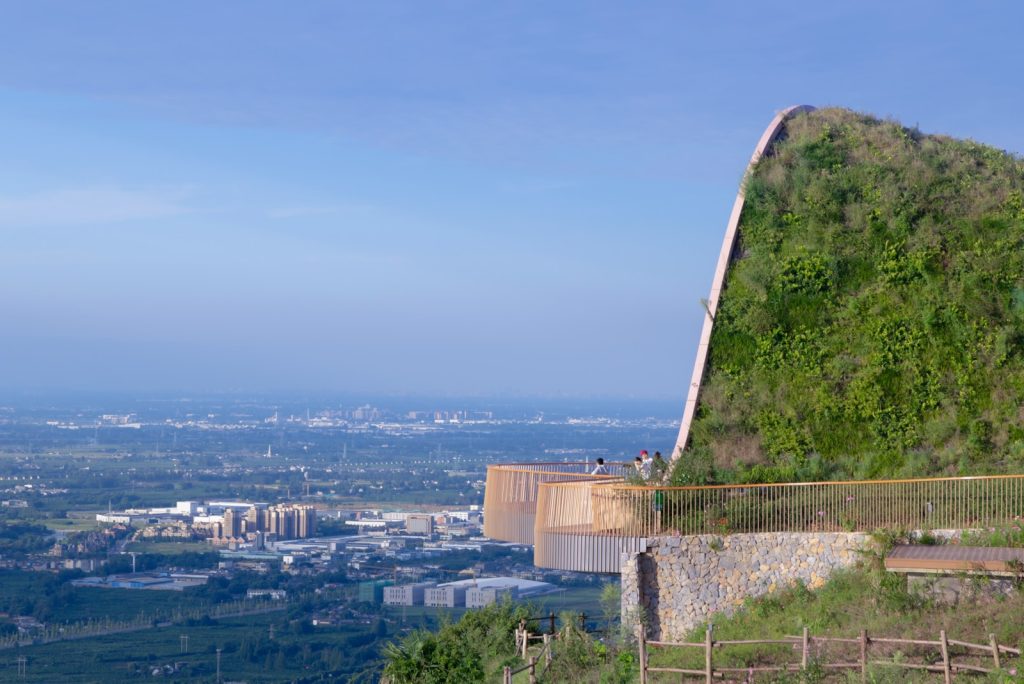
The site had long hosted an observation point overlooking the surrounding hills and the distant Qionglai Mountains. However, the original hilltop had been artificially flattened to accommodate the previous structure. MVRDV’s response was not to simply replace the building, but to conceptually restore the lost topography. The 414-square-metre pavilion takes the form of a curved timber volume wrapped in earth and vegetation, reconstructing the silhouette of the hill and re-establishing a continuous dialogue between built form and landscape.
Architecture as Landscape
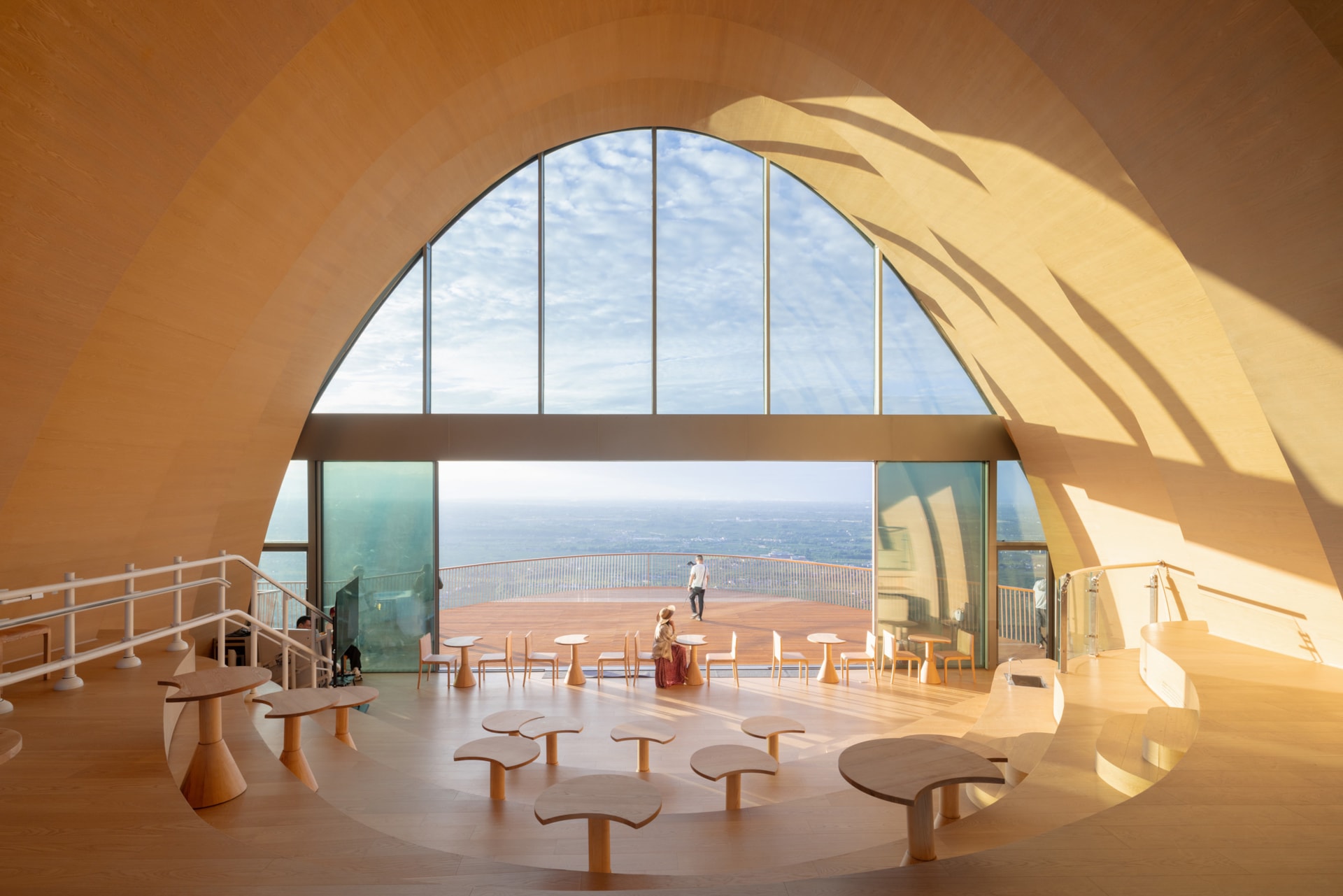
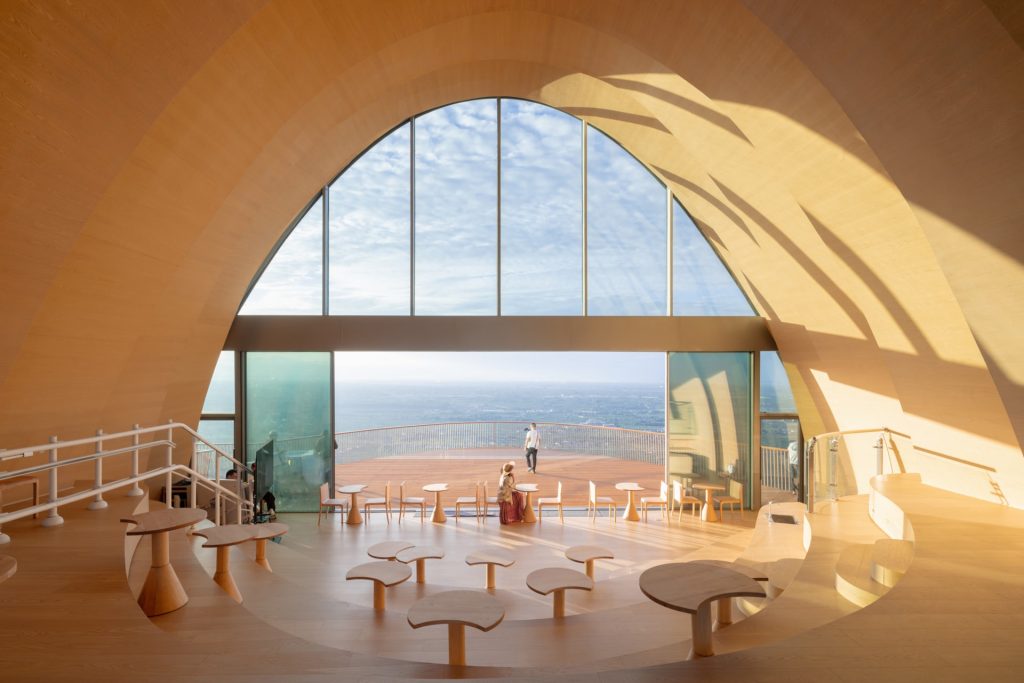
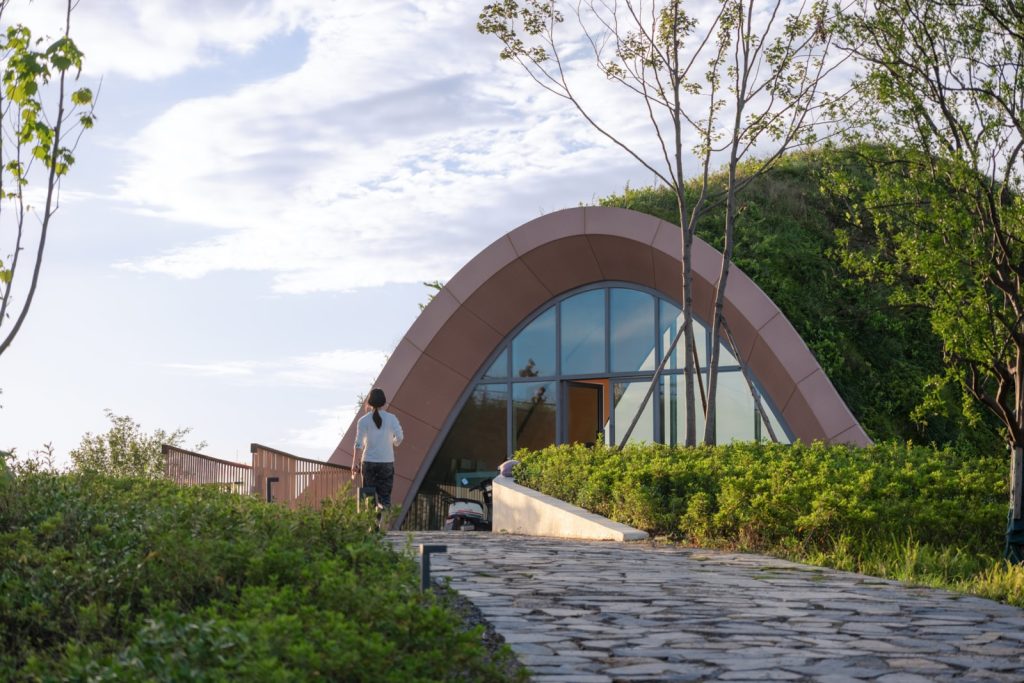
The Viewing Platform is shaped by a sequence of telescopic timber arches, covered by a planted berm of soil and native greenery. This gesture softens the visual impact of the building, allowing it to merge seamlessly with its surroundings rather than assert itself as an object. At the valley-facing side, a dramatic 10-metre-high glass façade frames expansive views and opens onto a projecting balcony, transforming the pavilion into a natural stage for gatherings, performances, weddings, and public events. The entrance remains deliberately understated: a recessed glass opening carved into the berm leads into an interior that follows the natural slope of the terrain. As the floor gently descends and the roofline rises, the space takes on the character of an amphitheatre—an architectural device that invites contemplation while fostering collective experience.
Bio-Based Materials and Environmental Strategy
The Pujiang Viewing Platform does not merely reference nature—it actively embraces it. The choice of timber as the primary structural material is both symbolic and pragmatic. In a Chinese context where large-scale bio-based construction is still relatively uncommon, the project serves as a demonstrative model of low-carbon building practice.The vegetated roof provides insulation and thermal mass, mitigating internal temperature fluctuations. Natural ventilation strategies, carefully oriented glazing, geothermal heat pumps, and rainwater collection systems further contribute to reducing the building’s operational emissions. Sustainability here is not an added layer, but an intrinsic component of the architectural concept. In this sense, the pavilion becomes more than a viewing point: it is a pedagogical space, communicating environmental awareness through direct spatial experience.
A New Landmark for a Growing City
The Pujiang Viewing Platform stands as both symbol and synthesis of the city’s cultural and urban development. By day, its curved form appears to rise organically from the hillside; by night, the illuminated interior glows softly through the glass façade, transforming the structure into a subtle beacon within the landscape. At a time when sustainability can no longer function as a mere adjective but must represent a tangible design responsibility, MVRDV’s project redefines the typology of the belvedere. No longer just a place to observe nature, it becomes an immersive environment in which nature itself is the protagonist—and architecture its quiet collaborator.