Architecture
From Parking Lot to Home: A Sustainable Social Housing Project in Paris
Architect:
NZI Architectes
Place:
Paris
Year:
2025
Photographer:
Frédéric Delangle
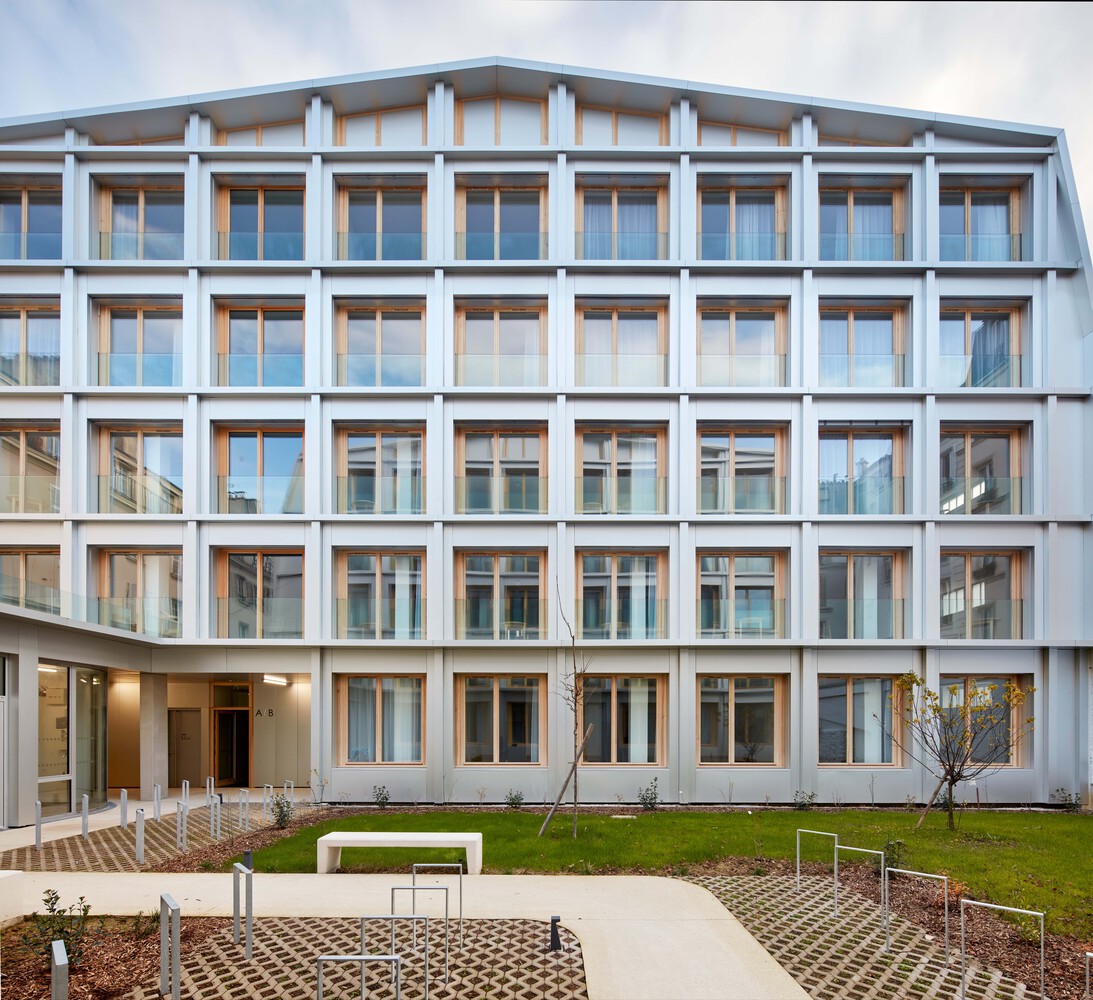
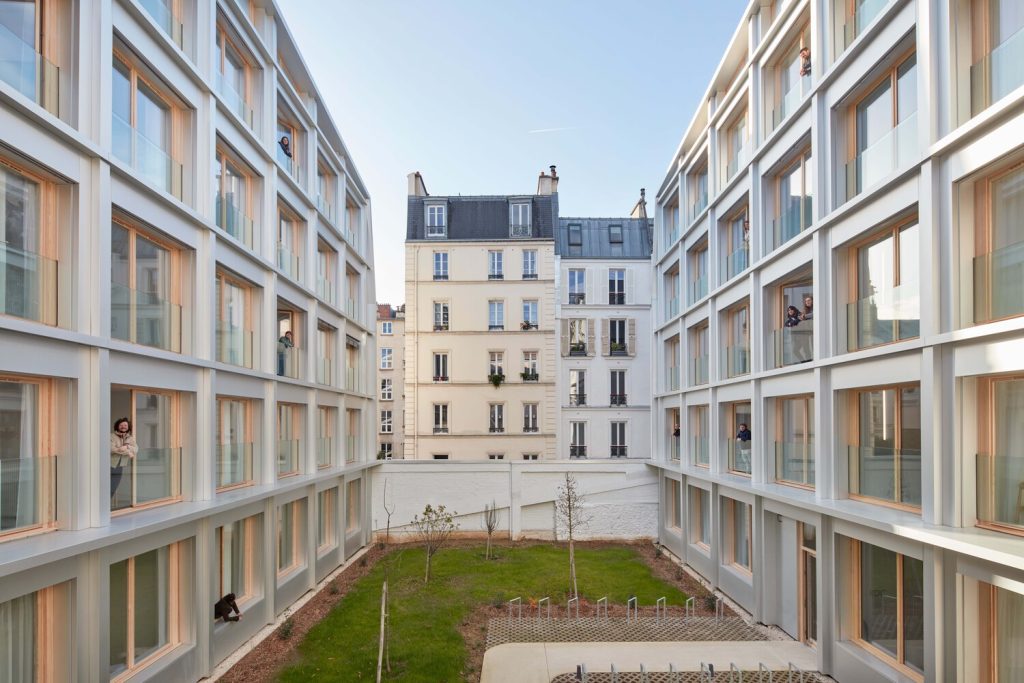
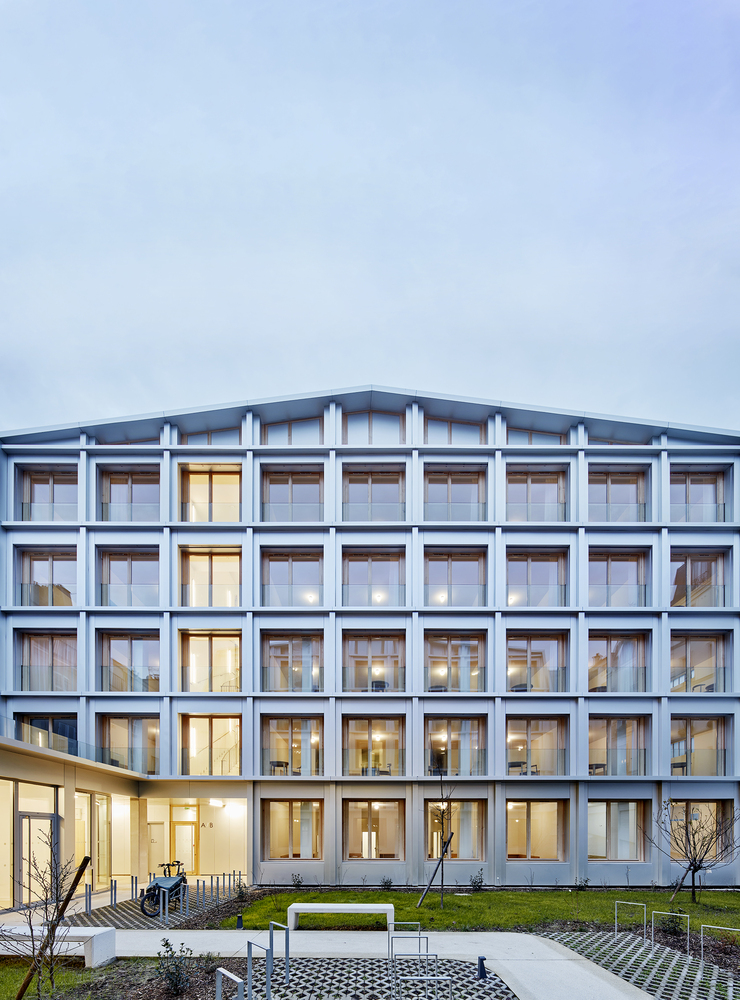
In the heart of the 17th arrondissement of Paris, among tree-lined streets and inner-city courtyards, one of the most compelling examples of contemporary urban regeneration has taken shape: the transformation of an obsolete parking structure into a social housing complex of around 80 apartments. Designed by NZI Architectes in collaboration with Régie Immobilière de la Ville de Paris (RIVP), the project brings together sustainability, social responsibility, and architectural quality in a coherent and forward-looking vision.
Rethinking the Existing City
At the core of the project lies a clear and ambitious decision: rather than demolishing and rebuilding, the architects chose to reuse and enhance the existing structure. The former multi-storey garage, once obsolete and underutilized, now serves as the structural backbone of a new residential complex.
This approach offers two major advantages:
- a significant reduction in environmental impact, avoiding the carbon costs of new construction;
- the preservation of urban memory, integrating a former infrastructure into the contemporary residential fabric.
By prioritizing transformation over replacement, the project reflects a growing awareness of the importance of working with the existing city.

An Environmentally Conscious Social Residence
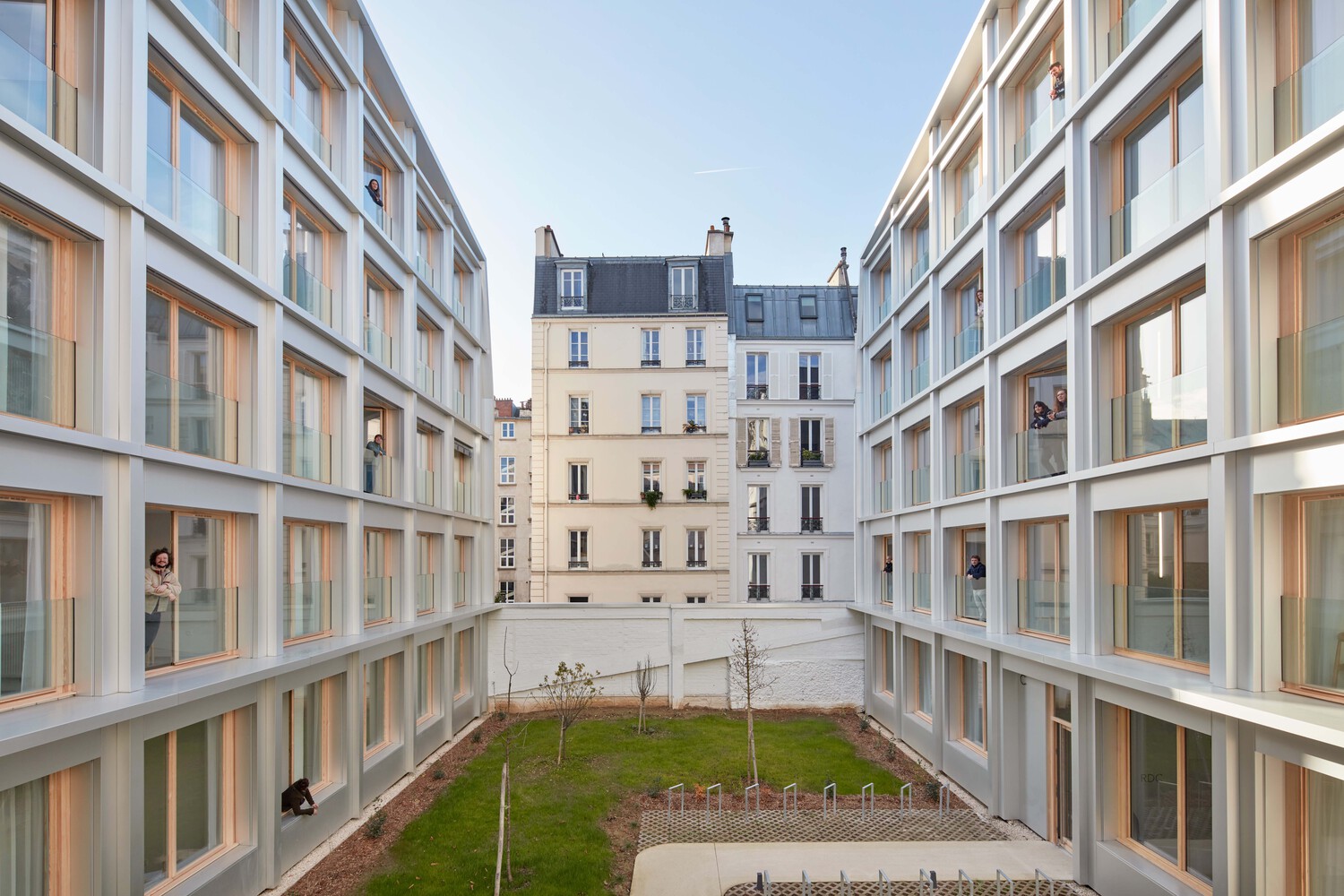
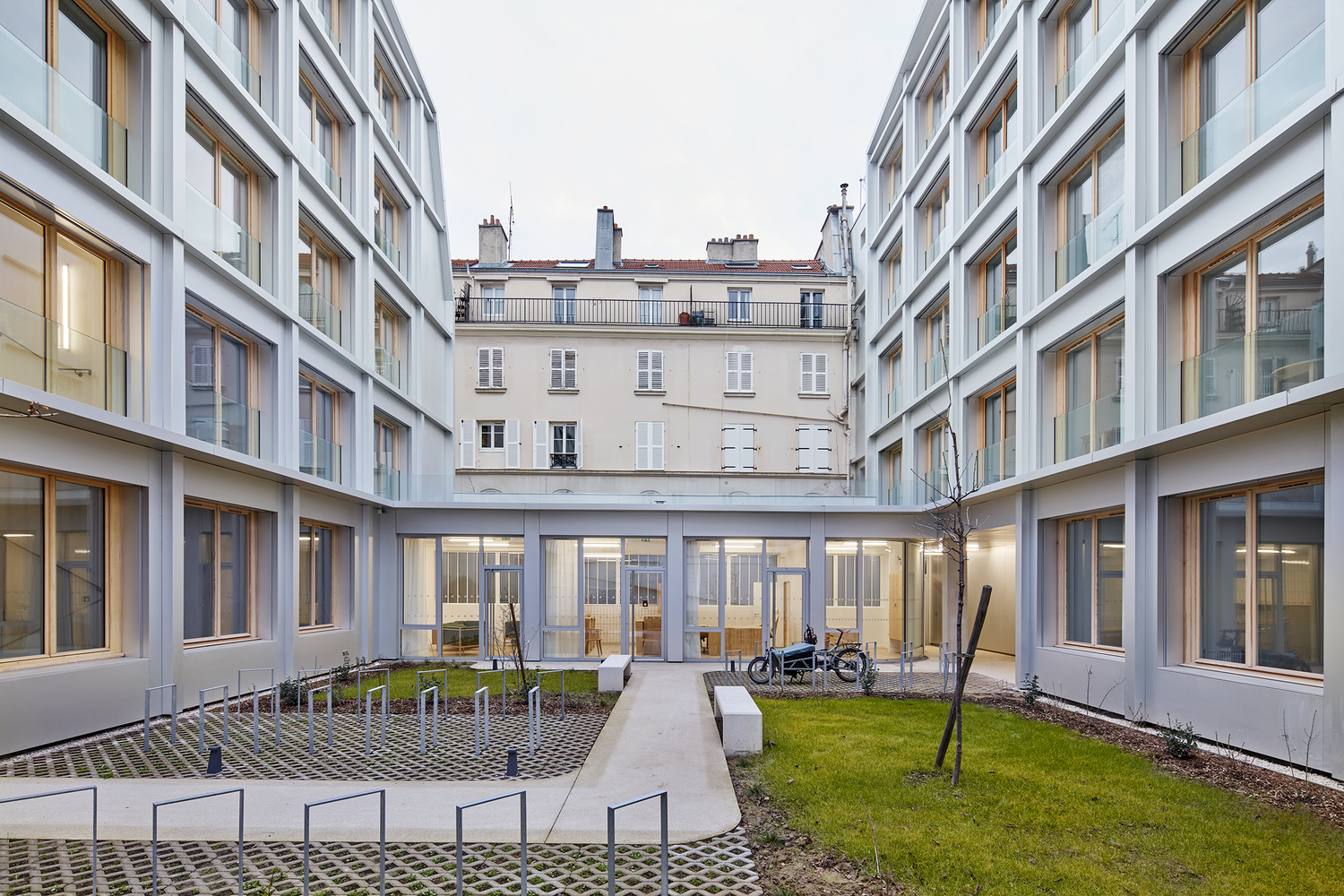
The new development accommodates approximately 80 social housing units, arranged around a central landscaped courtyard that acts as the heart of the project. This open space ensures generous daylight, improves natural ventilation, and creates visual and social connections among residents.
From an environmental perspective, the building stands out for:
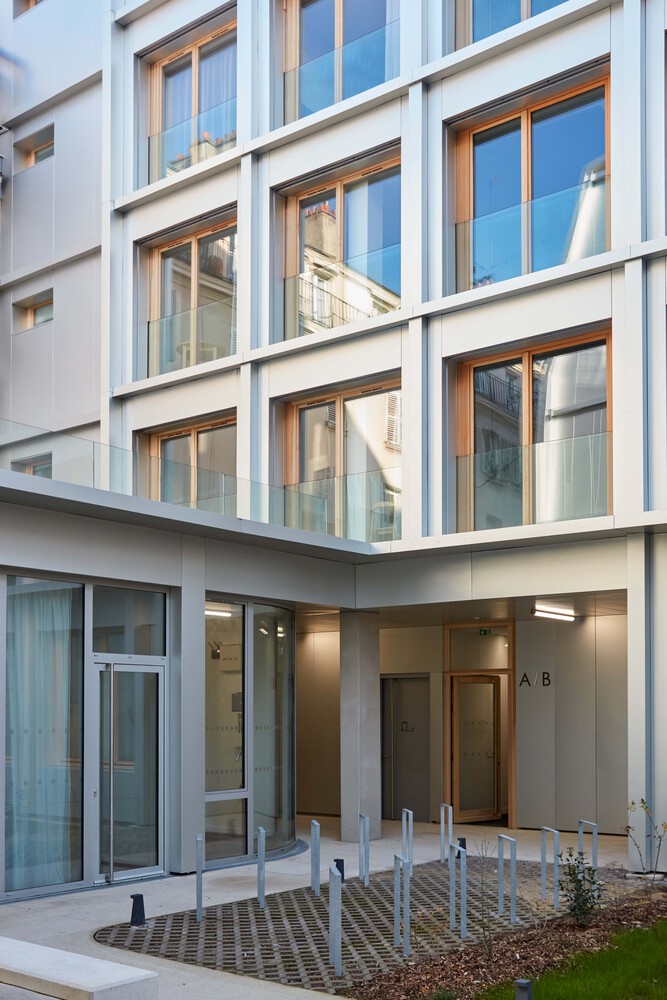
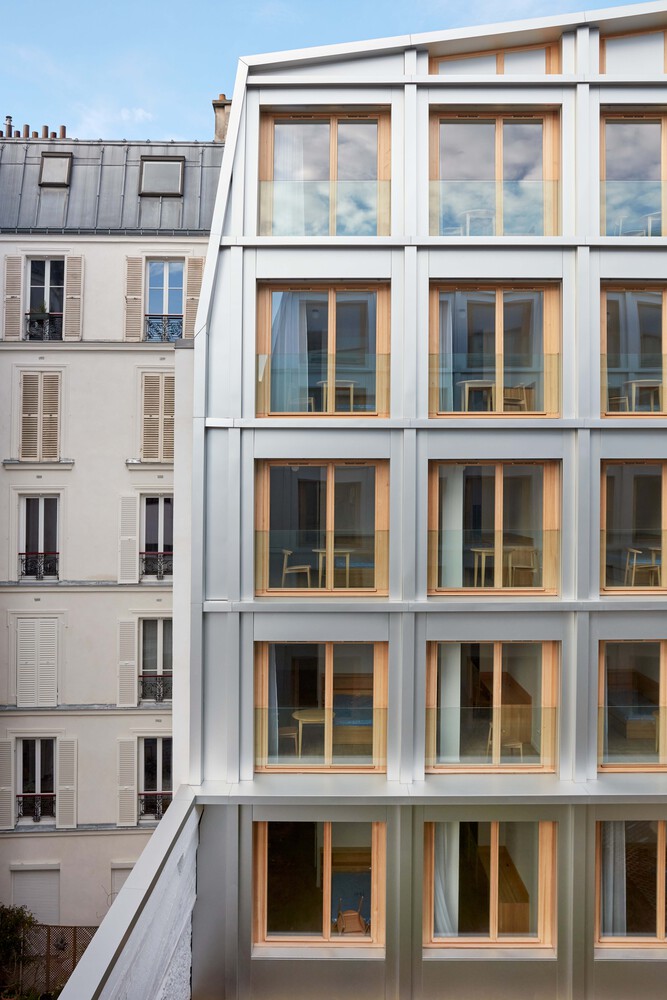
- the use of bio-based materials, such as cross-laminated timber (CLT) and natural insulation;
- the retention and reinforcement of the original structural framework;
- high standards of energy efficiency, in line with certifications such as NF Habitat BBC Effinergie.
These strategies go beyond technical performance: they represent a concrete response to climate challenges in the construction sector, significantly reducing embodied carbon and operational energy consumption.
Architecture and Quality of Living
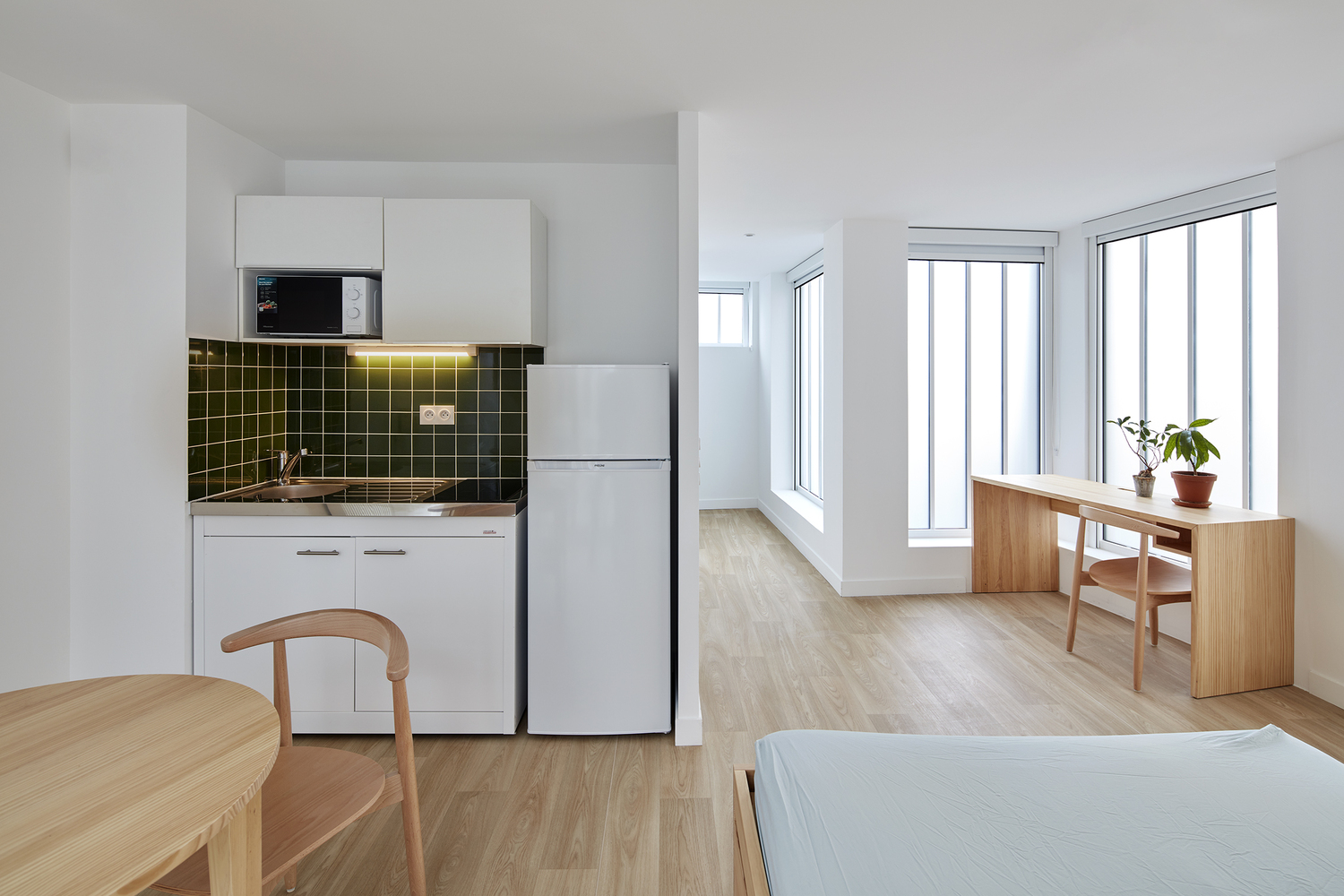
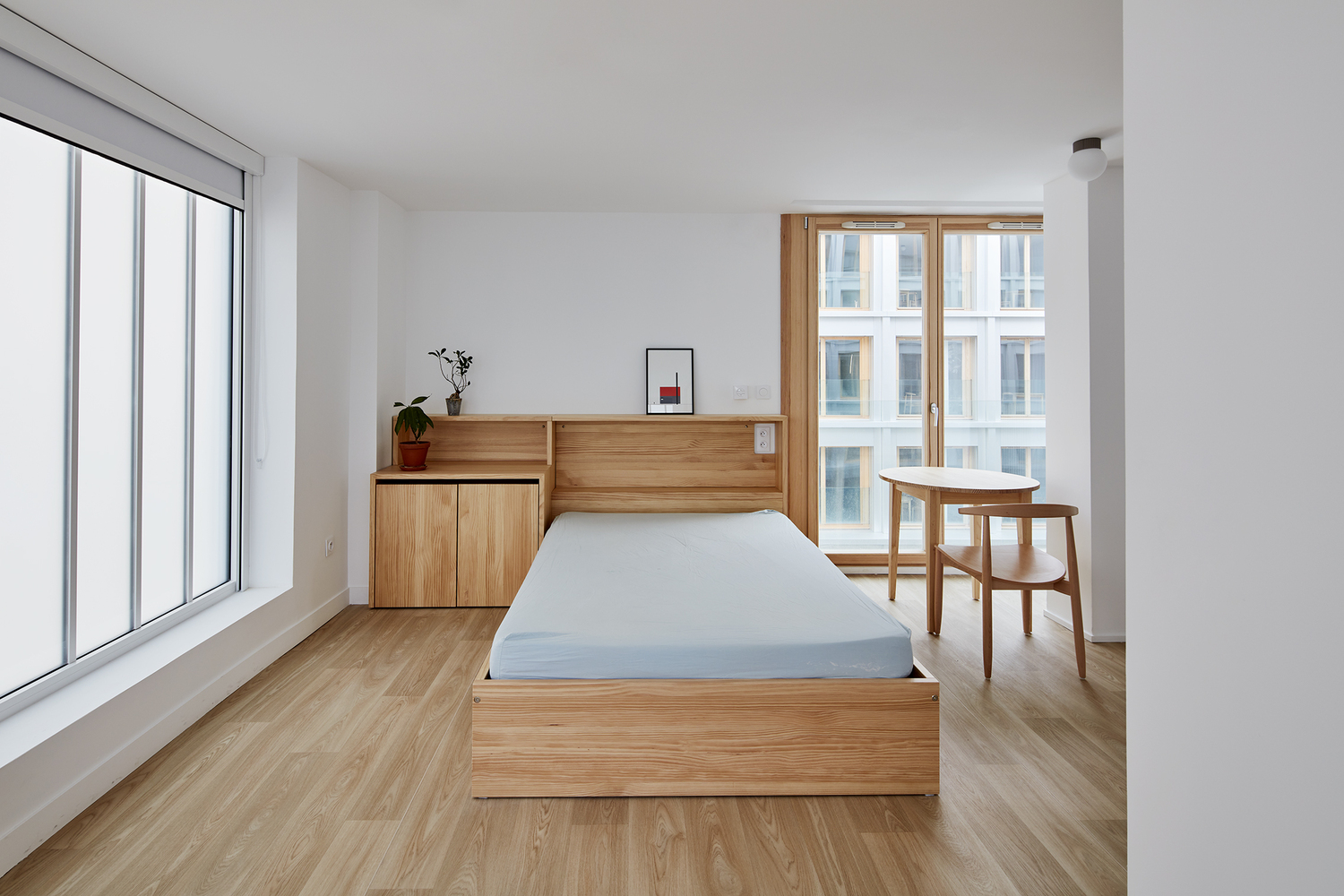
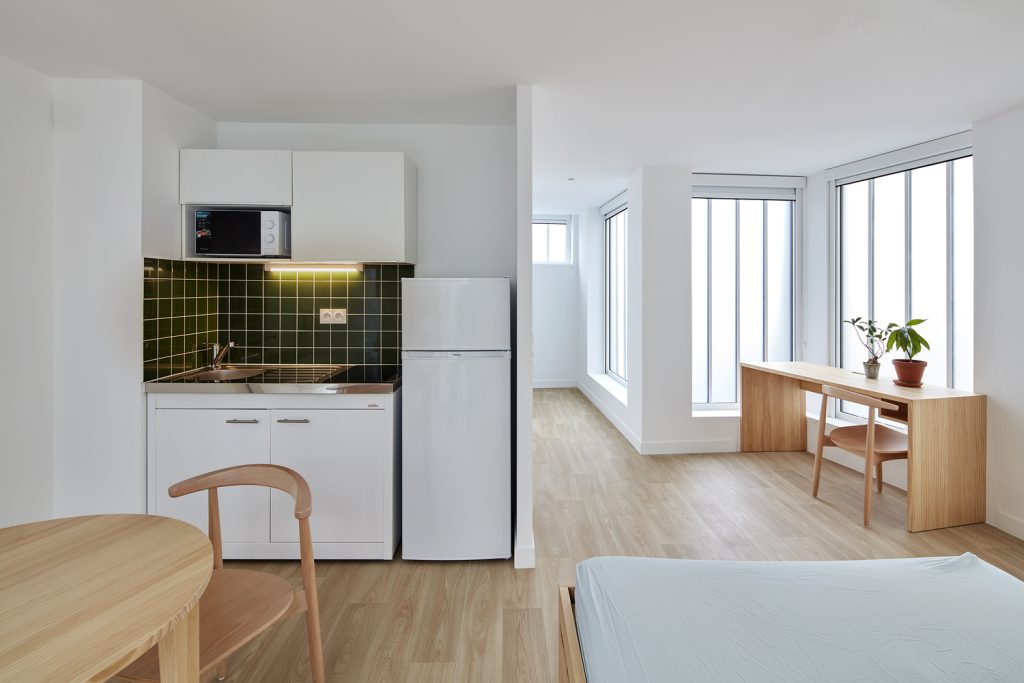
Beyond its technical achievements, the project places strong emphasis on everyday comfort and well-being. Despite the constraints imposed by the former parking structure, the architects succeeded in creating living spaces that are:
- functional and adaptable,
- well connected to the central courtyard,
- oriented to maximize natural light and solar exposure.
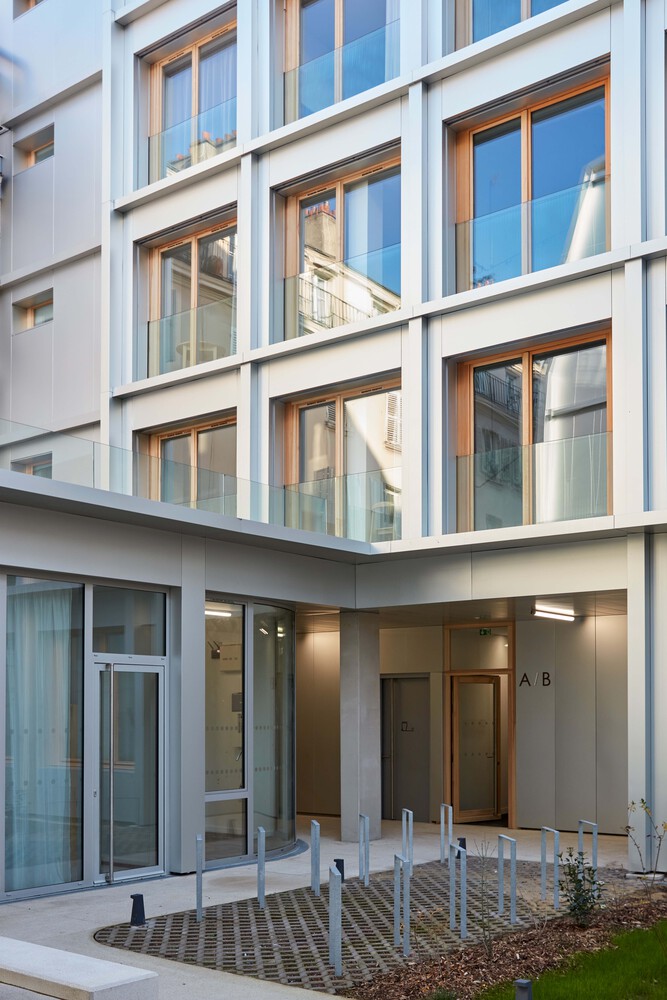
Shared facilities — circulation spaces, green areas, bicycle storage, and service rooms — are carefully integrated into the overall layout, fostering a sense of community and encouraging social interaction.
The result is a compact yet generous micro-urban environment where architecture supports both privacy and collective life.
A New Model for Social Housing
This Parisian transformation is not an isolated experiment, but rather a replicable model for European and international cities. At a time when urban areas are facing:
- declining dependence on private cars,
- growing demand for affordable housing,
- urgent environmental constraints,
the conversion of parking structures into residential buildings emerges as a powerful and realistic strategy.
The project demonstrates how underused infrastructures can become valuable social and ecological resources.
Conclusion
The transformation of a former parking garage into social housing by NZI Architectes shows that urban regeneration can be intelligent, sustainable, and socially inclusive. Turning a space once dedicated to cars into a place for living is both an architectural and civic statement.
This project responds to real housing needs while addressing environmental responsibility and urban quality. It stands as a compelling example of how cities can reinvent themselves — not through expansion, but through thoughtful transformation of what already exists.