Design
Alis: Architecture Becomes Furniture. Park Associati’s Project for Fantoni
Architect:
Park Associati
In today’s design landscape for office environments, increasingly focused on flexibility, comfort, and spatial identity, Alis stands out as a virtuous example of dialogue between architecture and product design. Created through the collaboration between Park Associati and Fantoni, the system translates architectural principles into functional, elegant, and long-lasting furniture.
Presented at the Salone del Mobile in Milan, Alis fits into Fantoni’s ongoing research on contemporary workplaces, proposing a vision in which furniture is not merely an operational tool, but an integral part of spatial construction.
A Project Rooted in Architecture
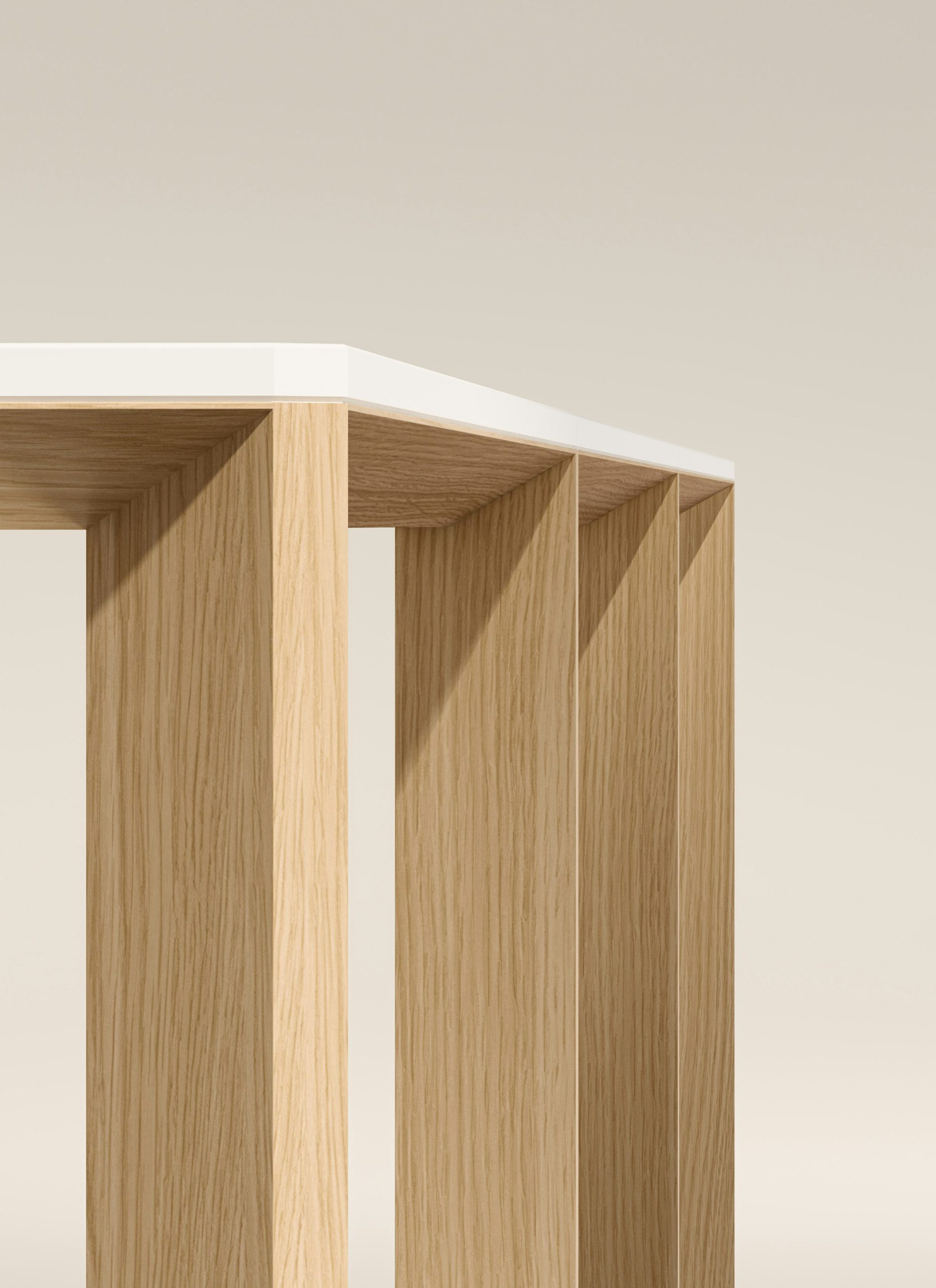
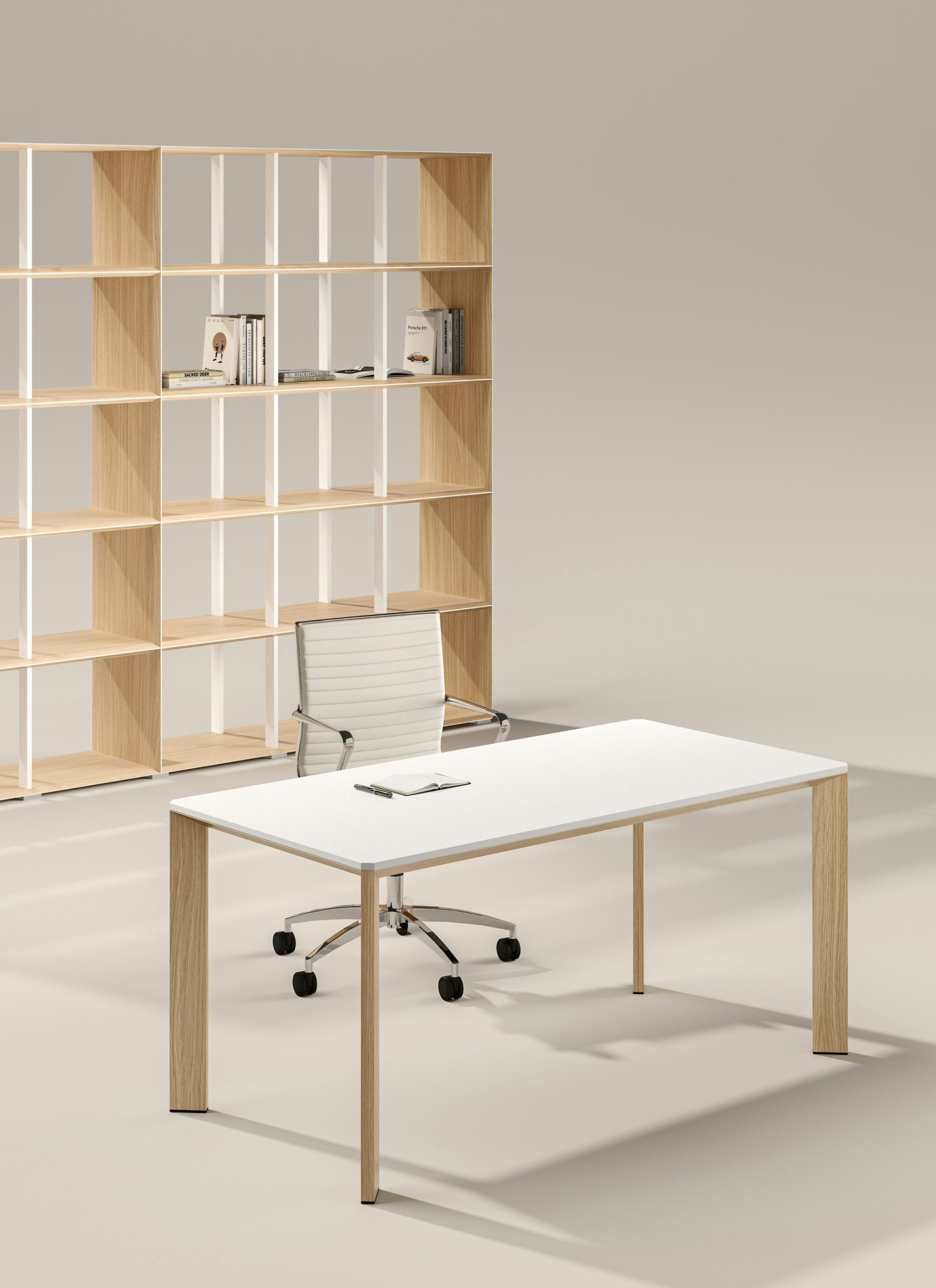
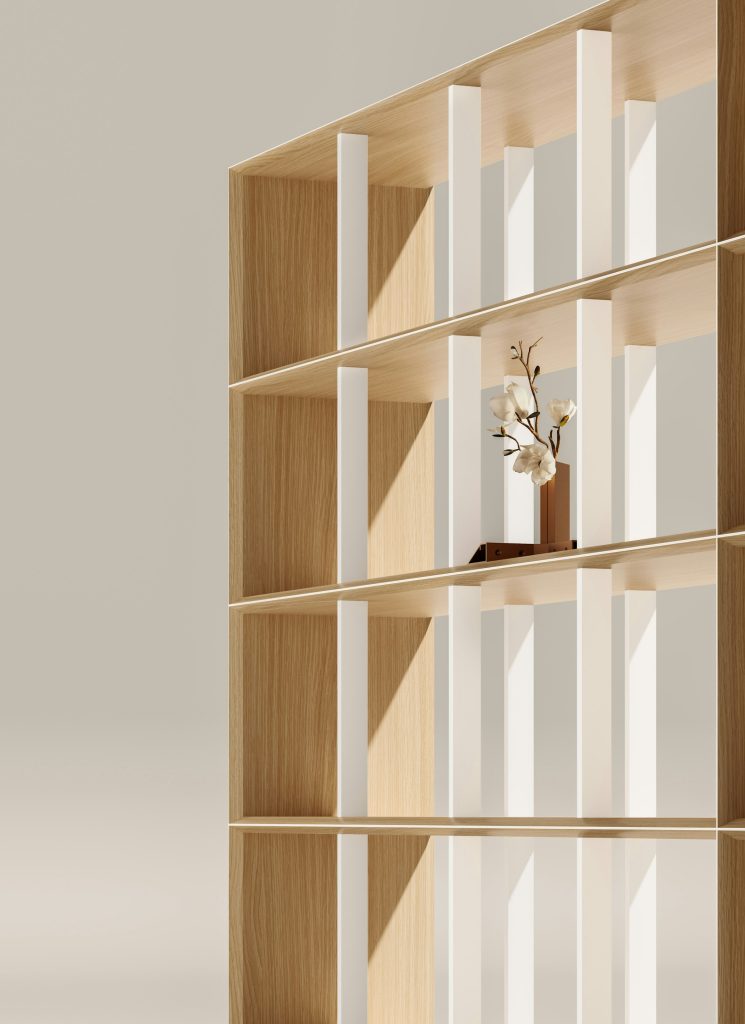
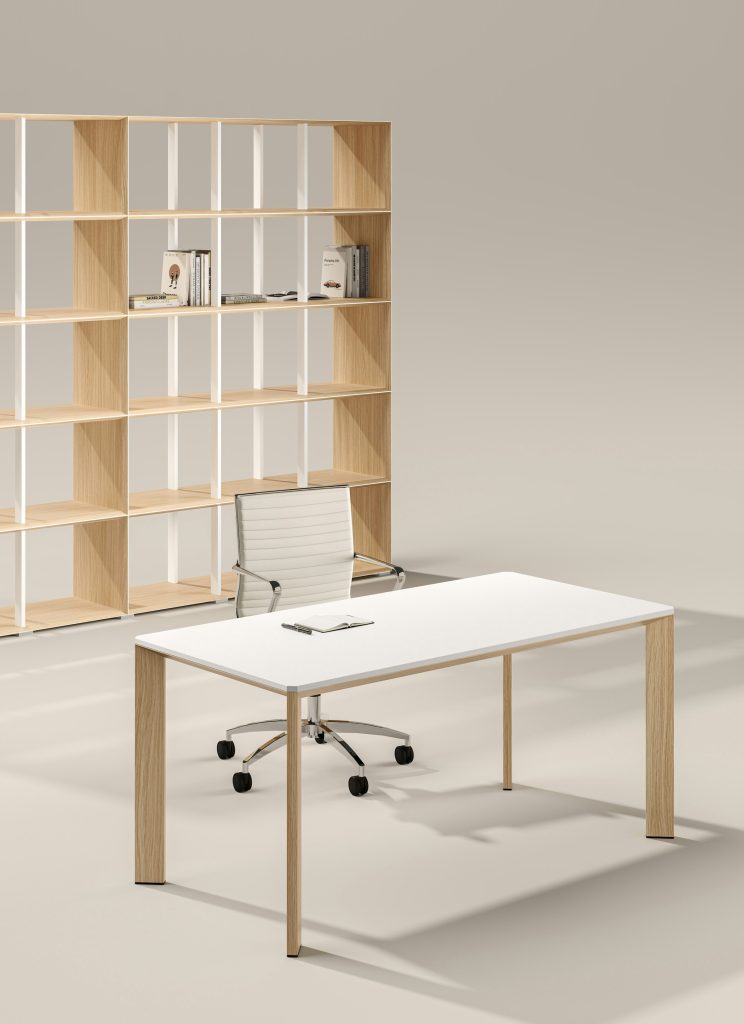
Park Associati, the Milan-based studio founded by Filippo Pagliani and Michele Rossi, brings to Alis its distinctive design approach, characterized by formal rigor, proportion, and material quality. The system draws inspiration from an architectural language made of clear volumes, sculpted surfaces, and balanced relationships between solids and voids. Clean geometries and the distinctive 30° cut of the tabletops become defining elements, generating plays of light and visual depth. Alis does not seek to dominate space, but rather to engage in dialogue with it, adapting to different contexts: open-plan offices, executive rooms, meeting spaces, and hybrid environments.
Flexibility and Modularity for Contemporary Work
One of the project’s key strengths lies in its modular structure, designed to respond to the constantly evolving needs of working environments.
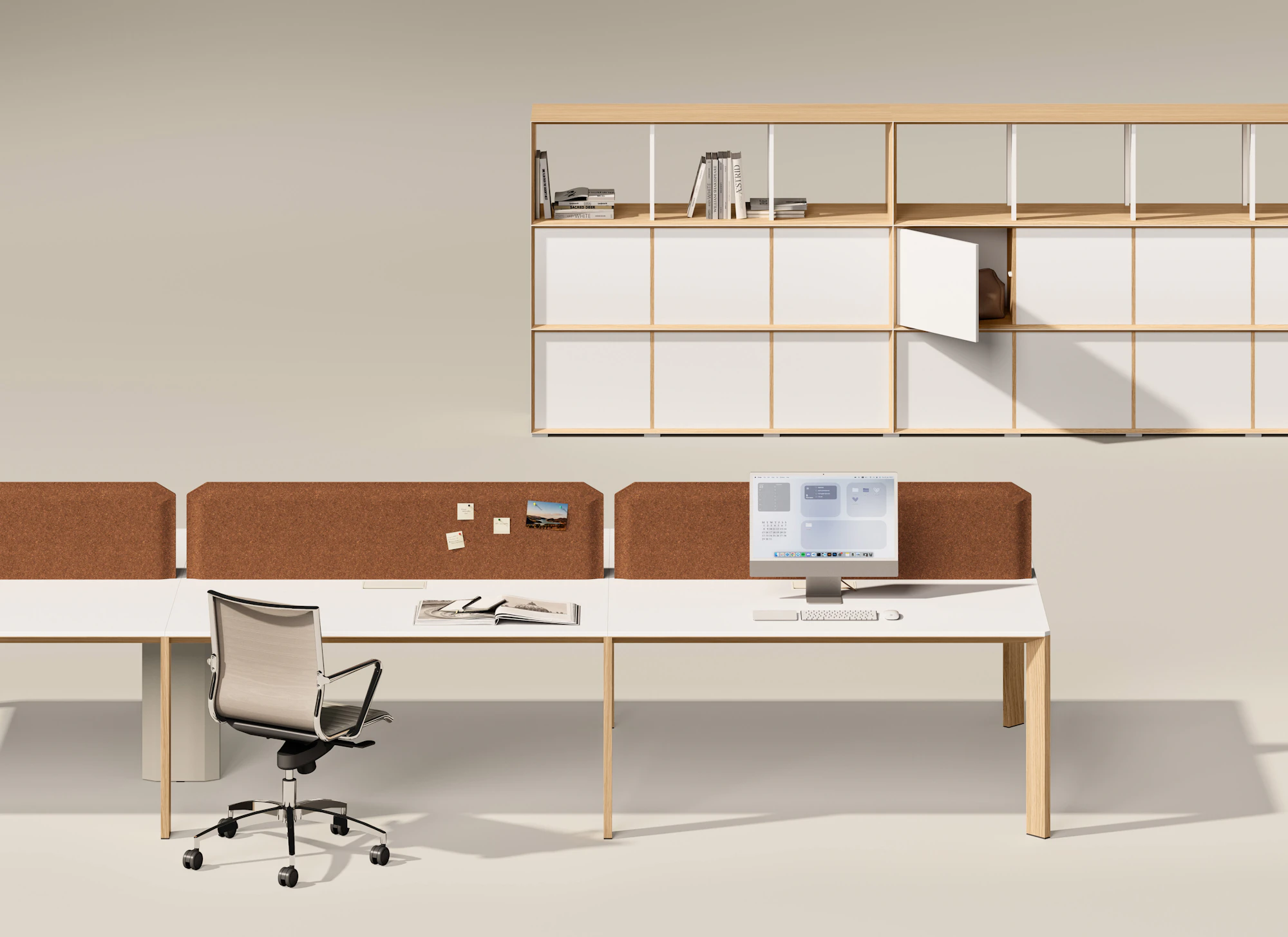
The collection includes:
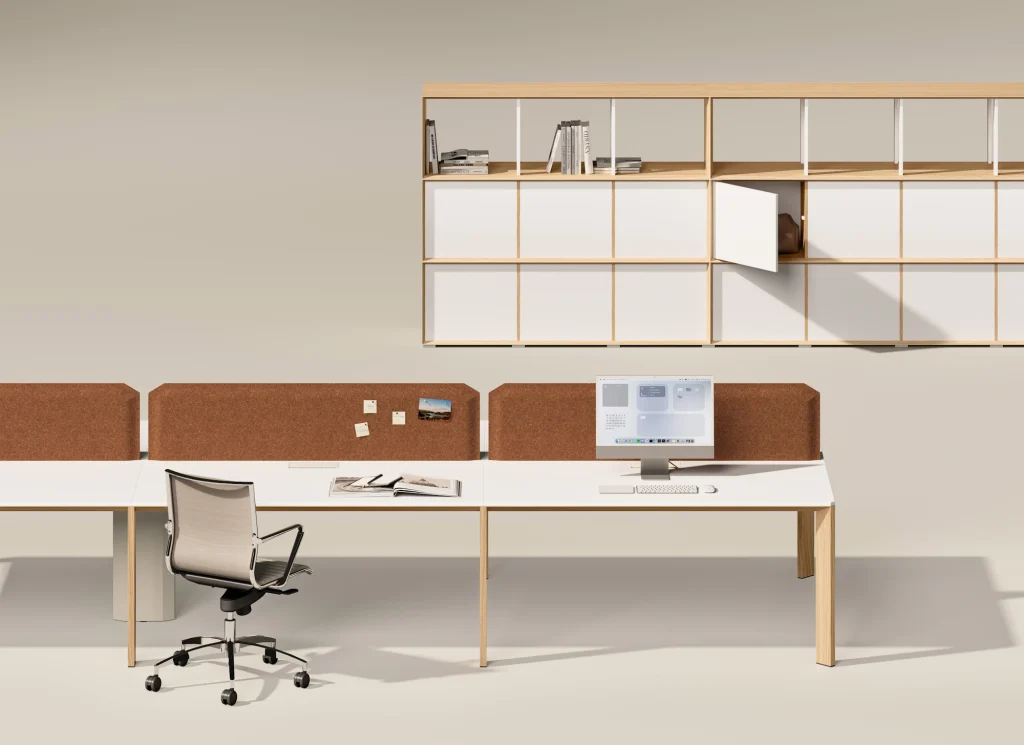
- operational and executive desks,
- meeting tables,
- bench workstations,
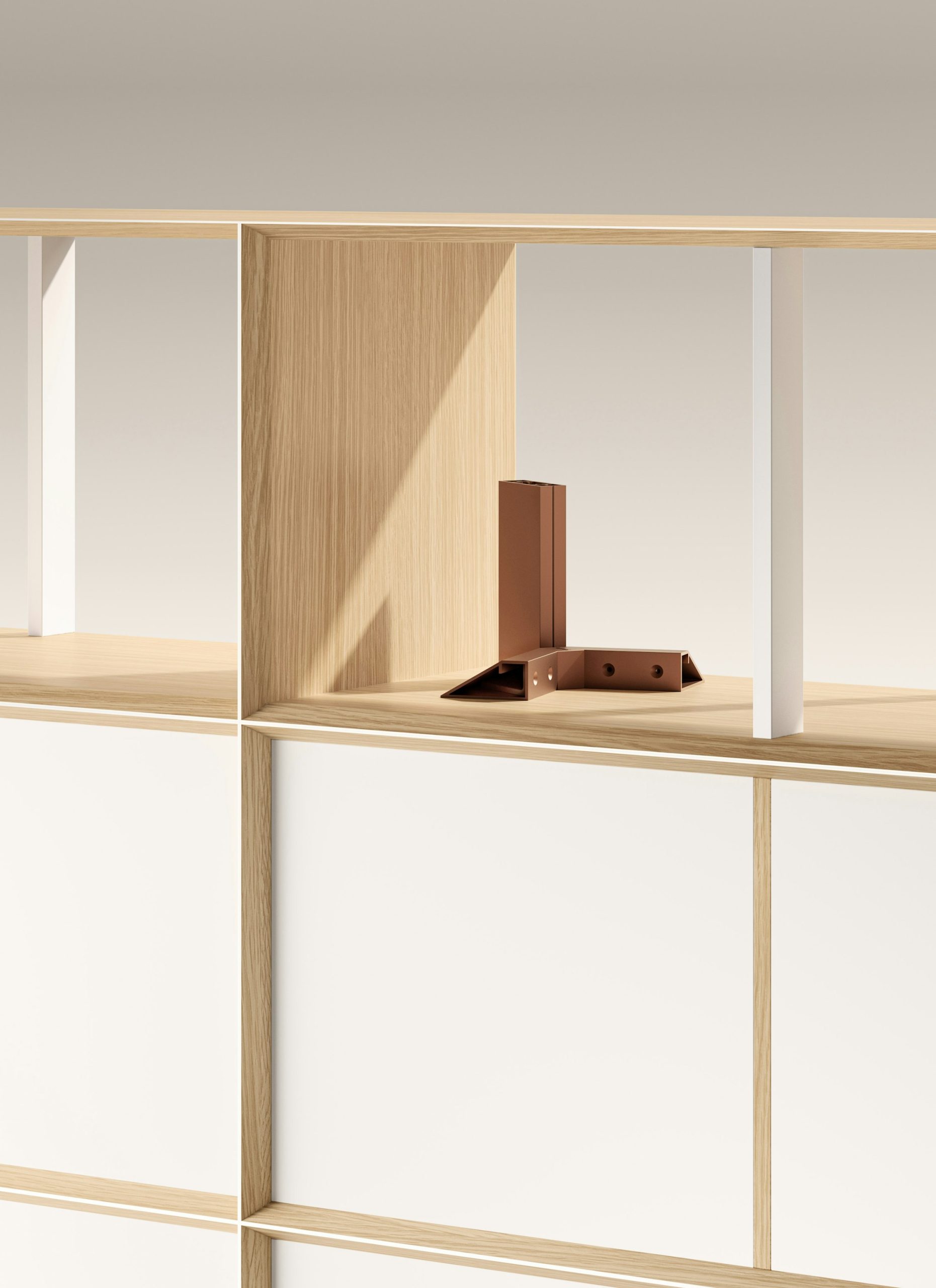
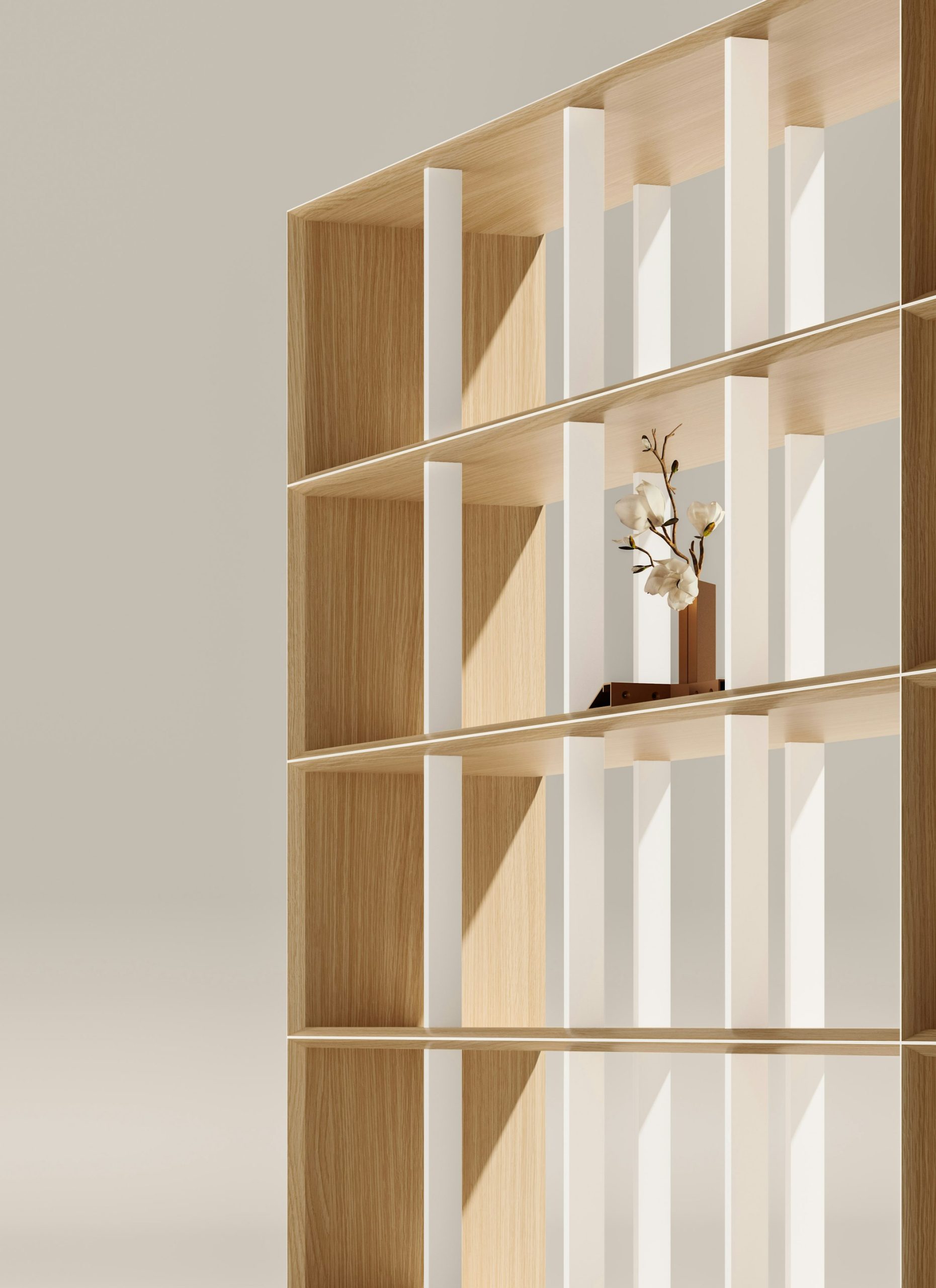
- bookcases and storage units,
- partition systems and accessories.
This articulation allows for dynamic spatial configurations, supporting both individual and collaborative work. Integrated cable management, acoustic panels, and privacy elements contribute to improved visual and acoustic comfort.
Alis thus interprets the office as a flexible ecosystem, capable of adapting to hybrid and changing work patterns.
Materials, Details, and Construction Quality
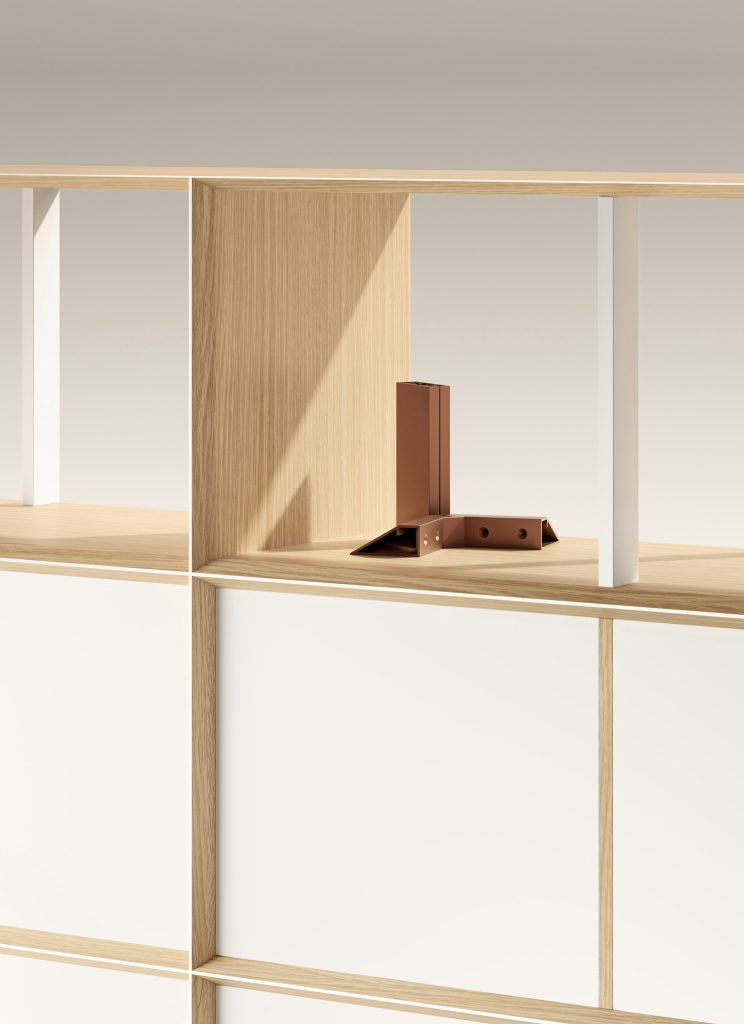
Park Associati’s formal research is reflected in careful attention to detail. Selected materials, finishes, and proportions are calibrated to offer a refined and durable user experience. Wood tabletops, laminated surfaces, metal structures, and concealed joints demonstrate Fantoni’s industrial expertise, translating the design concept into a high-quality product. The result is furniture that communicates solidity and lightness at the same time, ageing gracefully while maintaining its identity over time.
A Sober and Timeless Aesthetic
Visually, Alis stands out for its conscious sobriety. It avoids theatrical effects and passing trends, instead relying on an essential and measured language. Rigorous lines, neutral tones, and controlled surfaces allow the system to integrate easily into different architectural projects, both in corporate and creative contexts. This active neutrality enables Alis to become a true spatial infrastructure, enhancing corporate identity without overshadowing it.
A New Way of Understanding the Workplace
With Alis, Park Associati and Fantoni propose a broader reflection on the role of furniture in work environments. The office is no longer merely a place of productivity, but a space for relationships, well-being, and representation. The project responds to this transformation by integrating:
- functionality,
- comfort,
- aesthetic quality,
- architectural coherence.
Alis thus becomes a design device, capable of supporting new ways of working and contributing to more balanced and sustainable environments. Alis represents a significant example of how industrial design can engage in dialogue with architecture to generate innovative and enduring solutions. Thanks to the collaboration between Park Associati and Fantoni, the system combines formal rigor, flexibility, and attention to detail.
A project that interprets the contemporary workplace not as a mere container of functions, but as a cultural and relational space, in which design becomes a tool for quality of life.